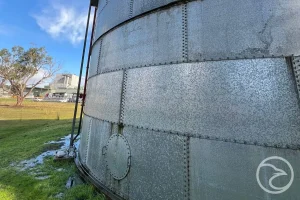
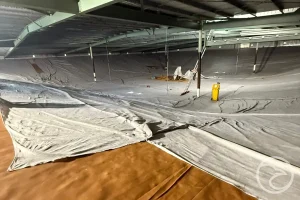
Commercial fire water tanks must remain operational at all times. Even minor liner deterioration can affect water containment, system reliability, and fire protection performance. That is why liner compliance is a critical part of long-term fire system maintenance.
Many facility owners focus on pumps, sprinklers, and pipework. However, the internal tank liner also requires regular assessment. A damaged liner can lead to corrosion, contamination, and water loss long before visible structural problems appear.
Understanding fire water tank liner regulations helps businesses reduce risk and maintain reliable emergency water storage.
Why Fire Tank Liners Must Meet Compliance Standards
Fire water storage tanks support emergency response systems in commercial and industrial facilities. If the liner fails, the tank may no longer hold its required water capacity.
This creates serious operational and safety concerns. Regulations exist to ensure fire tanks remain structurally sound and ready for emergency use.
Most standards focus on:
- Water containment integrity
- Tank condition
- Corrosion prevention
- Inspection schedules
- Maintenance procedures
- Long-term operational reliability
This creates serious operational and safety concerns. Regulations exist to ensure fire tanks remain structurally sound and ready for emergency use. Businesses should also understand broader fire safety water requirements in Australia that influence inspection schedules, maintenance procedures, and long-term operational reliability.
Common Compliance Standards for Fire Water Tanks
Compliance requirements vary depending on location and industry. However, most commercial fire protection systems follow structured inspection and maintenance standards. In Australia, AS1851 outlines routine servicing requirements for fire protection systems. This includes inspection schedules for fire water storage tanks and associated infrastructure.
Industrial facilities may also follow additional engineering or insurance requirements depending on site conditions and operational risks. In the United States, NFPA standards commonly apply to fire water storage systems connected to hydrants or sprinkler networks.
Regardless of location, businesses should ensure that fire tank liners are inspected according to local regulations and manufacturer recommendations.
Why Liner Material Selection Matters
Not all liner materials perform the same under commercial operating conditions. The selected liner must withstand constant water exposure, environmental stress, and structural movement.
Common materials used in fire water tanks include:
- Reinforced PVC
- EPDM rubber
- Polyethylene systems
- Composite liner membranes
Each material offers different benefits depending on the tank environment.
Outdoor tanks often experience:
- UV exposure
- Temperature fluctuations
- Moisture variation
- Wind movement
These conditions can accelerate liner deterioration over time. Businesses comparing different systems often review choosing the right material for a fire water tank liner to better understand long-term durability, environmental resistance, and maintenance requirements. Choosing a durable liner system helps reduce future maintenance requirements and improves long-term reliability.
Inspection Requirements for Fire Water Tank Liners
Routine inspections are one of the most important parts of compliance management. Small liner defects may remain hidden for years before major leaks develop. Regular inspections help identify deterioration early and reduce the risk of structural damage.
During inspections, technicians typically assess:
- Liner seams
- Surface condition
- Corrosion levels
- Water loss
- Structural movement
- Internal contamination
- Signs of material fatigue
Inspection schedules depend on operating conditions, environmental exposure, and regulatory requirements. Facilities exposed to harsh environmental conditions may require more frequent inspections.
Businesses developing maintenance plans often follow recommendations outlined in how often should fire tank liners be inspected? to improve long-term system reliability and reduce deterioration risks.
Common Signs of Liner Deterioration
A liner does not usually fail suddenly. Most systems show gradual warning signs before significant damage occurs.
Common indicators include:
- Wrinkling
- Surface cracking
- Water seepage
- Internal corrosion
- Seam separation
- Unexplained water loss
These problems may appear slowly over time. Ignoring early signs of deterioration often increases repair complexity and operational costs. Facilities noticing these issues should investigate the condition of the liner before structural damage worsens. Many of these warning signs are also discussed in typical tank liner failures.
The Role of Preventive Maintenance
Preventive maintenance helps extend liner lifespan and maintain compliance standards. Waiting for visible leaks usually increases repair costs and downtime. A proactive approach reduces the likelihood of emergency failures.
Preventive maintenance programs commonly include:
- Scheduled inspections
- Internal cleaning
- Corrosion monitoring
- Seam assessments
- Water quality checks
- Condition reporting
This approach improves long-term system reliability and supports audit readiness. Businesses with structured maintenance programs often experience fewer major liner failures over time.
Preventive servicing also helps facilities maintain compliance between formal inspections.
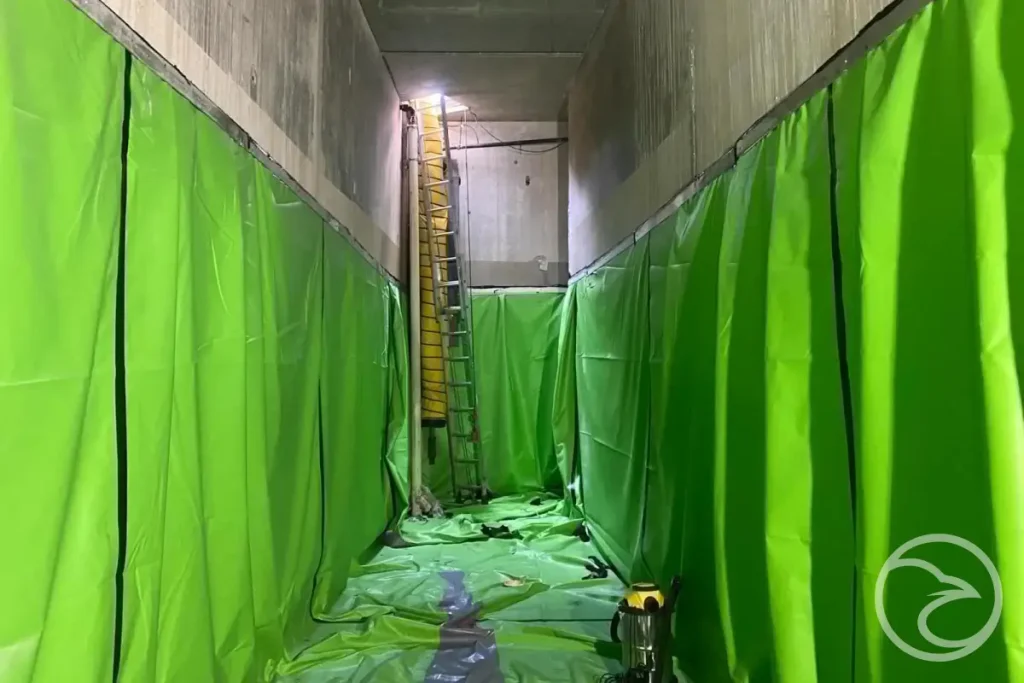
Environmental Conditions can Accelerate Liner Failure
Environmental exposure has a major impact on liner performance. Outdoor fire water tanks experience constant stress from changing weather conditions. Over time, this weakens liner flexibility and seam integrity.
Several factors can accelerate deterioration:
- UV radiation
- Heat exposure
- Humidity
- Chemical contamination
- Water quality issues
- Structural movement
Facilities operating in extreme environments should review liner condition more frequently. Environmental deterioration is one of the leading causes of premature liner aging in commercial tanks.
Documentation is Essential for Compliance
Maintenance records are an important part of fire protection compliance.
Businesses should maintain documentation for:
- Inspection dates
- Repair history
- Maintenance reports
- Material specifications
- Compliance assessments
- Installation records
Accurate documentation supports audits, insurance reviews, and long-term asset management. It also helps maintenance teams identify recurring issues before they become major structural problems.
Facilities with organised maintenance records are generally better prepared for inspections and emergency maintenance planning.
Final Thoughts
Fire water tank liner regulations plays a major role in commercial fire protection reliability. Regular inspections, preventive maintenance, and proper material selection all help reduce operational risk. Small liner defects can develop into serious structural problems if left untreated. That is why ongoing monitoring is essential for long-term tank performance.
Businesses that prioritise compliance planning and preventive maintenance often achieve longer liner lifespan and lower repair costs over time.