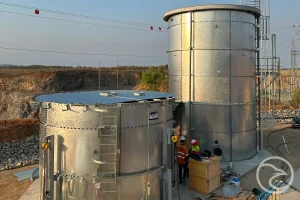
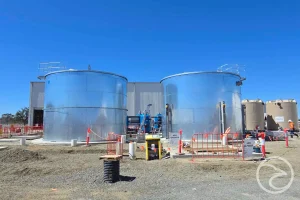
The performance of a fire water tank liner depends heavily on the material used inside the system. In commercial environments, liners must withstand constant water exposure, changing temperatures, structural movement, and environmental stress for many years.
Choosing the wrong liner material can lead to premature deterioration, leaks, corrosion, and expensive repairs. That is why material selection plays an important role in long-term fire system reliability.
Different liner materials offer different levels of durability, flexibility, and resistance to environmental conditions. Understanding these differences helps facility owners choose the most suitable option for their operating environment.
Why Liner Material Selection Matters
Commercial fire water tanks operate under demanding conditions. Internal liners must continuously contain large water volumes while protecting the tank structure from corrosion and moisture damage.
Poor-quality materials often deteriorate faster under environmental stress. Once the liner weakens, the risk of leaks and structural issues increases significantly.
The right liner material helps:
- Extend tank lifespan
- Reduce maintenance costs
- Improve water containment
- Minimise corrosion risks
- Maintain compliance standards
- Improve long-term reliability
Businesses investing in durable commercial fire water tank liners often experience fewer operational issues over time.
PVC Fire Water Tank Liners
PVC is one of the most commonly used liner materials in commercial fire water tanks.
It is widely used because it offers:
- Good flexibility
- Cost efficiency
- Strong water resistance
- Easy installation
- Reliable seam welding
Reinforced PVC liners are especially common in commercial and industrial systems. However, long-term UV exposure and temperature fluctuations may gradually weaken lower-grade PVC materials. Outdoor tanks often require reinforced systems with additional protective properties.
PVC liners are commonly selected for moderate operating environments where flexibility and affordability are important.
EPDM Rubber Liners
EPDM rubber liners are known for their flexibility and weather resistance.
This material performs well in environments exposed to:
- UV radiation
- Temperature changes
- Moisture variation
- Harsh outdoor conditions
EPDM remains flexible for long periods, even under extreme weather exposure. The material also resists cracking better than some lower-grade alternatives.
Because of its durability, EPDM is often used in large outdoor fire water storage systems where environmental stress is a major concern. Its longer lifespan may also reduce future maintenance requirements.
Polyethylene Tank Liners
Polyethylene liners are commonly used in water containment applications requiring strong chemical resistance.
These liners offer:
- Good moisture protection
- Chemical resistance
- Strong puncture resistance
- Lightweight installation
However, polyethylene systems are generally less flexible than rubber-based materials. In tanks exposed to structural movement or shifting foundations, reduced flexibility may increase stress on seams over time.
Proper installation is important to maintain long-term performance.
Reinforced Composite Liners
Some commercial tanks use reinforced composite liner systems designed for demanding industrial environments.
These systems combine multiple material layers to improve:
- Structural strength
- Tear resistance
- UV stability
- Long-term durability
Composite liners are often selected for large commercial facilities where operational reliability is critical. Although they usually involve higher upfront costs, they may reduce long-term maintenance and replacement expenses.

Environmental Conditions Affect Material Performance
Environmental exposure plays a major role in liner lifespan. Outdoor fire water tanks constantly experience changing conditions that stress liner materials over time.
Important environmental factors include:
- UV exposure
- Heat
- Humidity
- Rainfall
- Water quality
- Structural movement
Some materials perform better than others under these conditions. For example, EPDM often performs well in high-UV environments, while reinforced PVC may offer better flexibility in certain installations.
Choosing a liner without considering environmental exposure may lead to premature deterioration.
Material Quality Influences Maintenance Costs
Lower-quality liner materials may reduce upfront installation costs, but they often increase long-term maintenance expenses.
Poor material performance can result in:
- Cracking
- Seam separation
- Water leakage
- Surface deterioration
- Corrosion development
Frequent repairs may eventually become more expensive than installing a higher-quality liner from the beginning. Facilities that prioritise durable materials usually experience fewer emergency repairs and longer inspection intervals.
This helps improve long-term operational efficiency.
Why Professional Inspections Still Matter
Even high-quality liners require routine inspections. Over time, environmental stress and structural movement affect all liner systems to some degree.
Regular inspections help identify:
- Surface wear
- Seam weakness
- Material fatigue
- Water seepage
- Corrosion risks
Facilities following recommendations from how often should fire tank liners be inspected? are often better prepared to identify early deterioration and maintain long-term system reliability.
Material Lifespan Varies Between Systems
No liner material lasts forever.
The lifespan of a fire water tank liner depends on several factors, including:
- Material quality
- Installation quality
- Environmental exposure
- Water conditions
- Maintenance frequency
Some liners may remain operational for decades with proper maintenance. Others deteriorate much faster under harsh conditions. Understanding expected material lifespan helps businesses plan future maintenance and replacement budgets more accurately while recognising early signs your fire tank liner is reaching the end of its service life.
Signs that a Liner Material is Deteriorating
Several warning signs may indicate that liner materials are beginning to fail.
These include:
- Surface cracking
- Fading
- Wrinkling
- Seam separation
- Reduced flexibility
- Water seepage
- Internal corrosion
Many of these deterioration patterns develop gradually over time. Several common causes of liner deterioration are explained in how fire tank liners become damaged over time.
Early intervention usually reduces repair complexity and long-term maintenance costs.
Final Thoughts
Selecting the right fire water tank liner material is essential for long-term system reliability. Different materials offer different levels of durability, flexibility, and environmental resistance. Commercial facilities should consider operating conditions, environmental exposure, and maintenance requirements before selecting a liner system.
High-quality materials often reduce long-term repair costs while improving structural protection and water containment performance. Regular inspections and preventive maintenance also help extend liner lifespan and improve fire protection reliability over time.