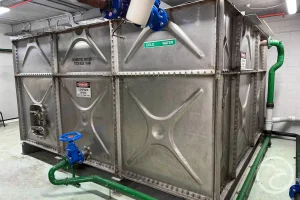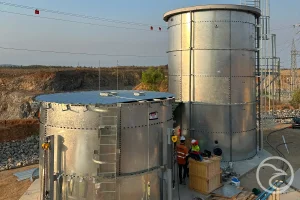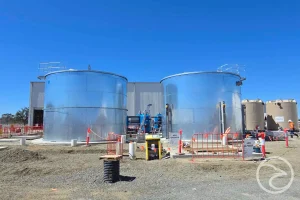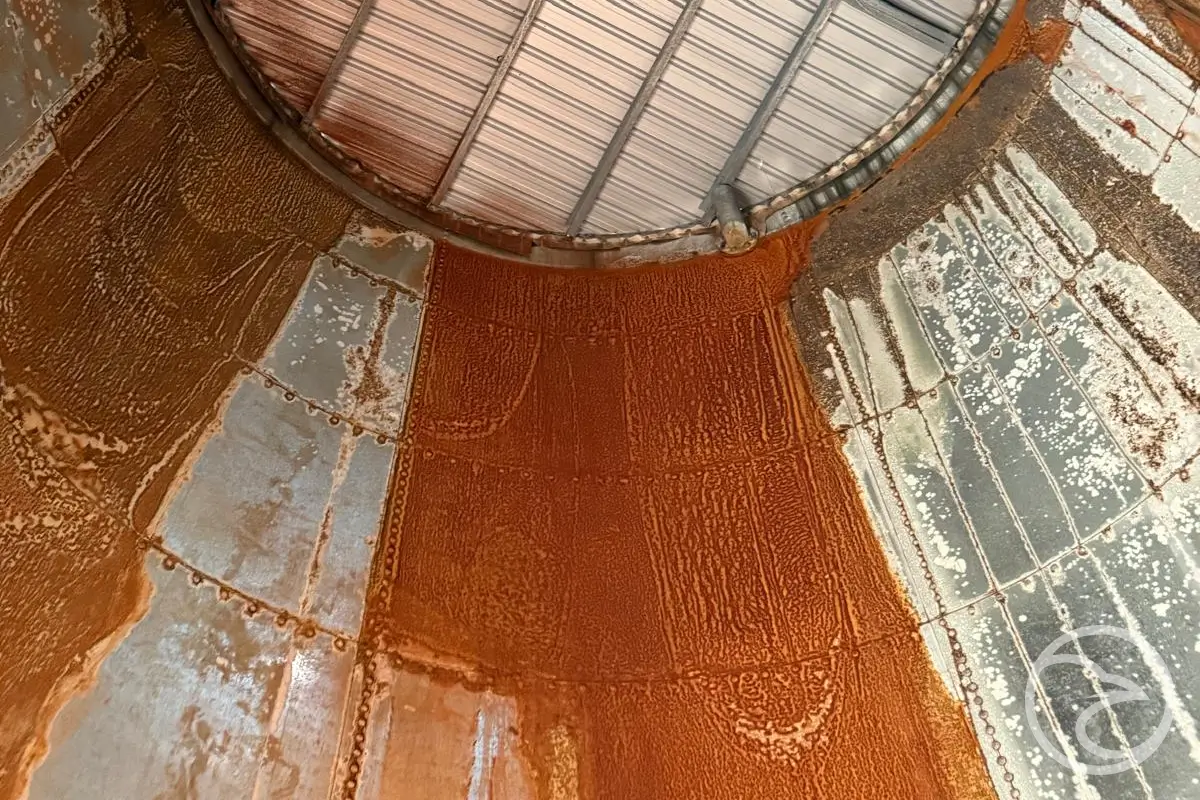
Fire water tanks provide stored water for fire protection systems when it is required. Like any storage asset, a fire tank can develop defects during its service life. Leaks, corrosion, damaged liners, deteriorated seals, or structural problems can affect tank condition.
Some defects develop gradually. Others become visible through sudden leakage or changes in the tank structure. Fire tank repairs address identified defects and restore affected components. They are different from routine maintenance, which focuses on preserving the tank’s ongoing condition.
Inspections also have a different purpose. They identify defects and provide information that can determine whether repairs are required. Understanding these differences helps building owners and facility managers respond appropriately when fire tank problems appear.
Why Fire Tank Repairs Matter
A fire tank is not simply a general-purpose water storage tank. It forms part of a wider fire protection system. The tank must remain capable of retaining the water required for its intended system.
A leaking or deteriorated tank can therefore require more attention than an ordinary storage tank. However, not every visible defect has the same significance. A minor seal problem is different from extensive structural corrosion.
Likewise, surface deterioration does not automatically mean the complete tank requires replacement. The condition, cause, location, and extent of the defect should determine the response.
This assessment helps distinguish between maintenance, localised repair, major refurbishment, and replacement. For professional assessment and corrective work, explore our fire tank repairs services for commercial and industrial fire water storage systems.
What Can Cause Damage to a Fire Water Tank?
Fire tanks operate for long periods and can experience changing environmental conditions. Different tank materials also develop different types of deterioration.
Common contributing factors include:
- ageing materials;
- corrosion;
- water exposure;
- deteriorated seals;
- damaged liners;
- movement at panel joints;
- environmental exposure;
- damaged fittings;
- deteriorated internal components;
- accidental impact;
- inappropriate modifications;
- previous unsuccessful repairs.
The original tank design also affects the types of defects that may develop. Steel, GRP, concrete, and lined tanks do not deteriorate in identical ways.
The surrounding environment can also influence deterioration. Coastal conditions, humidity, chemicals, and outdoor exposure can affect individual tank components.
Understanding the cause is therefore an important part of planning a successful repair.
Signs a Fire Tank May need Repair
Some fire tank problems become visible during normal site operations. Others are identified during scheduled inspections or maintenance activities.
Common warning signs include:
- visible water leakage;
- recurring damp areas;
- unexplained water loss;
- rust staining;
- significant corrosion;
- damaged panel joints;
- deteriorated seals;
- liner tears or punctures;
- damaged fittings;
- visible panel damage;
- unusual bulging;
- tank deformation;
- damaged roof components;
- deteriorated internal supports;
- repeated failure of previous repairs.
A visible symptom does not always identify the actual source. Water appearing at one joint may originate from another location.
Corrosion can also extend beyond the area visible from outside. The cause and extent of damage should therefore be established before repair work begins.
Common Fire Tank Repairs
Fire tank repair methods depend on tank construction and the defect being addressed. A suitable repair should target the underlying problem rather than only its visible symptom.
Leak Repairs
Leakage is one of the clearest signs that a fire tank requires attention.
Leaks can develop around:
- panel joints;
- seals;
- pipe penetrations;
- fittings;
- outlets;
- flanges;
- liner seams;
- damaged tank surfaces.
Finding the source is the first step. Simply sealing the visible wet area may not resolve the actual problem. For example, water can travel along a joint before becoming visible elsewhere.
Recurring leakage can also indicate movement or deterioration around the affected area. Repair planning should therefore consider why the leak developed.
To understand how leaks are identified and traced to their source, read our fire tank leaks detection guide.
Joint and Seal Repairs
Sectional fire tanks contain multiple joints between individual panels. These joints rely on sealing systems to maintain watertight containment. Seal materials can deteriorate with age and environmental exposure.
Movement can also affect joint performance. Depending on the condition, repairs may involve replacing or restoring the affected sealing system.
The surrounding panels and connections should also be considered. Repeated seal failure can indicate a problem beyond the seal itself.
Fire Tank Liner Repairs
Many fire water tanks use internal liners to provide watertight containment. Liners can develop localised damage during their service life.
Potential problems include:
- punctures;
- tears;
- damaged seams;
- deterioration around penetrations;
- local material damage;
- failed previous repairs.
Some localised liner defects can be repaired. However, the remaining liner condition should also be considered. Repeated defects across an ageing liner may indicate a wider problem.
The structure behind the liner can also require assessment. Repairing the liner alone may not address deterioration within the underlying tank.
For a closer look at identifying liner damage and deterioration, read our fire water tank liner inspection explained guide.
Corrosion Repairs
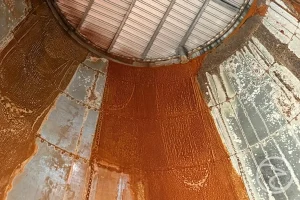
Corrosion is particularly relevant to steel fire tanks and metallic tank components. Its severity can vary considerably. Light surface corrosion differs from significant material loss.
Repair requirements therefore depend on the extent and location of deterioration.
Corrosion may affect:
- steel panels;
- bolts;
- fasteners;
- roof components;
- internal supports;
- brackets;
- pipework connections.
The underlying cause should also be considered. Repeatedly treating surface corrosion without addressing its source can lead to recurring problems.
Significant corrosion affecting structural components requires appropriate technical assessment. Learn about common causes, warning signs, and progression of corrosion in our fire tank corrosion guide.
Panel Repairs
Fire tank panels can develop damage from corrosion, impact, movement, or other causes. The repair method depends heavily on panel material. Steel panels and GRP panels require different repair approaches.
Localised defects may sometimes be repairable. More extensive deterioration can require panel replacement or larger refurbishment work.
Panel deformation deserves particular attention. It may indicate loading, support, connection, or structural issues requiring further investigation.
Roof Repairs
A fire tank roof protects the stored water and internal tank environment. Roof components can deteriorate through weather exposure, corrosion, or physical damage.
Common problems may include damaged sheets, loose components, deteriorated fixings, or access-area defects. Roof repairs should restore appropriate protection without compromising safe tank access.
The condition of supporting components should also be considered.
Internal Component Repairs
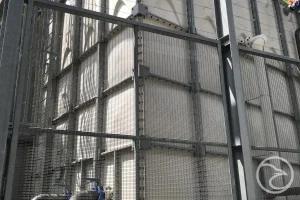
Sectional tanks can contain internal structural supports. These components help maintain the tank’s designed shape under water pressure.
Depending on the tank design, internal components can include braces, tie rods, brackets, and fasteners. Corrosion or damage to these components can have structural significance.
They should therefore not be treated as purely cosmetic defects. The affected component and surrounding connections should be assessed before repair or replacement.
Pipe Connection and Fitting Repairs
Inlets, outlets, overflows, drains, and other penetrations create interfaces with the tank structure. These locations can sometimes develop leaks.
Possible causes include deteriorated seals, damaged fittings, movement, or external pipe loads. Repairing the connection requires identifying which component has failed.
The tank panel may remain serviceable even when the fitting requires replacement.
Fire Tank Repairs by Tank Type
Different fire tank materials require different repair strategies. Understanding the tank construction is therefore essential before work begins.
Steel Fire Tank Repairs
Steel fire tanks can experience corrosion during long-term service. The extent depends on coatings, environmental conditions, water exposure, and tank design.
Typical repair areas can include:
- corroded panels;
- deteriorated bolts;
- damaged coatings;
- leaking joints;
- roof components;
- internal structural elements.
Localised corrosion may require a different response from extensive material loss. Structural condition should guide the repair scope.
GRP Fire Tank Repairs
GRP does not rust like steel. However, GRP fire tanks still contain joints, seals, fittings, and structural components.
Potential repair areas include:
- panel joints;
- damaged seals;
- local panel damage;
- fittings;
- internal supports;
- roof components;
- pipe connections.
Metallic components within a GRP tank can also experience corrosion. Repairs should therefore consider the complete tank system rather than only the GRP panels.
Lined Fire Tank Repairs
Lined tanks depend on the liner to maintain watertight containment. Damage can occur around seams, penetrations, corners, or other exposed areas. A localised liner repair may resolve an isolated defect.
However, widespread deterioration can require a broader assessment. The condition behind the liner also matters.
Hidden corrosion or structural deterioration should not be ignored because the liner remains repairable.
Minor Repairs vs Structural Fire Tank Repairs
Not every fire tank repair has the same complexity. Some defects affect individual components without compromising the wider tank structure. Examples may include a damaged fitting or localised seal deterioration.
Other defects can involve structural parts of the tank.
These may include:
- significant panel deterioration;
- extensive corrosion;
- panel deformation;
- damaged structural supports;
- serious connection deterioration;
- widespread structural movement.
The physical size of a defect does not always indicate its significance. A small visible leak can sometimes result from movement elsewhere in the tank.
Likewise, a large surface area of cosmetic deterioration may not represent structural failure. Condition assessment should determine the appropriate response.
How Fire Tank Inspections Lead to Repairs
Fire tank inspections and repairs serve different purposes. An inspection identifies tank condition and records observed defects. A repair addresses a confirmed problem.
The process can generally be understood as:
Inspection → Defect Identification → Assessment → Repair Scope → Repair → Verification
Inspection findings may identify corrosion, leakage, damaged components, or other deterioration. Those findings help determine whether corrective work is required. They can also help establish the priority and extent of repairs.
Not every inspection finding necessarily leads to repair. Some conditions may only require monitoring or routine maintenance.
Others can require further investigation before the correct repair method is selected. This distinction prevents repair decisions from being based only on assumptions.
Professional fire tank inspections can identify leaks, corrosion, liner damage, and structural defects before appropriate repairs are planned.
Does Every Fire Tank Defect Require Immediate Repair?
Different defects require different responses. The appropriate action depends on severity, location, progression, and system requirements.
Possible outcomes can include:
- continued monitoring;
- routine maintenance;
- planned corrective work;
- localised repair;
- further technical assessment;
- major refurbishment;
- replacement.
The decision should reflect the actual condition of the tank. A minor defect should not automatically be treated as complete tank failure.
Likewise, an apparently small problem should not be dismissed without understanding its cause. Fire protection requirements and site-specific obligations must also be considered.
What Happens During a Fire Tank Repair?
Fire tank repairs should follow a planned process. The exact steps depend on tank construction, defect type, and site conditions.
1. Review Inspection Findings
Existing inspection reports provide useful information about known defects. Previous maintenance and repair records should also be reviewed.
This can reveal recurring problems or changes in condition.
2. Assess the Defect
The affected area should be examined before determining the repair method. The assessment should establish the type and extent of deterioration.
Where possible, the underlying cause should also be identified.
3. Determine the Repair Scope
The repair scope should reflect the actual defect. A local seal problem may require limited work.
Structural deterioration can require a much larger repair programme. The required materials should also suit the existing tank construction.
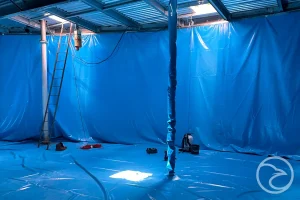
4. Plan Tank Isolation or Drainage
Some repairs may require the tank to be isolated or partially drained. Other work may require complete drainage.
This needs careful planning because the tank supports a fire protection system. Site fire protection arrangements must be considered before removing equipment from normal service.
5. Prepare the Repair Area
The damaged area may require cleaning or other preparation. Preparation requirements depend on the material and selected repair method.
Correct preparation can be essential for successful repair performance.
6. Complete the Repair
The repair should address the identified defect using an appropriate method. This may involve sealing, component replacement, liner work, panel work, or corrosion treatment.
Major structural repairs require suitable expertise and planning.
7. Check the Repaired Area
Completed work should be checked before the repair is considered finished. The method depends on the repair performed.
Leaks, connections, and replaced components may require specific verification.
8. Return the Tank to Service
The tank can then be returned to service according to applicable site procedures. Repaired areas may require further observation after refilling.
All completed work should also be documented.
Can a Fire Tank Be Repaired without Full Replacement?
Many fire tank problems do not automatically require complete replacement. Localised defects can sometimes be repaired while retaining the existing tank. Examples may include selected seal, fitting, liner, or component problems.
The decision depends on overall tank condition. A repair becomes less straightforward when deterioration is widespread.
Repeated failures can also indicate that local repairs are no longer addressing the wider problem.
The remaining condition of panels, supports, joints, and other components should therefore be considered. Repairability is ultimately a condition-based decision.
Fire Tank Repair or Replacement?
Choosing between repair and replacement requires more than comparing initial costs. The existing tank condition is the main consideration.
Important factors include:
- extent of deterioration;
- structural condition;
- number of defects;
- location of defects;
- recurring leakage;
- corrosion severity;
- liner condition;
- repair history;
- tank age;
- accessibility;
- previous modifications;
- expected future service.
A tank with one localised defect presents a different situation from a tank with widespread deterioration. Previous repairs can also provide useful evidence.
Repeated work on the same areas may indicate an unresolved underlying problem. A proper condition assessment helps establish whether repair remains practical.
Learn when refurbishment is more practical than complete replacement in our fire tank refurbishment vs replacement guide.
Why Repeated Fire Tank Leaks Need Investigation
Recurring leaks should not simply receive the same repair repeatedly. Repeated failure can indicate an unresolved cause.
Possible contributing factors include:
- joint movement;
- deteriorated sealing systems;
- panel movement;
- connection loads;
- damaged fittings;
- structural deterioration;
- unsuitable previous repairs.
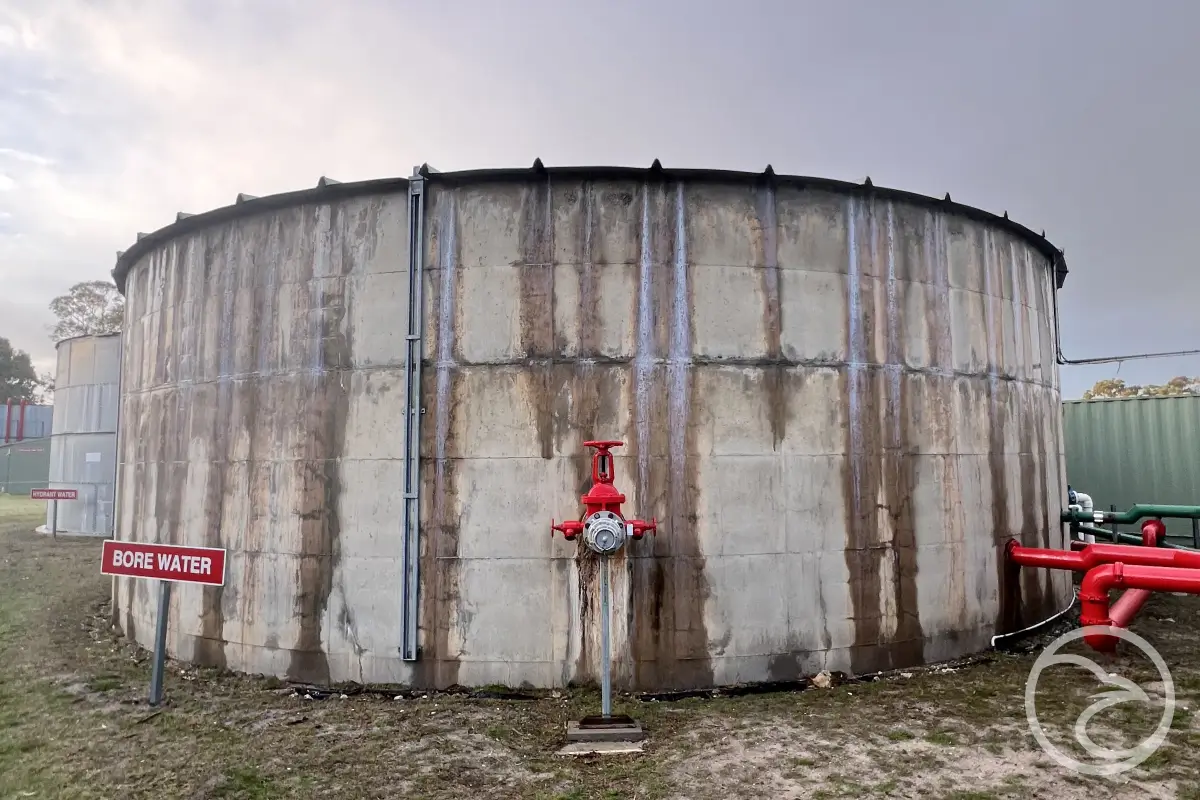
Water can also travel before appearing outside the tank. The visible wet area may therefore be different from the actual leak source.
Identifying the cause helps reduce repeated repair cycles. It can also reveal problems that are not visible during basic external observation.
Fire Tank Repairs and AS 1851
AS 1851:2012 covers routine servicing of fire protection systems and equipment in Australia. Routine servicing and physical tank repair should not be treated as the same activity. Servicing and inspection activities can identify defects requiring corrective work.
The required repair then depends on the defect, tank construction, system design, and applicable requirements. Other standards may also be relevant to the wider fire protection system.
For example, AS 2419.1:2021 covers the design, installation, commissioning, and testing of fire hydrant installations. Applicable requirements can also vary with the system, building, jurisdiction, and original installation.
Australian Standards are generally voluntary unless referenced through legislation or another enforceable instrument. Repair planning should therefore consider the requirements applying to the particular site and fire protection system.
For more information on routine servicing obligations and relevant fire protection requirements, read our AS 1851 Compliance Requirements guide.
What Happens After Fire Tank Repairs?
Finishing the physical repair is not necessarily the final step. The affected area should be checked to confirm that the work addressed the identified problem.
Depending on the repair, follow-up activities may include:
- visual verification;
- checking repaired joints;
- leak observation;
- tank refilling;
- monitoring water levels;
- checking replaced components;
- follow-up inspection;
- updating maintenance records;
- recording repair materials and methods.
Documentation is particularly useful for recurring defects. Future inspectors can compare repaired areas with previous records.
This makes it easier to identify whether the condition remains stable.
Can Preventive Maintenance Reduce Future Fire Tank Repairs?
Preventive maintenance cannot eliminate every possible defect. However, it can help identify developing issues before they become larger problems.
Routine attention may identify:
- early seal deterioration;
- minor leakage;
- corrosion;
- damaged fittings;
- loose components;
- roof deterioration;
- changes around connections.
Inspections provide additional information about tank condition. Together, inspection and maintenance can support more planned repair decisions.
This is preferable to discovering every problem after visible failure occurs. Maintenance records also help identify recurring areas requiring closer attention.
When is Professional Fire Tank Repair Needed?
Some minor issues may appear straightforward from outside the tank. However, professional assessment becomes important when the cause or extent is uncertain.
Specialist attention may be required for:
- recurring leaks;
- significant corrosion;
- structural panel damage;
- tank deformation;
- damaged internal supports;
- liner deterioration;
- repeated joint failure;
- widespread component deterioration;
- defects affecting multiple tank areas.
Structural work requires particular care. Repair methods should be compatible with the original tank materials and construction.
Fire system requirements must also be considered when planning tank isolation or major works.
Fire Tank Repair Checklist
A structured approach can help prevent important steps from being missed.
Before and during fire tank repair, consider:
- Review existing inspection findings
- Identify the visible defect
- Establish the likely cause
- Determine the extent of damage
- Check surrounding components
- Confirm the repair scope
- Consider fire protection arrangements
- Plan isolation or drainage where required
- Use materials suitable for the tank
- Complete the required repair
- Check the repaired area
- Monitor for recurring leakage
- Document completed work
- Schedule follow-up assessment where required
The exact process should reflect the tank type and site requirements.
Conclusion
Fire tank repairs should address the cause of a defect rather than only the visible symptom. Leaks, corrosion, damaged liners, failed joints, and structural deterioration require different repair approaches. The correct response depends on the tank material, defect severity, and overall condition.
Inspections provide important information for identifying problems and defining appropriate repair work. Some defects can be resolved through localised repairs. More extensive deterioration may require major refurbishment or tank replacement.
Completed repairs should also be verified and documented. This creates a clear condition history and helps identify recurring problems during future servicing.
A planned, condition-based repair approach supports reliable fire water storage throughout the tank’s service life.