GRP panel water tanks are known for durability, corrosion resistance, and relatively low maintenance requirements. However, low maintenance does not mean maintenance-free.
A GRP tank includes panels, joints, seals, fasteners, supports, fittings, and access components. Each part can change with age and use. Operating conditions can also affect how quickly individual components deteriorate.
Regular maintenance helps address minor problems before they develop into leaks or larger defects. Inspections also play an important role. They identify tank conditions and help determine when maintenance or further action is required.
This guide explains what GRP panel water tank maintenance includes, when it may be needed, and how inspections support maintenance planning.
Why do GRP Panel Water Tanks Need Maintenance?
GRP itself offers excellent resistance to corrosion and does not rust like conventional steel. This is one reason GRP panel tanks are widely used for water storage.
However, the complete tank contains more than GRP panels.
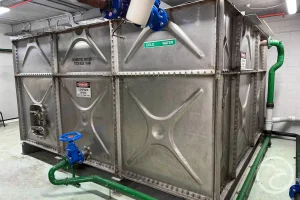
A typical sectional tank may include:
- moulded GRP panels;
- panel joints and seals;
- bolts and fasteners;
- internal supports;
- roof components;
- access hatches;
- ladders;
- inlets and outlets;
- valves and fittings.
These components do not necessarily age at the same rate. Seals can deteriorate while the surrounding panels remain in good condition. Metal components may also experience corrosion in demanding environments.
Sediment can accumulate even when the tank structure remains completely serviceable. Maintenance therefore focuses on preserving the performance of the entire tank system.
For durable and low-maintenance water storage, explore our GRP panel water tanks for commercial and industrial applications.
What does GRP Panel Water Tank Maintenance Include?
Maintenance requirements depend on tank condition, application, age, and operating environment. Some tasks are preventive. Others respond to issues identified during inspections or routine operation.
Tank Cleaning and Sediment Removal
Sediment can gradually accumulate at the bottom of a water storage tank. The amount depends on incoming water quality, tank use, and system conditions. Cleaning removes accumulated sediment and other unwanted material from accessible internal surfaces.
The required cleaning frequency varies between applications. Cleaning also provides an opportunity to observe areas normally hidden beneath stored water. However, cleaning and structural inspection are not the same process.
Cleaning addresses tank hygiene and accumulated material. Inspection assesses the condition of the tank and its components.
Panel Joint and Seal Maintenance
GRP panel tanks contain numerous joints between individual panels. These joints rely on appropriate sealing systems to maintain watertight containment.
Seals can change with age, movement, temperature, and operating conditions.
Potential problems may include:
- seal deterioration;
- localised leakage;
- damaged joint material;
- movement around connections;
- previous repairs beginning to fail.
A small leak around a joint should not simply be ignored. Its cause should be identified before deciding on appropriate maintenance.
The panel itself may remain serviceable while the sealing system requires attention.
Bolts and Fasteners
Bolts and fasteners form an important part of sectional tank construction. Their condition can affect both joints and structural connections. Maintenance may involve checking accessible fasteners for visible deterioration or other identified issues.
Corrosion is particularly important where metallic components experience continuous moisture exposure. The surrounding environment can also influence deterioration.
Coastal, humid, and industrial environments may create more demanding conditions for exposed metal components. Fastener problems should be assessed within the complete tank structure.
Internal Supports
Large GRP panel tanks may contain internal structural components. These components help the tank withstand water pressure and maintain its designed shape. Their material and configuration depend on the tank system.
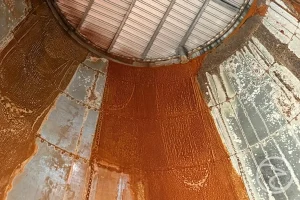
Internal components may require attention when deterioration is identified. Potential concerns can include corrosion, damaged protective surfaces, loose connections, or visible structural changes.
Problems with structural supports require proper assessment. They should not be treated as simple cosmetic maintenance.
Inlets, Outlets and Pipe Connections
Pipe connections create important interfaces between the tank and the wider water system. Movement or deterioration around these areas can contribute to leakage.
Maintenance should consider accessible:
- inlet connections;
- outlets;
- overflows;
- drains;
- valves;
- flanges;
- associated seals.
External pipe loads can also affect connections. A leaking connection does not necessarily mean the GRP panel has failed.
The source should be identified before repairs begin.
Roof and Access Components
The roof protects the stored water and internal tank environment. Access components also need to remain secure and functional. Maintenance may include checking hatches, covers, vents, ladders, and related components.
Damaged access covers can allow unwanted material to enter the tank. Loose or deteriorated components may also create safety concerns.
These areas should therefore form part of the wider maintenance programme.
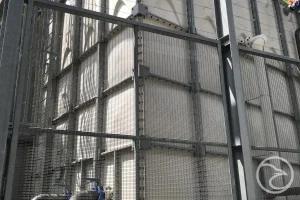
External Tank Condition
Routine maintenance should also consider the environment surrounding the tank. Water around the base can indicate leakage or another drainage issue.
Visible changes to panels should also receive attention. These may include unusual movement, surface damage, or deformation.
The tank surroundings should remain suitable for safe access and ongoing observation.
For professional servicing and ongoing asset care, explore our tank maintenance services for commercial and industrial water storage systems.
Signs a GRP Panel Water Tank may Need Maintenance
Maintenance should not depend only on a fixed calendar. Changes in tank condition can indicate that attention is required sooner.
Common signs include:
- water around panel joints;
- recurring damp areas;
- visible seal deterioration;
- leaking pipe connections;
- damaged fittings;
- corroded metallic components;
- sediment accumulation;
- damaged roof components;
- loose access components;
- unusual panel movement;
- visible panel damage;
- recurring leaks after previous work.
Some problems are obvious during normal operation. Others may only become visible during cleaning or inspection. A visible symptom also does not always identify the underlying cause.
For example, water near a panel joint could originate from another connection above it. Correct diagnosis should come before corrective maintenance.
How Often Should GRP Panel Water Tanks be Maintained?
There is no useful single maintenance interval for every GRP panel water tank. Different tanks operate under very different conditions.
Maintenance requirements can depend on:
- tank application;
- stored water quality;
- tank age;
- operating environment;
- tank configuration;
- component materials;
- previous inspection findings;
- maintenance history;
- manufacturer recommendations.
A tank in a controlled indoor environment may experience different conditions from an outdoor industrial tank. Water quality can also influence cleaning and internal maintenance requirements.
Previous problems are another important consideration. A history of recurring leakage may justify closer monitoring than a tank without previous defects.
Maintenance planning should therefore combine scheduled activities with actual tank condition. For more information on compliance requirements, see our Australian Regulations and Standards for GRP water storage guide.
Planned Maintenance vs Reactive Maintenance
GRP panel tank maintenance can generally be viewed as planned or reactive.
Planned Maintenance
Planned maintenance occurs before a major operational problem develops. It may be scheduled using previous inspections, service history, or known maintenance requirements.
Examples can include cleaning, component servicing, or addressing early seal deterioration. The purpose is to manage known conditions before they become more disruptive.
Reactive Maintenance
Reactive maintenance begins after a problem has already become apparent. A leak is a common example. Other triggers can include damaged fittings, failed seals, or deteriorated components.
Reactive work is sometimes unavoidable. However, recurring reactive maintenance can indicate that the underlying cause requires further investigation.
Inspections can help shift maintenance decisions toward a more planned approach.
What Happens During GRP Panel Tank Maintenance?
The exact process depends on the work required. A minor external issue may require little preparation. Internal work can involve considerably more planning.
A typical maintenance process may include several stages.
1. Review Existing Tank Information
Previous records can provide valuable context before work begins. These may include inspection reports, repair records, cleaning history, and previous maintenance findings.
Recurring defects deserve particular attention. They can indicate that earlier work addressed the symptom rather than the underlying cause.
2. Assess the Current Condition
The affected tank area should be assessed before maintenance begins. This helps determine what work is actually required.
For example, visible leakage may originate from a seal, fitting, connection, or another location. Identifying the source helps avoid unnecessary work.
3. Prepare the Tank
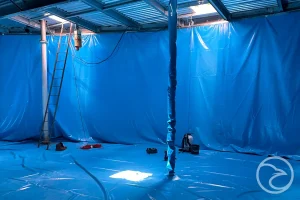
Preparation depends on the maintenance activity. Some internal work may require tank isolation and drainage.
Access conditions and site requirements must also be considered. Maintenance should follow appropriate site procedures and safety requirements.
4. Complete the Required Maintenance
The actual work depends on identified conditions. It may involve cleaning, seal work, component replacement, or other corrective tasks.
Significant structural defects may require specialist repair rather than routine maintenance.
5. Check the Completed Work
The affected area should be checked after maintenance. This helps confirm that the original problem has been addressed.
For leakage issues, the repaired area may require further observation after the tank returns to operation.
6. Record the Maintenance
Completed work should be documented. Records create useful history for future inspections and maintenance planning.
They can also reveal recurring problems over time.
How are GRP Tank Inspections Connected to Maintenance?
Inspection and maintenance are closely related, but they serve different purposes. An inspection identifies the condition of the tank. Maintenance addresses identified issues or helps preserve tank performance.
A simple sequence is:
Inspection → Findings → Maintenance Decision → Corrective Work → Follow-Up
For example, an inspection may identify early deterioration around a panel joint. The tank may not yet be leaking. The finding can then support planned maintenance before leakage develops.
An inspection may also identify corrosion on an internal component. Further assessment can determine whether monitoring, maintenance, or replacement is appropriate.
This condition-based approach helps maintenance focus on actual tank requirements.
Does Every Tank Inspection Lead to Maintenance?
No. An inspection does not automatically mean maintenance or repairs are required. Different findings can lead to different actions.
A tank may require:
- no immediate action;
- continued monitoring;
- routine maintenance;
- cleaning;
- minor corrective work;
- component replacement;
- specialist repair;
- further investigation.
This distinction is important. Unnecessary maintenance can be avoided when components remain serviceable.
At the same time, genuine deterioration can be addressed before it develops further. Inspection therefore provides information for making better maintenance decisions.
Common GRP Panel Water Tank Maintenance Issues
Certain issues are particularly relevant to sectional GRP tanks.
Joint and Seal Deterioration
Panel joints are a natural maintenance focus because they form part of the tank’s containment system. Age, movement, and environmental conditions can affect sealing materials.
Early attention may help prevent minor seepage from becoming a persistent leak.
Minor Leakage
Leakage can occur around joints, connections, fittings, or other interfaces. The visible location may not always be the original source.
Maintenance should therefore follow identification of the cause. Repeatedly sealing the visible area may not solve an underlying problem.
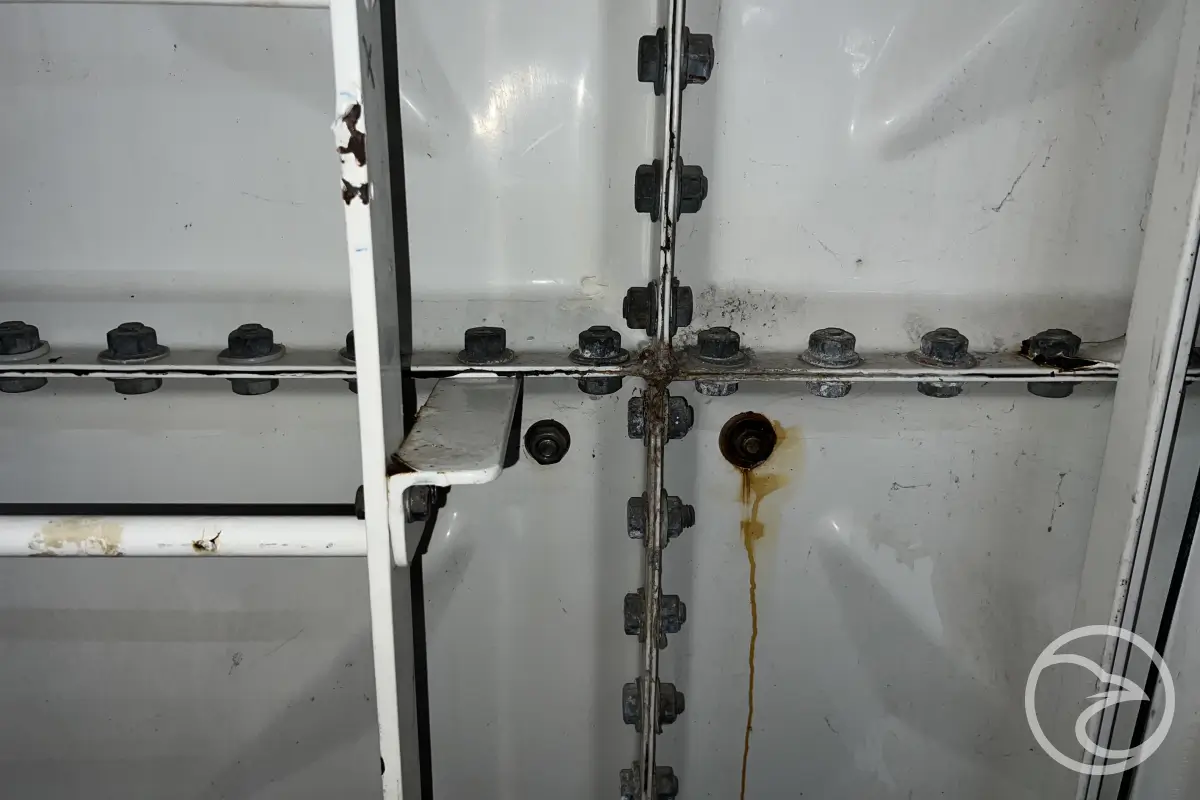
Fastener Deterioration
Metal fasteners can deteriorate under certain environmental conditions. Moisture, humidity, and chemical exposure can influence corrosion.
The significance depends on the component and its structural function.
Internal Component Corrosion
The GRP panels themselves do not rust. However, some tank systems contain metallic internal components.
Their condition should therefore be considered separately from the GRP panels. Corrosion affecting structural components may require specialist assessment.
Sediment Build-Up
Sediment can accumulate gradually without creating an obvious external sign. Its presence may become apparent during cleaning or internal inspection.
The rate of accumulation varies according to water quality and tank operation.
Damaged Fittings and Connections
Fittings can experience wear, movement, or deterioration over time. Leaks around these components should be investigated promptly.
A connection problem can sometimes be mistaken for a panel defect.
GRP Panel Damage
GRP panels are durable, but physical damage remains possible. Impact, inappropriate modifications, or unusual loading can affect a panel.
Visible cracking, deformation, or significant surface damage should be assessed. Routine maintenance is not always sufficient for damaged structural panels.
Maintenance Requirements Across the Tank
Maintenance should consider the complete sectional tank rather than one material.
| Tank area | Typical maintenance focus |
|---|---|
| GRP panels | Surface damage, unusual movement and condition |
| Panel joints | Seals, joint condition and leakage |
| Bolts and fasteners | Deterioration and connection condition |
| Internal supports | Corrosion, damage and structural condition |
| Roof | Covers, seals and roof components |
| Access points | Hatches, ladders and secure access |
| Inlets and outlets | Connections, seals and leakage |
| Valves and fittings | Condition and correct operation |
| Tank base area | Leakage, water accumulation and visible changes |
Not every item requires corrective work during every maintenance visit. The table instead shows why maintenance should consider the complete tank system.
How Operating Conditions Affect Maintenance Needs
Two identical GRP panel tanks can develop different maintenance requirements. Their operating environments may be completely different.
Outdoor Exposure
Outdoor tanks experience changing temperatures, weather, and environmental exposure. Roof and external components can therefore require particular attention.
Coastal Environments
GRP provides a significant advantage because it does not rust. However, metallic components can still experience demanding coastal conditions.
Their condition may require closer attention.
Industrial Environments
Industrial sites can expose tanks to humidity, chemicals, airborne contaminants, or demanding operating conditions. These factors may affect individual components differently.
Water Quality
Stored water can also influence maintenance needs. Sediment, minerals, treatment chemicals, and contaminants can affect the internal tank environment.
Changes in water quality should be considered when planning maintenance.
Tank Usage
Frequently used tanks may operate differently from tanks with low water turnover. Changes in tank use can also affect maintenance requirements.
The maintenance programme should reflect actual service conditions.
Can GRP Panel Tanks be Repaired During Maintenance?
Some minor corrective work can form part of normal maintenance. However, maintenance and structural repair should not be treated as the same service. A deteriorated seal may require maintenance or replacement.
A damaged fitting may also be replaceable without major tank work. Structural damage requires a different approach. Examples may include significant panel cracking, deformation, or problems affecting structural supports.
These conditions should be properly assessed before repair begins. The correct response depends on the cause, severity, and affected component.
Why Maintenance Records Matter
Tank records provide more than administrative information. They create a history of how the tank changes over time.
Useful records can include:
- inspection dates;
- cleaning dates;
- identified defects;
- maintenance completed;
- seals or components replaced;
- leakage history;
- repair details;
- follow-up observations.
This information becomes increasingly valuable as a tank ages. For example, repeated work on the same joint can reveal a recurring issue.
Previous records can also help technicians understand whether deterioration is new or already being monitored. Maintenance decisions become stronger when they are supported by reliable condition history.
Preventive Maintenance and Long-Term Tank Performance
GRP panel water tanks can provide long service when correctly specified, installed, and maintained. Preventive maintenance helps protect that performance. The objective is not to replace components unnecessarily.
Instead, maintenance should address deterioration when there is a clear reason to act. Small seal problems can be addressed before significant leakage develops. Damaged fittings can be replaced before they create wider operational problems.
Cleaning can prevent excessive sediment accumulation. Inspection findings can identify components requiring closer monitoring. This approach supports more predictable tank management.
It can also reduce dependence on emergency repairs after problems become obvious.
When is Professional GRP Tank Maintenance Needed?
Basic observation can identify many visible changes around a tank. However, some conditions require specialist assessment.
Professional attention may be appropriate when there is:
- recurring leakage;
- significant seal deterioration;
- visible panel cracking;
- panel deformation;
- damaged structural components;
- internal support deterioration;
- substantial corrosion of structural metalwork;
- repeated problems after previous maintenance;
- uncertainty about the source of leakage.
Significant tank work should not begin until the cause of the problem is understood. This is particularly important where structural components may be affected.
GRP Panel Water Tank Maintenance Checklist
A practical maintenance programme should consider more than the visible GRP surfaces.
Key areas include:
- GRP panel condition
- Panel joints and seals
- Evidence of leakage
- Bolts and fasteners
- Internal supports
- Roof components
- Access hatches and covers
- Ladders and access equipment
- Inlets and outlets
- Valves and fittings
- Sediment accumulation
- Tank base and surrounding area
- Previous inspection findings
- Previous repairs or recurring defects
The exact checklist should reflect the tank design and its operating environment.
Conclusion
GRP panel water tanks are durable and corrosion resistant, but they still require appropriate maintenance. Maintenance should consider the complete tank system rather than focusing only on GRP panels.
Joints, seals, fasteners, supports, fittings, roof components, and connections can all require attention during the tank’s service life. There is also no universal maintenance schedule suitable for every installation. Tank age, water quality, operating environment, previous problems, and inspection findings should guide maintenance decisions.
Regular inspections support this process by identifying deterioration and changing conditions. Maintenance can then address those findings before minor issues become larger operational problems.
A condition-based approach helps preserve reliable tank performance while avoiding unnecessary work.