A tank liner is a critical component that protects industrial, commercial, and fire water storage tanks from leaks, corrosion, contamination, and structural damage. Selecting the wrong liner can lead to premature failure, increased maintenance costs, and safety or compliance issues.
This guide explains how to choose a tank liner that matches your tank’s purpose, environment, and long-term performance requirements.
Step 1 — Identify Your Tank Type
Different tanks require different liner characteristics. Start by identifying:
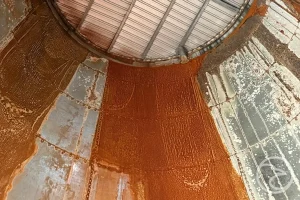
- Steel Tanks: Need liners that protect against rust, pitting, and corrosion caused by constant water exposure.
- Concrete Tanks: Require flexible liners capable of bridging cracks and preventing seepage.
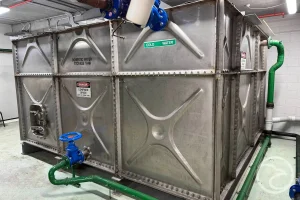
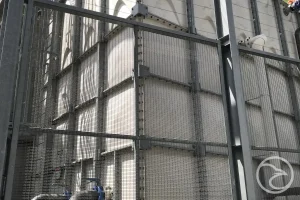
- Sectional / Bolted Tanks: Require liners tailored to panel joints and mechanical fasteners.
- Industrial Tanks: May require chemical-resistant properties, depending on the stored medium.
The tank type determines which liner materials and thicknesses are suitable.
Step 2 — Evaluate the Stored Medium
The nature of the stored liquid directly influences the type of liner you need:
- For Water Storage: PVC or EPDM liners are common, cost-effective, and long-lasting.
- For Fire Water Storage: Liners must be highly durable, UV-resistant, and compliant with fire safety storage requirements.
- For Chemical or Industrial Use: Composite, XR-5, or TPU liners may be required for chemical compatibility and enhanced resistance.
Choosing a liner incompatible with the stored medium is one of the fastest ways to cause failure.
Step 3 — Consider Environmental Conditions
- High UV Exposure: Outdoor sites require UV-stabilised liners to prevent cracking and brittleness.
- Temperature Variations: EPDM or specialty liners perform better in environments with large temperature swings.
- Coastal or Corrosive Areas: Reinforced polymers may be required to withstand saline or aggressive environments.
- Remote Locations: Opt for liners that are easy to install and maintain with minimal equipment.
Environment strongly influences liner durability and lifecycle.
Step 4 — Compare Liner Materials
PVC (Polyvinyl Chloride)
- Flexible and cost-effective
- Good for most water tanks
- Moderate UV resistance
EPDM (Ethylene Propylene Diene Monomer)
- Highly flexible
- Excellent temperature tolerance
- Very long service life
TPU / XR-5 / Polymeric Composites
- Designed for industrial, harsh, or chemical environments
- Superior tear and puncture resistance
- Long-term reliability
Each material has distinct strengths. Understanding them helps you wisely choose a tank liner that suits your application.

Step 5 — Assess Durability and Thickness
Higher-stress tanks require thicker liners. Consider:
- internal pressure
- movement or vibration
- potential mechanical impact
- expected lifespan
Step 6 — Consider Life Cycle and Total Cost
The cheapest liner up front often costs more over time. Instead, weigh:
- material lifespan
- environmental resistance
- maintenance requirements
- replacement cost
- service intervals
A slightly higher-quality liner can prevent very expensive repairs in the future.
Final Thoughts
Selecting the right liner is essential for maximising the safety, lifespan, and performance of your storage tank. When you choose a tank liner with the right material, thickness, environmental resistance, and installation approach, you significantly reduce the risks of leaks, contamination, structural damage, and costly failures.
Learn more about our engineered lining solutions designed to protect tanks across diverse industrial and commercial environments.
The right decision depends on a blend of tank type, location, water or liquid composition, and long-term operational needs. Careful evaluation ensures reliable storage and peace of mind for years.