Our drone inspections provide safe, high-quality external visuals of water storage tanks, helping facilities assess condition quickly and with minimal disruption.

Drone technology offers a safe, efficient, and highly accurate way to evaluate the condition of water storage tanks. Aerial assessments allow technicians to inspect areas that are difficult or hazardous to access, providing high-quality data without the need for scaffolding, working at heights, or prolonged system downtime.
Australian Fire Tanks delivers advanced drone inspection services to help facilities assess tank condition quickly and with minimal disruption.
Traditional access methods can be slow, expensive, and pose safety risks. Drones provide a modern alternative that combines precision with efficiency.
Key advantages include:
Drone inspections give facility managers a complete overview of tank condition while maintaining operational continuity.

Aerial evaluations are ideal for reviewing the external and elevated areas of water storage tanks. Our drones can identify:
These insights help teams plan maintenance and monitor aging infrastructure.
Our inspection technology includes multiple advanced imaging tools that enhance visibility and accuracy:
High-Resolution Photography and Video
Provides clear visuals of tank surfaces, roof structures, and elevated components.
Thermal Imaging (Optional)
Highlights temperature variations that may indicate coating damage, surface degradation, or thermal stress.
Overhead Mapping and Photogrammetry
Supports surface comparison, deformation monitoring, and documentation over time.
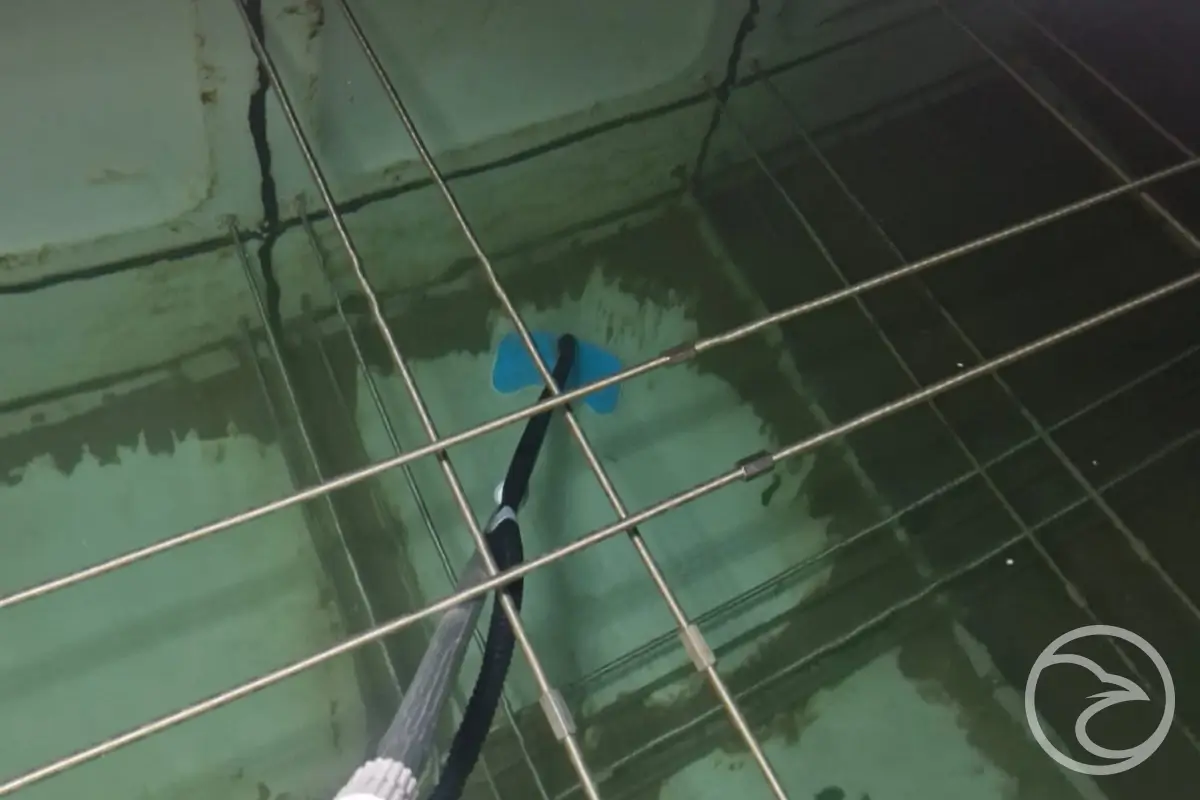
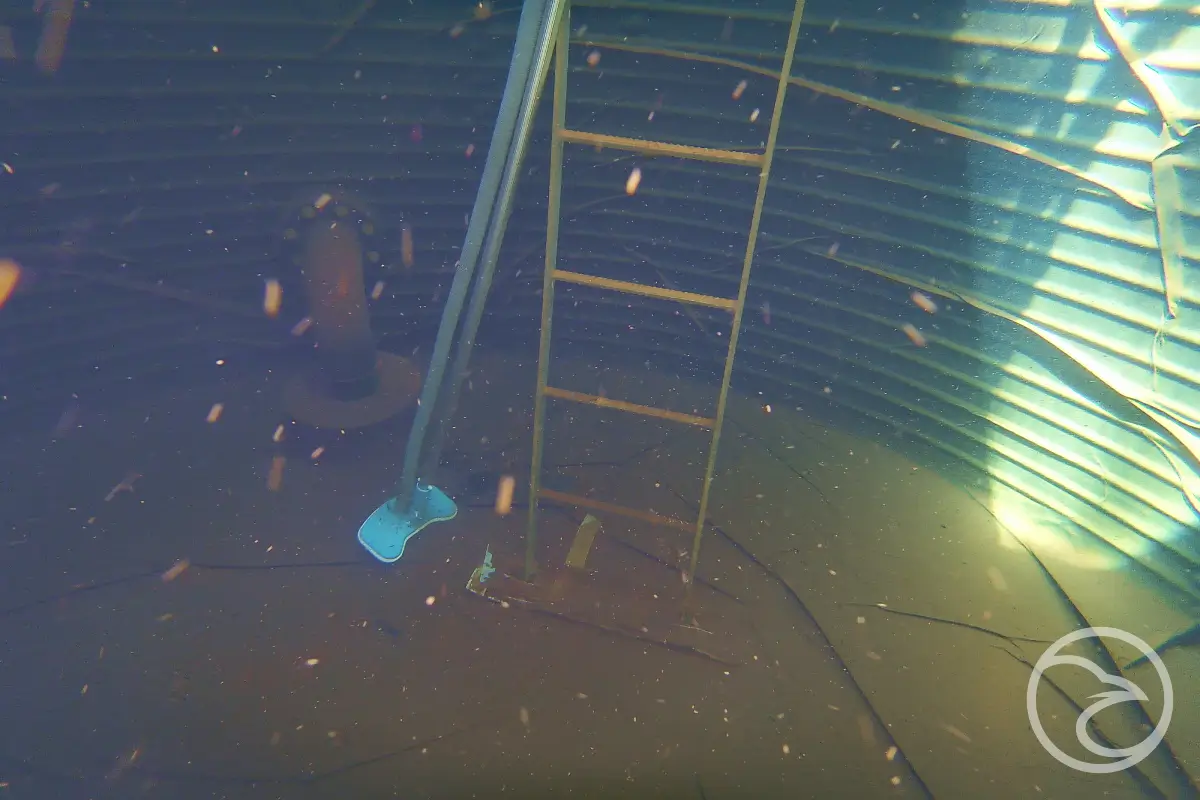
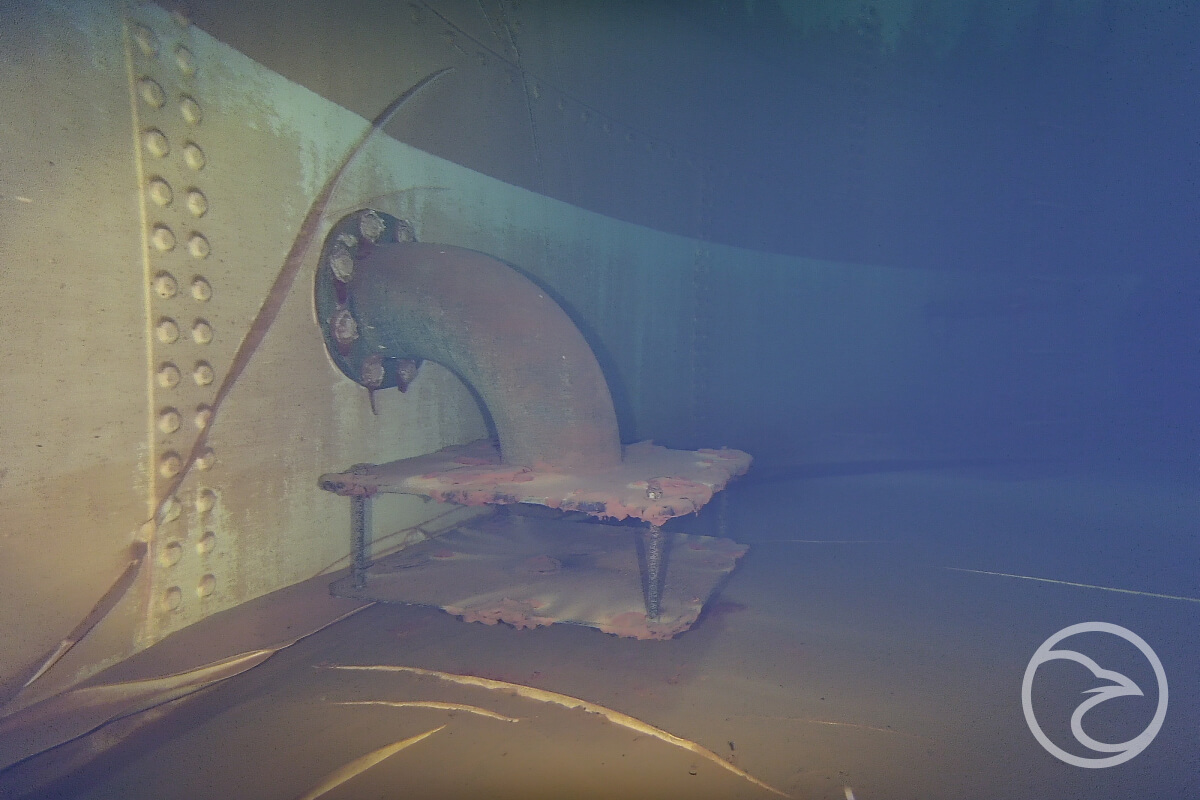
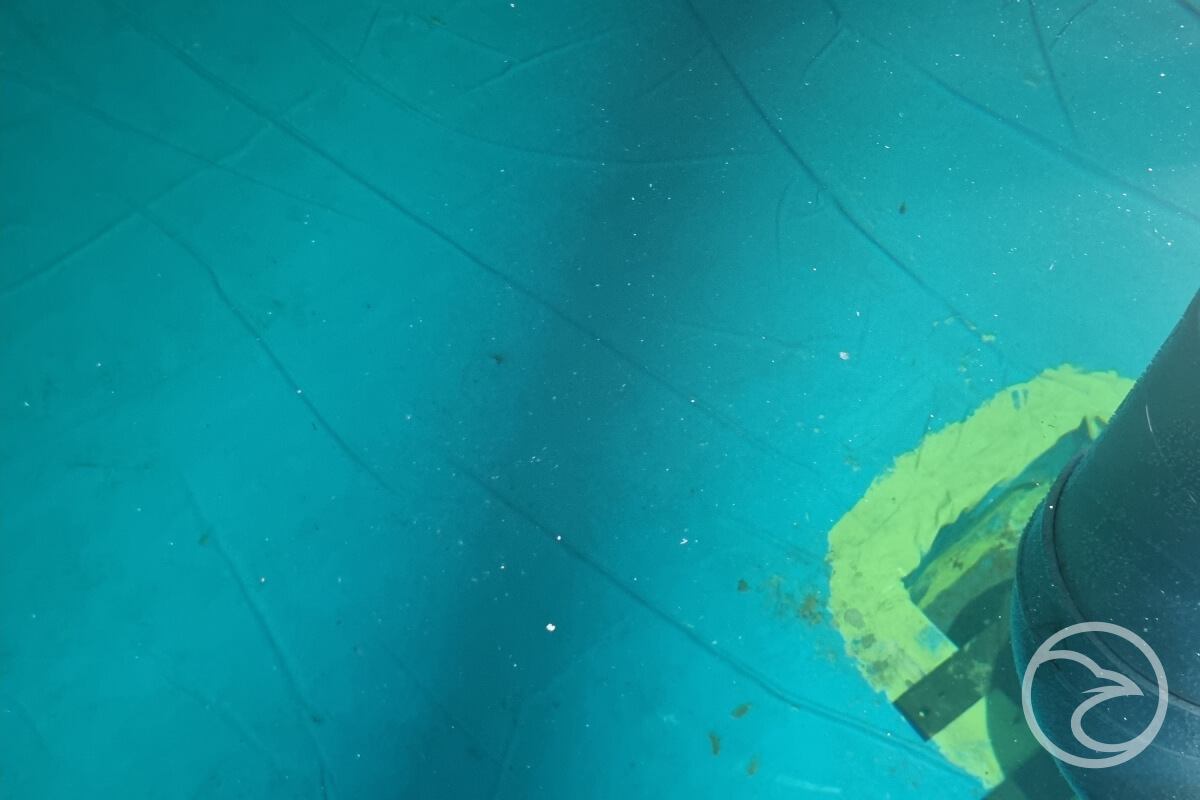
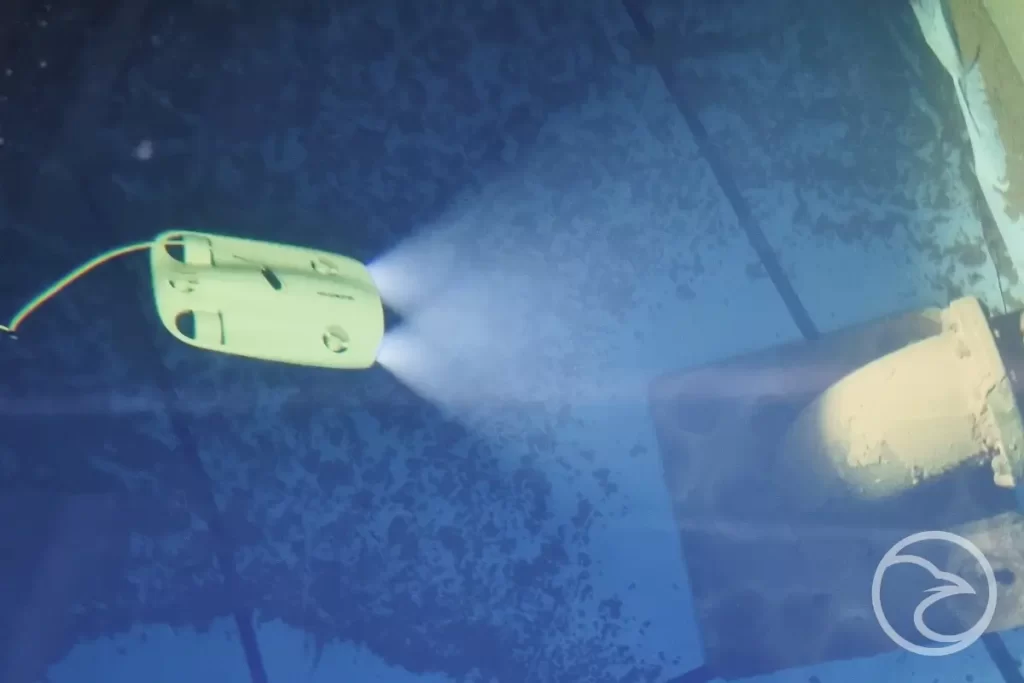
Underwater ROV Footage (Internal Visual Review)
For internal areas that cannot be accessed safely or require underwater viewing, we use ROV units capable of capturing clear, stabilised footage below the waterline.
ROVs allow operators to:
This technology complements drone footage by expanding visibility to internal zones while keeping personnel safe.
Our aerial and underwater tools are effective for many water storage environments, including:
Drones handle external and elevated views, while ROVs assist where underwater visibility is needed.
These technologies provide valuable insight in situations where manual access is limited or unsafe.
They are ideal for:
Gain full visibility of your water storage tank—externally and underwater—without the risks of manual entry. Contact Australian Fire Tanks to schedule a drone or ROV-based assessment.
Have questions? Here are answers to some of the most common inquiries to help you better understand our services.
An ROV is a remotely controlled underwater device used to capture internal visuals in submerged or difficult-access areas without requiring personnel entry.
Drone assessments significantly reduce safety risks by eliminating the need for working at heights or using scaffolding. Licensed operators collect visual data from a safe, controlled distance.
Yes. Aerial evaluations allow technicians to view elevated or hard-to-reach areas without physical entry, lowering exposure to hazards and minimising downtime.
ROVs can be used in fire water tanks, potable water tanks, industrial tanks, and reservoirs—especially where internal access is limited or unsafe.