Stainless steel water tanks are widely used in commercial, industrial, and fire protection applications across Australia. Their durability, corrosion resistance, and structural strength make them suitable for demanding water storage environments.
However, stainless steel water tanks are not completely immune to deterioration. Corrosion, leaking joints, damaged fittings, and structural problems can develop under certain conditions.
These issues often result from environmental exposure, unsuitable materials, installation problems, or inadequate maintenance. Even minor defects can gradually affect water quality and storage reliability.
Understanding common problems with stainless steel water tanks helps facility managers identify damage before it becomes serious.
This guide explores typical stainless steel tank problems, their causes, warning signs, and practical prevention methods.
Are Stainless Steel Water Tanks Prone to Problems?
Stainless steel water tanks are generally durable and resistant to many forms of corrosion. However, their performance depends on material selection, water quality, installation, and maintenance.
Stainless steel contains chromium, which forms a thin protective oxide layer on its surface. This passive layer helps protect the underlying metal from corrosion.
However, certain conditions can damage or destabilise this protective layer. High chloride concentrations, stagnant water, surface contamination, and unsuitable cleaning chemicals can increase corrosion risks.
Other problems may involve mechanical damage, deteriorating seals, or movement around structural connections. The risk also depends on the stainless steel grade.
For example, grades 304 and 316 offer different levels of resistance to certain corrosive environments. Grade 316 generally provides better resistance to chloride-related corrosion, although neither grade is completely immune.
A suitable tank design should consider:
-
The chemical composition of stored water.
-
Environmental conditions surrounding the installation.
-
Stainless steel grade and surface finish.
-
Tank construction and joint design.
-
Expected operating temperatures.
-
Cleaning and maintenance requirements.
When these factors are properly managed, stainless steel tanks can provide reliable long-term water storage.
Common Problems with Stainless Steel Water Tanks
Stainless steel water tanks can experience several types of deterioration during their service life. Some problems affect the metal surfaces. Others involve joints, fittings, foundations, or water storage conditions.
Understanding the differences helps identify suitable maintenance and repair solutions.
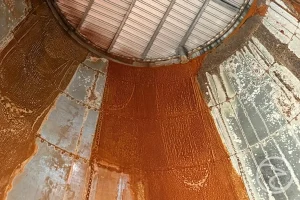
1. Corrosion and Rust Formation
Stainless steel offers excellent corrosion resistance in suitable environments. However, corrosion can still develop when the protective surface layer becomes compromised.
Surface contamination is one possible cause.
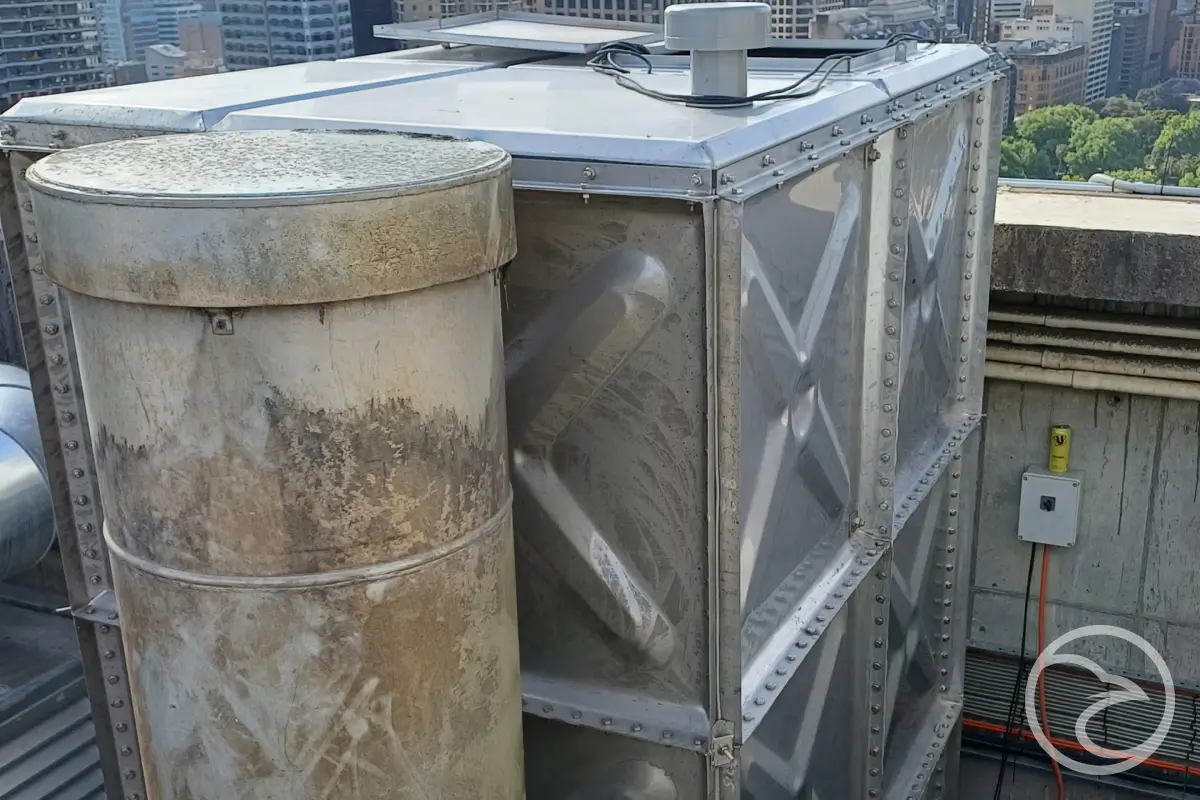
Iron particles from tools, fabrication equipment, or nearby carbon steel components can become embedded in stainless steel surfaces.
These particles may corrode and create visible rust staining. Corrosion can also develop when environmental conditions exceed the material’s resistance.
Common warning signs include:
-
Brown or reddish surface staining.
-
Localised discolouration around connections.
-
Corrosion near welds or fittings.
-
Rough or deteriorating surface areas.
-
Visible material damage around joints.
Not every rust stain indicates corrosion of the stainless steel itself. Surface contamination may produce staining without significant deterioration of the underlying material.
However, persistent corrosion should be investigated to determine its cause.
Prevention measures
-
Select stainless steel grades suitable for operating conditions.
-
Avoid contamination from carbon steel tools and equipment.
-
Use appropriate stainless steel cleaning products.
-
Inspect exposed surfaces for developing corrosion.
-
Address damaged or contaminated areas promptly.
Correct material selection and surface maintenance help reduce long-term corrosion risks.
2. Leaks Around Joints and Seals
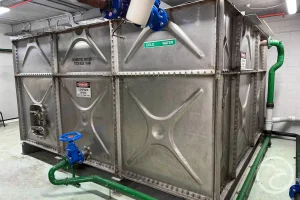
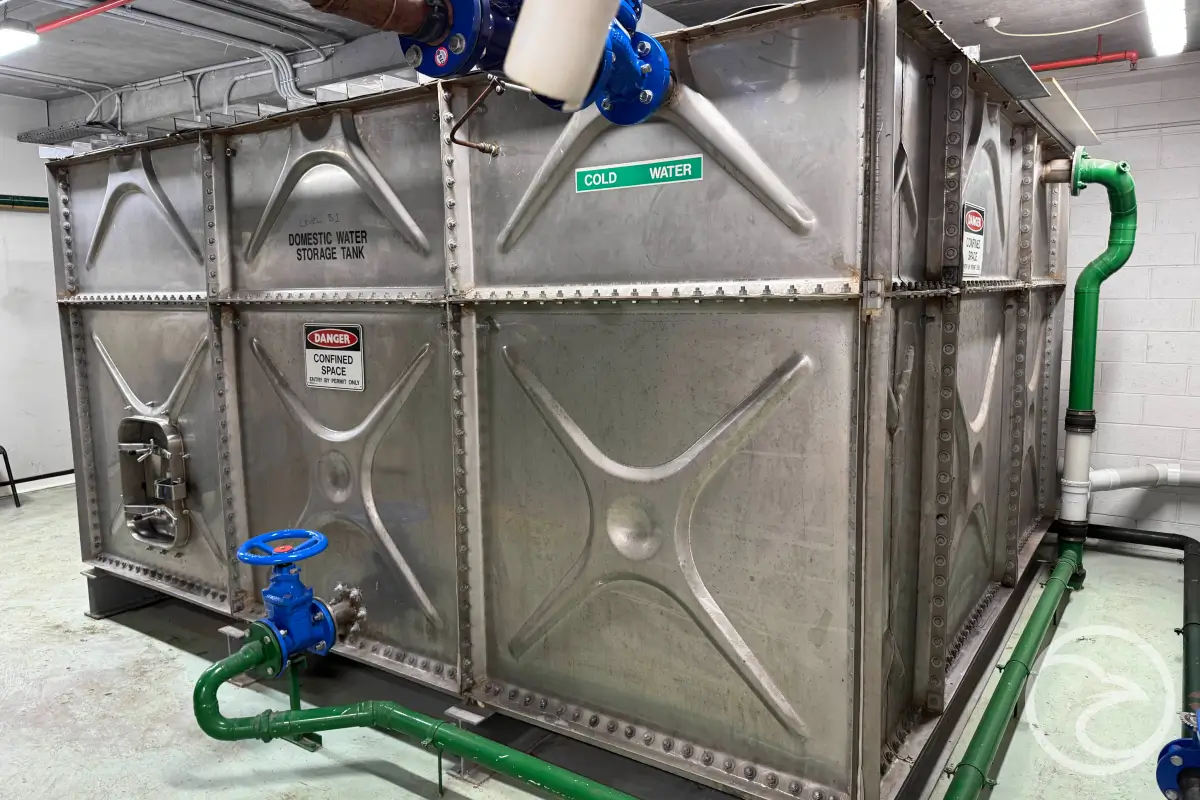
Leaks are among the most common problems affecting sectional stainless steel water tanks. Sectional tanks use interconnected panels to create a modular water storage structure.
These connections typically rely on suitable sealing systems to maintain watertight containment. Over time, sealing materials may deteriorate or become damaged.
Leaks can also result from installation problems, structural movement, or damaged connections.
Common warning signs include:
-
Water escaping from panel joints.
-
Persistent moisture around connections.
-
Damp areas beneath the tank.
-
Unexpected reductions in stored water levels.
-
Visible deterioration of sealing materials.
A leaking joint does not necessarily indicate that the stainless steel panels have failed. The problem may involve a damaged gasket, connection movement, or another localised defect.
Prevention measures
-
Inspect accessible panel joints regularly.
-
Monitor water levels for unexpected changes.
-
Check visible seals for deterioration.
-
Investigate recurring leaks promptly.
-
Follow manufacturer requirements for joint maintenance.
Damaged seals may be replaceable without replacing the entire tank. However, the underlying cause should be identified before repairs begin.
3. Pitting and Crevice Corrosion
Pitting and crevice corrosion are important concerns for stainless steel water storage systems. Both forms involve localised corrosion, but they develop under different conditions.
Pitting corrosion creates small cavities in the metal surface. It can occur when chloride exposure or other aggressive conditions disrupt the protective oxide layer.
Pitting may appear minor at first, but deeper damage can develop beneath a small surface opening. Crevice corrosion occurs in narrow spaces where water becomes trapped and local chemical conditions change.
These areas may include:
-
Bolted connections.
-
Gasket contact surfaces.
-
Overlapping metal components.
-
Areas beneath accumulated deposits.
-
Certain fittings and structural connections.
Crevice corrosion can remain difficult to detect because affected surfaces may be concealed. Warning signs include localised staining, corrosion around joints, or unexplained leakage.
Prevention measures
-
Choose suitable stainless steel grades for water chemistry.
-
Avoid unnecessary water-trapping crevices.
-
Maintain appropriate cleaning procedures.
-
Remove accumulated deposits where practical.
-
Inspect vulnerable connections during maintenance.
Grade 316 may offer improved resistance in some chloride-containing environments. However, suitability depends on the actual operating conditions.
4. Structural Damage and Panel Deformation
Stainless steel water tanks must withstand the loads created by stored water and external conditions. Structural problems may develop when tanks experience unsuitable loading, foundation movement, or damaged connections.
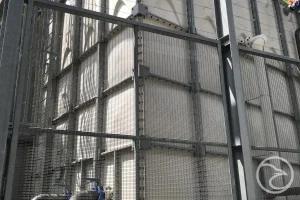
Sectional tanks are particularly dependent on the integrity of their panels and supporting components.
Potential warning signs include:
-
Bulging or distorted tank panels.
-
Unusual movement around joints.
-
Damaged structural braces.
-
Loose or deteriorated connections.
-
Visible deformation near the tank base.
-
Cracking or movement around supporting foundations.
Panel deformation can indicate structural loading problems. However, the cause cannot always be determined through visual inspection alone.
Some damage may result from installation defects, impact, or changes in supporting conditions.
Prevention measures
-
Ensure the foundation meets relevant design requirements.
-
Avoid unauthorised modifications to tank structures.
-
Inspect accessible structural connections.
-
Investigate unusual panel movement.
-
Arrange qualified assessments when deformation appears.
Structural concerns should be assessed before attempting repairs or adjusting connections.
5. Sediment Build-Up and Water Contamination
Sediment accumulation can affect stainless steel water tanks even when their structural components remain in good condition. Particles may enter through incoming water, damaged covers, or other openings.
Over time, deposits can accumulate on the tank floor and around internal components. Sediment may also create conditions that increase localised corrosion risks.
Common warning signs include:
-
Visible deposits on internal surfaces.
-
Cloudy or discoloured water.
-
Debris accumulating near outlets.
-
Unusual odours.
-
Biological growth in suitable conditions.
Water contamination can affect different applications in different ways. Potable water storage requires particular attention to drinking water quality.
Fire protection tanks require suitable water availability and protection of connected firefighting equipment.
Prevention measures
-
Maintain suitable tank covers and access openings.
-
Inspect water conditions where required.
-
Follow appropriate cleaning schedules.
-
Investigate unusual water quality changes.
-
Maintain inlet arrangements and protective fittings.
Cleaning requirements should reflect the tank’s application and applicable maintenance obligations.
6. Damaged Fittings and Pipe Connections
Water tank fittings provide connections for filling, drainage, overflow, and water delivery. These components may experience corrosion, mechanical stress, or seal deterioration.
Different metals can also create galvanic corrosion risks under certain conditions. For example, incompatible metal combinations may increase deterioration when an electrolyte provides electrical contact.
Warning signs include:
-
Leaks around pipe penetrations.
-
Corrosion near flanges or connections.
-
Damaged or displaced fittings.
-
Loose or unsupported pipework.
-
Deteriorated sealing materials.
-
Visible movement around connections.
Damage may result from pipe loading, unsuitable installation, or environmental exposure.
Prevention measures
-
Use compatible fittings and connection materials.
-
Provide suitable pipe support.
-
Inspect accessible seals and connections.
-
Avoid excessive mechanical loading.
-
Repair damaged components promptly.
Properly designed connections help protect both the tank structure and connected water systems.
Stainless Steel Water Tank Problems: Causes and Prevention
Different defects often share similar underlying causes. Identifying these causes is important because repairs may fail when the original problem remains unresolved.
The following table summarises common stainless steel tank problems and practical prevention measures.
| Problem | Possible cause | Prevention |
|---|---|---|
| Surface rust staining | Iron contamination or unsuitable exposure | Proper cleaning and material handling |
| Pitting corrosion | Chlorides or aggressive water conditions | Suitable stainless steel grade |
| Crevice corrosion | Trapped water and deposits | Appropriate joint design and cleaning |
| Joint leakage | Damaged seals or connection movement | Joint inspections and maintenance |
| Panel deformation | Excessive loading or support problems | Structural assessments |
| Sediment accumulation | Particles entering stored water | Cleaning and contamination control |
| Damaged fittings | Mechanical stress or corrosion | Compatible materials and pipe support |
| Water quality deterioration | Contamination or inadequate maintenance | Water monitoring and suitable cleaning |
The appropriate response depends on defect severity and the tank’s intended application.
What Causes Stainless Steel Water Tank Problems?
Several environmental and operational factors influence the condition of stainless steel water tanks. Understanding these factors helps prevent recurring damage.
Water Chemistry and Chloride Exposure
Water chemistry is one of the most important considerations for stainless steel storage tanks. Chlorides can increase the risk of pitting and crevice corrosion under certain conditions.
The level of risk depends on chloride concentration, temperature, material grade, and other environmental factors. Water quality should therefore be considered during material selection.
Incorrect Stainless Steel Grade
Different stainless steel grades offer different corrosion resistance and mechanical properties. A material suitable for one environment may perform poorly in another.
For example, coastal or chloride-rich environments may require more careful material selection. Using an unsuitable grade can increase the likelihood of premature deterioration.
Poor Installation Practices
Installation quality affects tank reliability. Incorrect joint assembly, unsuitable supports, or damaged sealing materials may contribute to leakage and structural problems.
Improper handling can also contaminate stainless steel surfaces. Installation should follow relevant engineering requirements and manufacturer instructions.
Inadequate Maintenance
Stainless steel is often described as a low-maintenance material. However, low maintenance does not mean maintenance-free.
Neglected cleaning, unresolved leakage, and accumulated deposits can contribute to deterioration. Regular condition assessments help identify problems before they become extensive.
Environmental Conditions
External conditions can also affect tank performance. Coastal salt exposure, industrial contaminants, and high temperatures may influence corrosion risks.
Severe weather and foundation movement can create additional structural concerns. Tank design and maintenance should reflect the surrounding environment.
How to Prevent Common Stainless Steel Water Tank Problems
Preventive maintenance helps protect tank integrity and reduce unexpected repair requirements. A suitable maintenance programme should consider the tank’s materials, operating conditions, and intended application.
Choose the Correct Stainless Steel Grade
Material selection should reflect water chemistry and environmental exposure. Grades 304 and 316 are commonly considered for stainless steel water storage applications.
However, neither grade is suitable for every environment. Specialist material advice may be necessary when water contains elevated chloride concentrations or other aggressive substances.
Inspect Tank Joints and Connections
Joints and connections deserve particular attention in sectional tank designs. Seals, fasteners, and panel interfaces can experience deterioration over time.
Routine inspections should identify visible leakage, damaged components, and unusual movement. Problems should be investigated before extensive damage develops.
Maintain Suitable Water Quality
Water quality influences both stored water suitability and tank condition. Sediment, contaminants, and aggressive chemical conditions may increase maintenance requirements.
Appropriate monitoring helps identify changes that could affect long-term performance. The required monitoring depends on the stored water’s intended use.
Follow Appropriate Cleaning Procedures
Cleaning helps remove deposits and surface contaminants. However, unsuitable chemicals or abrasive methods can damage stainless steel surfaces.
Avoid using products that introduce unnecessary chloride exposure or contaminate the material. Cleaning methods should follow manufacturer guidance and relevant water storage requirements.
Monitor Structural Condition
Tank walls, supports, foundations, and accessible connections should remain in suitable condition. Visible deformation or unusual movement requires investigation.
Structural defects should not be treated as routine cosmetic problems. Qualified assessment may be necessary before repairs are planned.
Maintain Inspection Records
Inspection records help identify recurring problems and changes in tank condition.
Useful information includes:
-
Inspection dates and findings.
-
Identified corrosion or leakage.
-
Previous repairs and component replacements.
-
Water quality concerns.
-
Recommended corrective actions.
-
Follow-up assessment results.
Consistent records support maintenance planning and help prevent unresolved defects from being overlooked.
Corrosion resistance varies between tank materials. Our guide HDG tanks vs stainless steel tanks explains their key differences.
When Should a Stainless Steel Water Tank be Repaired or Replaced?
Not every stainless steel tank problem requires complete replacement. Many defects can be addressed through targeted repairs when the main structure remains suitable.
However, extensive deterioration may make replacement the safer or more economical option.
When Repairs may be Suitable
Repairs may be appropriate when damage is localised and the remaining structure is sound.
Examples include:
-
Replacing damaged gaskets or seals.
-
Repairing selected pipe connections.
-
Addressing localised surface contamination.
-
Replacing suitable damaged fittings.
-
Repairing minor defects using approved methods.
Repair feasibility depends on the defect, material condition, and tank design.
When Replacement may be Necessary
Replacement may become necessary when structural integrity cannot be adequately restored.
Examples include:
-
Extensive corrosion or material loss.
-
Severe panel deformation.
-
Significant structural connection failures.
-
Major foundation problems.
-
Repeated failures involving multiple components.
-
Unsuitable tank capacity or configuration.
A condition assessment helps determine whether repairs can provide a reliable long-term solution. Initial repair costs should also be compared with expected remaining service life.
Do Sectional Stainless Steel Tanks Require Special Maintenance?
Stainless steel sectional tanks use interconnected panels to create modular water storage structures. This construction offers flexibility for installation, transportation, and component replacement.
However, sectional designs contain joints and connections that require appropriate maintenance.
Panel Joints and Gaskets
Panel joints are important for maintaining watertight containment. Gaskets may deteriorate through ageing, chemical exposure, or mechanical movement.
Regular checks help identify leakage and visible sealing problems.
Bolted Connections
Bolted connections help maintain the structural integrity of sectional tanks. Damaged or deteriorated fasteners can affect joint performance.
Inspections should identify visible corrosion, damage, or unusual connection movement.
Structural Supports
Sectional tanks may include internal or external support systems. These components must remain suitable for the designed loading conditions.
Visible deformation, damaged braces, or foundation movement should be investigated.
Replaceable Components
One advantage of sectional construction is the potential to replace selected components. Depending on the design, damaged panels, seals, or fittings may be replaceable.
However, repairs must maintain the tank’s required structural and operational performance.
For durable and reliable water storage, explore our stainless steel sectional tanks, designed for commercial and industrial applications.
Conclusion
Stainless steel water tanks offer durable and corrosion-resistant water storage for many Australian applications. However, corrosion, leaking joints, damaged fittings, and structural deterioration can still develop.
These problems often relate to water chemistry, material selection, installation quality, or inadequate maintenance. Regular inspections, suitable cleaning, and timely repairs help reduce deterioration risks.
Understanding common stainless steel water tank problems allows facility managers to protect tank performance and maintain reliable water storage.