Reliable access to water is one of the most important foundations of any fire protection strategy. Whether used to operate sprinklers, hydrants, hose reels, or other suppression systems, water must be available in sufficient volume and pressure to support fire response efforts. In Australia, various guidelines and industry practices outline how facilities should approach fire safety water requirements, helping ensure that buildings and sites are equipped to manage fire risks effectively.
This article explains the essential concepts behind fire safety water requirements, how they shape system design, and why understanding these principles is crucial for owners and operators of commercial, industrial, and public facilities.
What are Fire Safety Water Requirements?
Fire safety water requirements refer to the minimum levels of water availability, flow, and pressure needed for fire suppression systems to perform effectively. They determine how much water must be present, how quickly it must be delivered, and how consistently it must flow during an emergency.
These requirements vary depending on building classification, fire load, occupancy type, and operational risks. The goal is to ensure that fire protection systems have the support necessary to perform their function without interruption.
Key factors include:
- water volume needed for sustained firefighting
- minimum pressure to operate suppression systems
- flow rates sufficient to control or suppress fire growth
- reliability of water supply under stress or peak demand
- redundancy to ensure continuity if a component fails
Sources of Water for Fire Protection
Different facilities rely on different types of water sources to meet their fire safety needs. The selection depends on site conditions, available infrastructure, and the scale of potential fire risks.
1. Municipal supply
Urban areas often connect to municipal water networks that provide continuous flow and pressure. These systems offer reliable supply but must still meet onsite minimum flow and demand criteria.
2. On-site storage
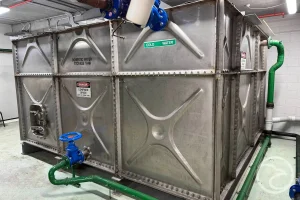
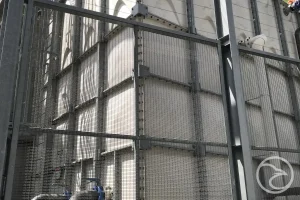
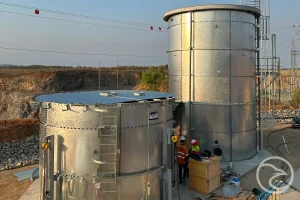
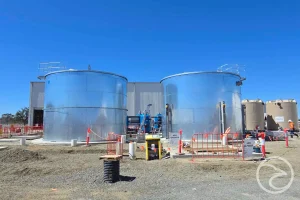
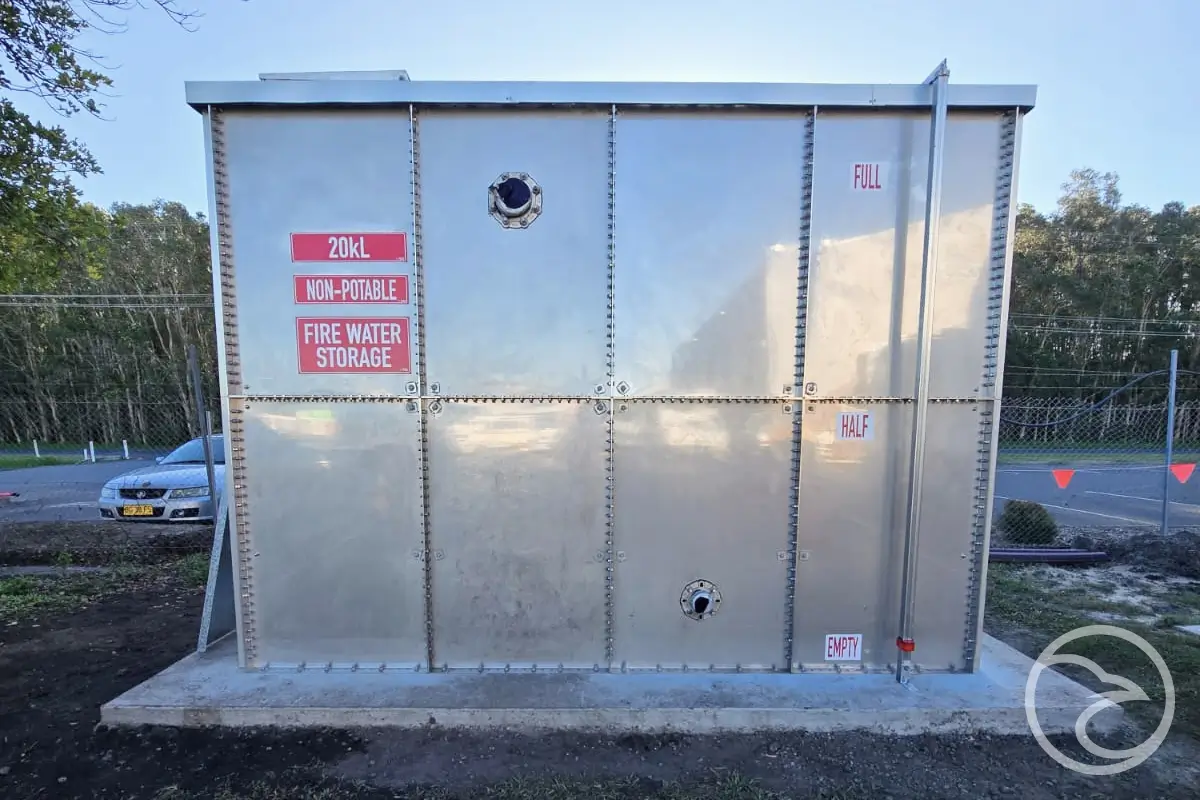
Where municipal supply is limited or unavailable, facilities may use dedicated water storage systems to ensure sufficient volume during emergencies.
3. Natural water sources
In some industrial or rural settings, lakes, rivers, or dams may act as alternative water sources, provided they meet quality and accessibility conditions for firefighting use.
4. Hybrid solutions
Many facilities use a combination of storage and municipal supply to achieve redundancy and consistent performance.
Key Performance Elements of Water Requirements
To meet fire safety expectations, water systems must achieve specific performance standards. These include:
Minimum pressure levels
Adequate pressure is required for sprinklers, hydrants, and hose reels to function effectively. Pressure must be consistent even when multiple systems are activated simultaneously.
Sufficient flow rates
Flow determines how quickly water can reach affected areas. Required flow rates depend on building size, fire load, and the suppression system in use.
Sustained duration
Fire suppression systems must maintain water flow for a designated period to ensure sufficient fire control and prevent fire spread.
Redundant supply
Backup systems or alternative sources help ensure continuous water delivery even if primary sources are compromised.
Appropriate water quality
Water used in fire protection systems should be free of contaminants and sediment that could obstruct pipes, valves, or suppression equipment.
Distribution and Delivery: how Water Reaches Fire Systems
Once sourced, water must be delivered efficiently throughout a facility. This requires a reliable distribution network made up of pipes, pumps, valves, and control systems.
Piping and mains
The design and diameter of pipes determine how well water moves through the network during high-demand events.
Control valves
Valves regulate flow within the system and must remain accessible and operational.
Fire pumps
Pumps may be required to maintain pressure and support peak flow conditions. Pump capacity aligns with fire safety water requirements for specific facilities.
System zoning
Large or complex sites may be divided into zones to maintain optimal performance and ensure coverage across all building areas.
Factors that Influence Water Requirements
Several variables affect the volume and flow needed for effective fire protection:
- Building characteristics: Height, footprint, and structural complexity influence the required water capacity.
- Occupancy type: Facilities with high fire loads, such as industrial plants or warehouses, require higher flow rates.
- Environmental conditions: In regions with extreme heat, drought, or seasonal variation, water supply stability must be considered.
- Operational risk factors: Processes involving flammable materials or high energy equipment may require increased suppression support.
Understanding these factors allows facility operators to manage water resources more effectively and ensure readiness for emergencies.

Why Fire Safety Water Requirements Matter
Fire safety water requirements ensure that buildings and sites have a reliable foundation for fire protection. Without adequate water supply, even advanced suppression systems cannot function effectively. Ensuring proper capacity, pressure, and delivery is therefore essential to safeguarding people, property, and infrastructure.
By understanding these requirements, facility owners and operators can make informed decisions about their overall fire safety planning and better integrate water supply systems with other protective measures.
For readers interested in how these water requirements influence broader fire protection infrastructure, you can learn more about fire water infrastructure here.