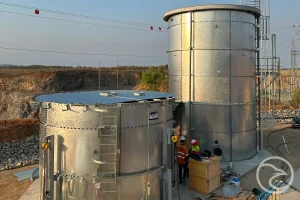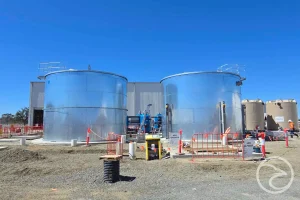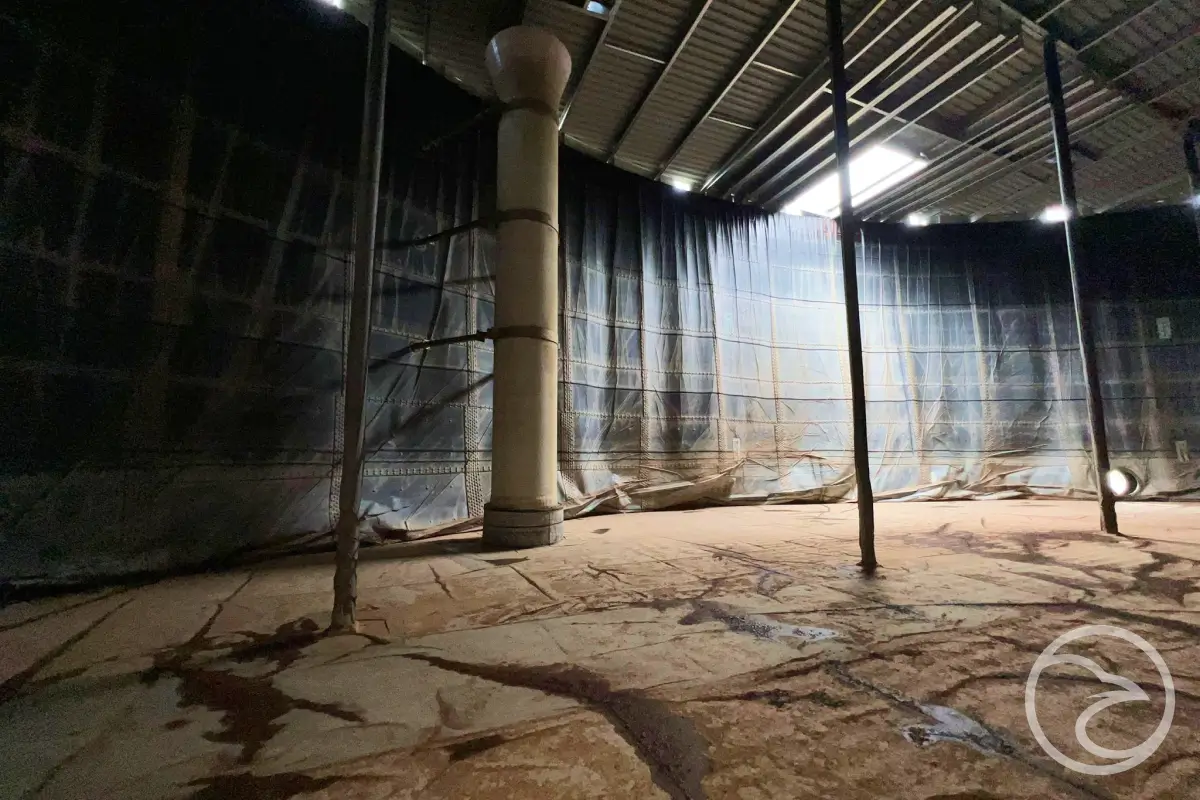
Fire water tank liners are designed for long-term performance, but no liner lasts forever. Over time, environmental exposure, water conditions, and structural stress gradually weaken liner materials. As deterioration progresses, the risk of leaks, corrosion, and system failure increases.
Understanding fire water tank liner lifespan helps facility owners plan inspections, maintenance, and future replacement projects more effectively. It also helps businesses reduce unexpected repair costs and maintain reliable fire protection systems.
Several factors influence how long a liner remains operational. Material quality, environmental conditions, and maintenance practices all play an important role.
What is the Average Lifespan of a Fire Tank Liner?
The lifespan of a fire water tank liner varies depending on the material and operating conditions. Some commercial liner systems may last more than 20 years with proper maintenance. Others may deteriorate much faster in harsh environments.
Several factors affect lifespan, including:
- Liner material quality
- UV exposure
- Temperature fluctuations
- Water quality
- Installation quality
- Structural movement
- Inspection frequency
- Maintenance practices
Well-maintained liners generally remain operational much longer than neglected systems. Facilities that invest in durable commercial fire water tank liner systems often achieve better long-term performance and lower maintenance costs.
Why Environmental Conditions Matter
Environmental exposure is one of the biggest causes of premature liner deterioration. Outdoor fire water tanks experience constant stress from changing weather conditions. UV radiation, heat, humidity, and rainfall gradually weaken liner materials over time.
High temperatures may reduce liner flexibility, while repeated expansion and contraction can place additional stress on seams.
Harsh environmental conditions often accelerate:
- Surface cracking
- Material fading
- Seam separation
- Water seepage
- Structural fatigue
Facilities located in demanding climates typically require more frequent inspections and maintenance programs. Environmental stress is one of the most common reasons liners fail earlier than expected.
Material Quality Strongly Influences Lifespan
Different liner materials offer different levels of durability and environmental resistance.
Common materials include:
- Reinforced PVC
- EPDM rubber
- Polyethylene
- Composite liner systems
Higher-quality materials generally resist environmental stress more effectively over long periods. For example, EPDM liners often perform well in outdoor environments with high UV exposure. Reinforced PVC systems may offer strong flexibility and durability in commercial applications.
Businesses comparing liner performance often review choosing the right material for a fire water tank liner before planning upgrades or replacement projects.
Lower-grade materials usually deteriorate faster under environmental pressure.
Poor Installation can Shorten Liner Lifespan
Even high-quality liner materials may fail prematurely if installation quality is poor. Incorrect seam welding, inadequate surface preparation, or poor tension control can weaken the liner from the beginning.
Installation issues may eventually lead to:
- Wrinkling
- Seam stress
- Water ingress
- Material movement
- Uneven pressure distribution
Professional installation plays a major role in long-term liner performance. Proper installation also helps maintain compliance standards and reduces future repair requirements.
How Maintenance Affects Long-Term Performance
Routine maintenance significantly improves liner lifespan. Small defects often develop gradually. Without maintenance, minor problems may spread into major structural failures.
Preventive maintenance programs commonly include:
- Visual inspections
- Leak detection
- Corrosion monitoring
- Seam assessments
- Cleaning procedures
- Condition reporting
Facilities with structured maintenance schedules usually identify deterioration before severe damage develops. Preventive servicing also reduces emergency repair costs and improves system reliability.
Water Quality Can Accelerate Deterioration
Water conditions inside the tank also influence liner lifespan.
Poor water quality may increase:
- Biological growth
- Chemical degradation
- Sediment buildup
- Surface contamination
Over time, these issues may weaken liner materials and contribute to corrosion inside the tank. Regular water quality monitoring helps reduce long-term deterioration risks.
Facilities storing untreated or contaminated water often require more frequent inspections.
Common Signs that a Liner is Aging
Most liners show warning signs before major failure occurs.
Common indicators of aging include:
- Surface cracking
- Fading
- Wrinkling
- Reduced flexibility
- Water seepage
- Seam separation
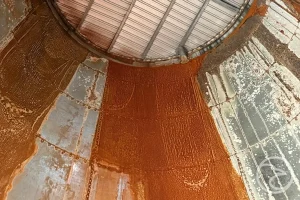
- Corrosion development
These issues may appear slowly over many years. Several common deterioration patterns are explained in how fire tank liners become damaged.
Early intervention often helps extend liner lifespan and reduce repair complexity.
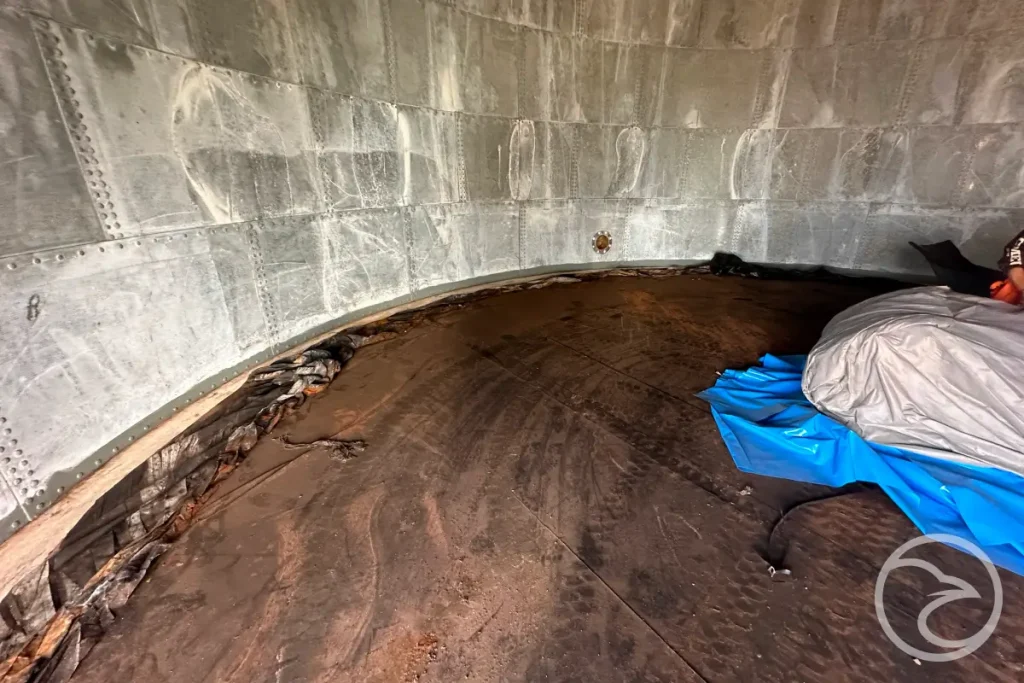
Why Inspections are Essential
Routine inspections are critical for monitoring liner condition over time.
A professional inspection helps identify:
- Hidden corrosion
- Seam deterioration
- Surface wear
- Structural movement
- Water ingress
- Material fatigue
Inspection findings help businesses determine whether maintenance, repair, or replacement is necessary. Facilities that schedule regular inspections and follow guidance from how often should fire tank liners be inspected? are often better prepared for long-term asset management and compliance planning.
When Replacement Becomes Necessary
Eventually, all liner systems reach the end of their service life.
Replacement may become necessary when:
- Damage becomes widespread
- Materials lose flexibility
- Repeated repairs continue failing
- Structural integrity declines
- Water containment becomes unreliable
Older liners may also struggle to meet modern compliance standards. In these situations, replacement often provides better long-term value than ongoing repairs.
Planning replacement projects early helps reduce operational disruption and emergency maintenance costs.
Final Thoughts
The lifespan of a fire water tank liner depends on material quality, environmental conditions, installation standards, and maintenance practices. High-quality liners combined with regular inspections and preventive maintenance generally deliver the best long-term performance.
Environmental stress, poor installation, and delayed maintenance can significantly shorten liner lifespan over time. Facilities that monitor liner condition proactively are usually better prepared to manage future repair and replacement requirements while maintaining reliable fire protection systems.