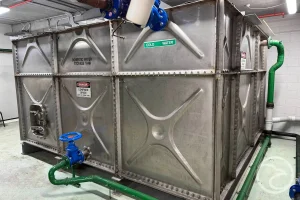
Galvanised water tanks are known for their durability, corrosion resistance, and long service life. They are widely used across industrial, agricultural, municipal, and commercial applications because they provide reliable water storage with relatively low maintenance requirements.
However, no water storage system is completely maintenance-free. Even a well-designed galvanised tank requires regular inspections and routine upkeep to maintain optimal performance.
A proactive maintenance strategy helps identify minor issues before they develop into costly repairs. It can also extend the lifespan of the tank and support long-term operational reliability.
This guide outlines a practical maintenance checklist for galvanised water tanks and explains the key areas that should be inspected regularly.
Why Maintenance Matters for Galvanised Water Tanks
Galvanised steel tanks are protected by a zinc coating that helps prevent corrosion. This protective layer significantly reduces the risk of rust and structural deterioration.
The effectiveness of this protection is achieved through the process discussed in hot dip galvanising explained, where steel components are coated with zinc to create a durable corrosion-resistant barrier.
Although galvanised tanks are highly durable, environmental exposure, water quality, and operational conditions can gradually affect their condition over time.
Regular maintenance helps:
- Detect corrosion early
- Maintain structural integrity
- Protect water quality
- Reduce repair costs
- Extend service life
- Improve asset reliability
A consistent inspection program is often far less expensive than major repairs or premature tank replacement.
Establishing a Maintenance Schedule
Maintenance should follow a planned schedule rather than a reactive approach.
Inspection frequency depends on several factors:
- Tank age
- Environmental conditions
- Water quality
- Tank location
- Regulatory requirements
- Operational demands
Facilities located near coastal environments or industrial zones may require more frequent inspections due to increased corrosion risks.
External Tank Inspection Checklist
The exterior of the tank is often the first area where signs of deterioration become visible. Regular visual inspections should include a review of all accessible external surfaces.
Check for Coating Damage
Inspect the galvanised coating for signs of damage.
Look for:
- Scratches
- Impact damage
- Surface wear
- Exposed steel
Areas with damaged coatings should be assessed promptly to prevent corrosion from developing.
Look for Signs of Corrosion
Although galvanised coatings provide excellent protection, corrosion can still occur under certain conditions.
Inspect for:
- Rust staining
- White corrosion products
- Surface discolouration
- Localised deterioration
Early identification allows corrective action before structural issues develop.
Examine Tank Panels
Carefully inspect tank walls and panels.
Look for:
- Deformation
- Dents
- Surface cracking
- Misalignment
Structural abnormalities should be investigated by qualified professionals.
Inspect Roof Structures and Covers
Tank roofs provide important protection against contamination and environmental exposure. Routine inspections should include all roof components.
Review:
- Roof panels
- Access hatches
- Ventilation systems
- Fasteners
- Seals
Any damage that allows water ingress or contamination should be addressed immediately.
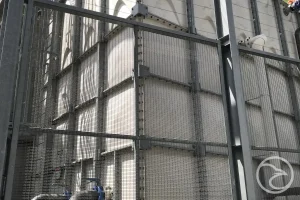
Check Access Systems
Safe access systems are essential for inspections and maintenance activities.
Inspect:
- Ladders
- Walkways
- Platforms
- Guardrails
- Safety cages
Damaged access structures can create safety risks and may affect compliance obligations. As discussed in Australian standards for galvanised water tanks, safe access requirements are an important consideration for ongoing tank management.
Inspect Pipework and Connections
Tank connections should be inspected regularly.
Pay close attention to:
- Inlet pipes
- Outlet pipes
- Overflow systems
- Drain connections
- Valves
- Flanges
Check for:
- Leaks
- Corrosion
- Loose fittings
- Mechanical damage
Small leaks can become larger problems if left unaddressed.
Internal Tank Inspection Checklist
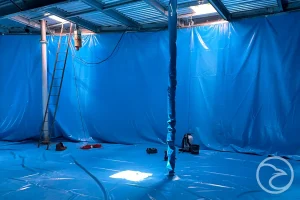
Internal inspections provide valuable information about tank condition. These inspections may require the tank to be isolated and drained.
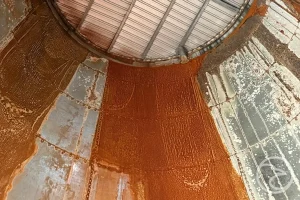
Examine Internal Surfaces
Inspect all accessible internal surfaces.
Look for:
- Corrosion
- Sediment accumulation
- Coating deterioration
- Surface deposits
Areas showing unusual wear should be investigated further.
Assess Water Quality Indicators
Water quality can influence tank performance.
Observe for:
- Discolouration
- Unusual odours
- Excessive sediment
- Organic growth
Changes in water quality may indicate maintenance issues or operational concerns.
Check Internal Components
Review any internal fittings and accessories.
Inspect:
- Supports
- Internal pipework
- Sensors
- Monitoring equipment
Ensure all components remain secure and functional.
Foundation and Site Inspection
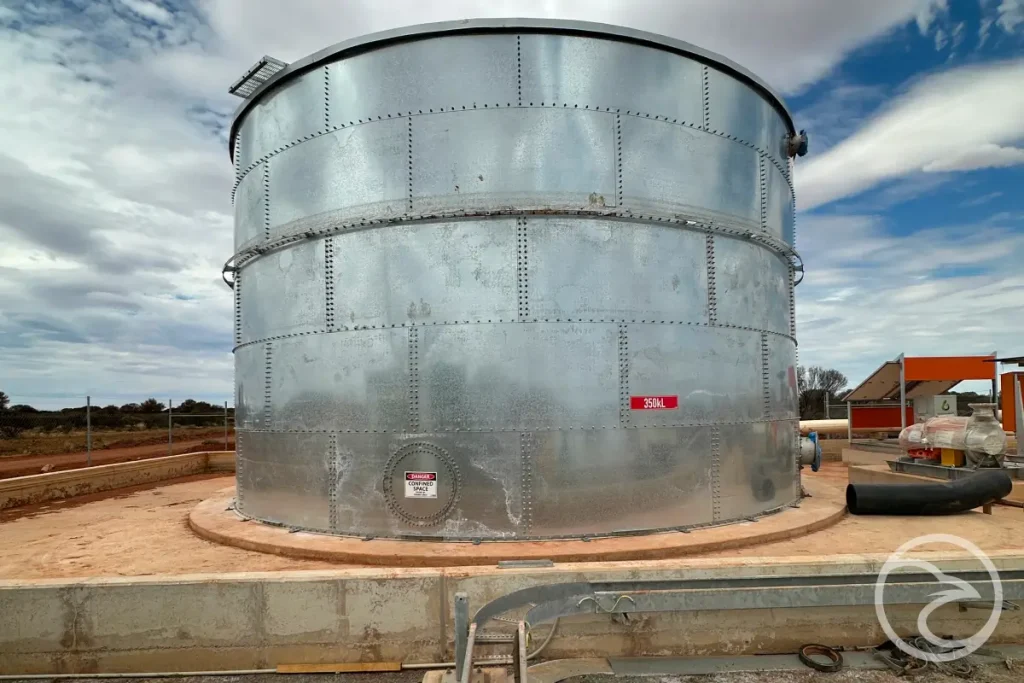
The condition of the tank foundation is critical to long-term structural performance. Inspect the surrounding area regularly.
Look for:
- Ground movement
- Settlement
- Cracking
- Erosion
- Drainage problems
Foundation issues can place additional stress on tank structures and should be addressed quickly.
Monitor Environmental Conditions
External environmental factors can influence maintenance requirements.
Consider:
- Coastal exposure
- Airborne salt
- Industrial emissions
- High humidity
- Extreme weather
Understanding local conditions helps determine appropriate inspection frequencies and maintenance strategies.
Record Inspection Findings
Every inspection should be documented. Maintenance records help track changes over time and support informed asset management decisions.
Inspection records should include:
- Inspection date
- Observations
- Identified defects
- Corrective actions
- Repair history
- Follow-up recommendations
Accurate documentation can also assist with compliance requirements and future maintenance planning.
Recommended Inspection Frequency
A structured inspection schedule helps maintain consistency. The following intervals are commonly used as a starting point.
| Inspection Item | Recommended Frequency |
|---|---|
| General visual inspection | Monthly |
| External inspection | Quarterly |
| Roof and access systems | Quarterly |
| Pipework inspection | Quarterly |
| Internal inspection | Annually |
| Structural assessment | Every 3–5 years |
Actual requirements may vary depending on site conditions and operational needs.
When to Seek Professional Assistance
Some issues require specialist evaluation.
Professional inspections should be considered when:
- Corrosion is identified
- Structural damage is observed
- Leaks are detected
- Foundation movement occurs
- Significant coating deterioration is present
Experienced inspectors can provide recommendations for repair, maintenance, or replacement when necessary.
Supporting Long-Term Tank Performance
Maintenance should be viewed as part of a broader asset management strategy. Consistent inspections help maximise the return on investment and reduce unexpected failures.
Many facility owners choose HDG water tanks because of their durability and corrosion resistance. However, achieving the longest possible service life still depends on proper inspection and maintenance practices.
A well-maintained tank is more likely to deliver reliable performance throughout its operational lifespan.
Conclusion
Galvanised water tanks provide a dependable and cost-effective solution for long-term water storage. Their corrosion-resistant zinc coating helps protect steel from environmental exposure and reduces maintenance demands.
Despite these advantages, routine inspections remain essential. Regular monitoring of coatings, structural components, access systems, pipework, and foundations can help identify issues before they become serious problems.
By following a structured maintenance checklist, tank owners can improve reliability, support compliance requirements, and extend the service life of their water storage assets.