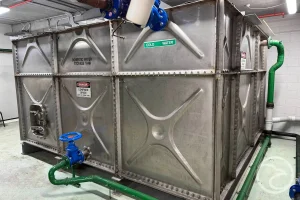
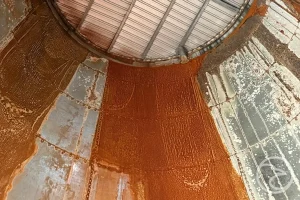
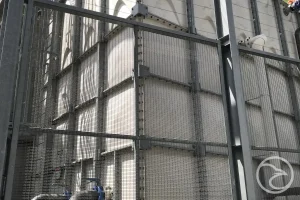
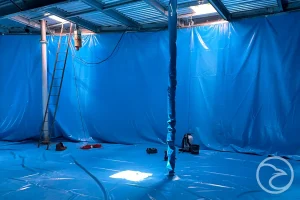
Fire water tank liners provide a protective barrier between stored water and the tank structure. However, no liner remains completely unchanged throughout its service life. Age, water exposure, tank movement, and mechanical stress can gradually affect liner condition.
Some forms of liner damage develop slowly over many years. Others can appear after a specific event. Damage may begin as a small crease, worn area, puncture, or stressed connection. These problems can become more significant when the underlying cause continues.
Understanding these causes helps explain why fire water tank liners require careful protection throughout their working life. This guide explores how liner damage develops and which areas face the greatest stress.
It also explains why minor damage can sometimes become a larger problem. Proper fire tank lining helps protect the tank structure from continuous water exposure and related deterioration.
Why do Fire Water Tank Liners Deteriorate?
A fire water tank liner operates in a demanding environment. The material remains in contact with stored water for long periods. It must also adapt to the shape and movement of the tank structure.
Several forces can affect the liner at the same time.
Common influences include:
- Continuous water exposure
- Material ageing
- Tank movement
- Surface irregularities
- Abrasion
- Temperature changes
- Sediment and debris
- Mechanical contact
- Stress around fittings and penetrations
These conditions do not always cause immediate damage. Instead, repeated stress can gradually change the liner’s physical condition.
A small weakness can also become more important as the liner continues ageing. For this reason, fire tank liner damage is often a gradual process rather than one isolated event.
The Main Causes of Fire Water Tank Liner Damage
Different tanks expose liners to different conditions. Tank design, liner material, installation quality, and operating conditions can all influence deterioration.
The following factors are among the most common causes of damage over time.
1. Natural Material Ageing
Every liner material changes as it ages. The speed of this process depends on the material and its operating environment. A new liner is generally designed to remain flexible under expected service conditions.
That flexibility helps the material follow the shape of the tank. Over time, some materials can become less flexible. Repeated stress can then have a greater effect on vulnerable areas.
Older material may also respond differently to folds, movement, or concentrated pressure. Age alone does not mean a liner has failed. However, ageing can make other sources of stress more important.
The condition of an older liner therefore depends on its entire service history.
2. Long-Term Water Exposure
A fire water tank lining remains exposed to water for much of its service life. Suitable liner materials are specifically designed for this environment. However, long-term performance still depends on material compatibility and operating conditions.
Water chemistry may also influence some liner materials. Temperature and chemical composition can affect how certain materials behave over time. The effect depends heavily on the specific liner system.
Stored water can also carry sediment and other particles. These materials may settle onto the tank floor. Their presence can create additional mechanical stress in some situations.
Therefore, water exposure should be considered alongside other environmental conditions.
3. Abrasion Against Tank Surfaces
Abrasion is an important cause of liner damage. A liner can experience repeated friction against the surface behind it. Small movements may occur as water levels change.
Structural movement can also create contact between the liner and supporting surfaces. A smooth surface usually presents less mechanical risk. Rough surfaces can create concentrated contact points.
Over time, repeated contact may wear the liner material.
Common abrasion risks include:
- Rough steel surfaces
- Uneven tank panels
- Raised edges
- Corroded areas
- Protruding components
- Hard debris
- Irregular substrate surfaces
Abrasion does not always produce an immediate puncture. The material may become thinner before visible failure occurs.
Continued movement can then place more stress on the weakened area.
4. Sharp Edges and Rough Surfaces
A liner works best when it rests against a suitable supporting surface. Sharp edges create very different conditions. They concentrate pressure onto a small section of liner material.
This concentration can increase the chance of local damage. The same issue can occur around rough corrosion or exposed metal edges. Even a small projection can create a stress point.
Water pressure may continuously push the liner against that point. The resulting damage can develop gradually. Surface condition therefore plays an important role in long-term liner performance.
This relationship also explains why damage beneath a liner should not be ignored. The liner and tank structure function as connected parts of the containment system.
5. Tank Movement and Structural Stress
Fire water tanks are large structures exposed to changing loads. Their components can experience small amounts of movement. Temperature changes can cause materials to expand and contract.
Water levels also change the forces acting on tank walls and floors. These movements are usually expected within the tank design. However, they can affect how the liner sits against surrounding surfaces.
Repeated movement may create stress around certain locations.
These areas can include:
- Corners
- Panel joints
- Floor transitions
- Pipe penetrations
- Connections
- Fittings
- Existing folds
A liner must accommodate these movements without becoming excessively stretched. Problems can develop when movement becomes concentrated in one small area.
Existing weaknesses can make that stress more significant.
6. Water Pressure and Changing Water Levels
Stored water creates hydrostatic pressure against the tank structure. That pressure also holds the liner against supporting surfaces. The pressure is not automatically harmful.
Fire tank liners are designed to operate with stored water. However, pressure can increase the effect of existing surface problems. Consider a small rough point beneath the liner.
Water pressure may push the liner firmly against that point. Repeated movement can then create abrasion. Changing water levels may also alter how sections of the liner are loaded.
These cycles can contribute to long-term stress. The effect becomes more important when other weaknesses already exist.
7. Creases and Folds
A liner does not always remain perfectly flat across every tank surface. Some folds may develop during installation or operation. A fold changes how forces move through the liner material.
Stress can become concentrated along a narrow area. The folded surfaces may also rub against each other. Repeated movement can increase this friction.
Not every fold indicates serious damage. Its importance depends on location, shape, material condition, and surrounding stress. However, persistent creases can become vulnerable areas over time.
This risk may increase as liner material ages.
8. Sediment and Debris
Sediment can accumulate inside a fire water tank over time. Small particles often settle at the bottom. Larger debris may also enter during maintenance or other activities.
Debris can create mechanical problems when it contacts the liner. Hard or sharp objects are particularly concerning. They may create concentrated pressure against the liner surface.
Movement can then turn that pressure into abrasion. Debris trapped beneath a liner can create another problem. Water pressure can press the material against the trapped object.
A sharp object may eventually damage the liner. Even less aggressive debris can create uneven contact points.
Keeping foreign materials away from the liner reduces unnecessary mechanical stress.
9. Temperature Changes
Temperature affects many materials used in water storage systems. Liner materials can expand and contract as conditions change. Tank components can also respond to temperature changes.
These movements may occur at different rates. That difference can create additional stress around fixed points. Connections and penetrations can be particularly important.
The liner may have less freedom to move around these locations. Temperature effects vary between tank environments. Indoor and outdoor tanks can experience very different conditions.
Local climate also influences the range of temperature changes. Temperature alone may not cause damage.
However, it can contribute to repeated stress over many years.
10. UV and Environmental Exposure
Some liner materials can be affected by prolonged ultraviolet exposure. However, UV exposure is not equally relevant for every fire tank liner. Most liner surfaces remain protected inside the tank.
Exposed sections may face different conditions. The risk depends on tank design and liner configuration. UV exposure can affect certain polymers over time.
Material properties may gradually change under prolonged exposure. Environmental exposure can also include heat and weather conditions.
These factors should always be considered within the specific tank environment.
11. Mechanical Damage During Tank Activities
Not all liner damage develops naturally. Human activity can sometimes damage the material. Tools and equipment can create punctures or cuts.
Heavy objects may also place concentrated pressure on the liner. Foot traffic can create another source of mechanical contact. The risk increases when debris becomes trapped beneath footwear or equipment.
Activities inside a lined tank therefore require careful control.
Common sources of accidental damage include:
- Dropped tools
- Sharp equipment
- Dragged components
- Unprotected footwear
- Temporary equipment
- Poor handling practices
A small puncture can be difficult to notice immediately. Its significance may become clearer after the tank returns to normal operation.
Why Small Areas of Liner Damage can Become Larger
A small damaged area does not always remain the same size. Repeated stress can continue acting on the original weakness. For example, a small abrasion point may gradually become thinner.
Movement can then place additional force on the weakened material. A minor tear may also extend when surrounding material moves.
The progression can follow a simple pattern:
- A stress point develops.
- The liner becomes locally weakened.
- Continued movement affects the same area.
- The weakened section becomes more vulnerable.
- Damage can gradually spread.
This process is not identical in every tank. Some minor imperfections can remain stable for long periods. Others may change more quickly. Location is often as important as the initial size. Damage near a penetration can behave differently from damage on a flat surface.
The surrounding liner condition also matters. Older material may respond differently from newer material under the same stress.
When liner damage affects water containment, it can contribute to fire tank leaks and expose surrounding tank surfaces to moisture.
Which Areas of Fire Tank Liners are Most Vulnerable?
Damage does not always develop evenly across a liner. Certain areas experience greater mechanical stress.
These locations deserve particular attention when understanding liner deterioration.
Floor-to-Wall Transitions
The transition between the tank floor and wall changes the liner’s direction. This geometry can create folds or concentrated stress.
Movement between surfaces can also affect the liner in this area.
Corners
Corners require liner material to follow more complex shapes. Poor material distribution can create folds or tension.
These conditions may become more important as the liner ages.
Pipe Penetrations
Pipes create fixed interruptions within the liner system. The material must form a reliable interface around each penetration.
Movement can create local stress around these areas.
Fittings and Connections
Fittings can create concentrated mechanical forces. The liner may also have less freedom to move near fixed components.
This can make surrounding material more sensitive to repeated stress.
Seams
Many liner systems contain joined sections. These connections can experience different stresses from the surrounding material.
Their performance depends on the liner system and joining method.
Rough Substrate Areas
A rough area behind the liner can create a persistent contact point. Water pressure may push the liner against that surface.
Repeated movement can then increase abrasion.
Existing Folds
A fold changes the normal distribution of liner material. It can also create surfaces that rub against each other.
For this reason, some folds may become stress points over time.
Does Liner Damage Always Cause a Leak?
No. Visible liner damage does not always mean immediate water loss. Different defects have different levels of significance. A surface mark may not extend through the liner.
A deep puncture creates a very different situation. Location also affects the potential consequences. Damage near fittings or penetrations can require different consideration.
The surrounding material condition matters as well. A defect in flexible material may behave differently from one in heavily aged material. For this reason, appearance alone cannot always determine the significance of a defect.
A systematic condition assessment can provide more information.
Read fire water tank liner inspection explained for a detailed overview of the inspection process.
What can Happen when Liner Damage Progresses?
A damaged liner may gradually lose its ability to provide effective separation. Water can potentially reach areas behind the liner. This exposure can affect the underlying tank structure.
For steel tanks, prolonged moisture exposure can support corrosion. Existing corrosion may also create rougher surfaces.
Those surfaces can place further mechanical stress on the liner.
This creates a possible cycle:
- Liner damage allows unwanted water contact.
- The underlying surface becomes exposed.
- Surface deterioration may increase.
- Roughness creates additional liner stress.
- Existing damage can become more significant.
The exact progression depends on tank materials and conditions. Not every defect follows this sequence. However, progressive damage should be understood before it becomes more extensive.
The extent of liner damage can influence whether repair remains practical. See fire water tank liner repair or replacement for a detailed comparison.
Can Fire Water Tank Liner Damage be Prevented?
No liner can be protected from every possible source of ageing. However, many unnecessary stress factors can be reduced. Good liner performance begins with suitable conditions around the material.
Important considerations include:
- Using an appropriate liner material
- Preparing supporting surfaces correctly
- Removing sharp projections
- Reducing unnecessary folds
- Keeping debris away from the liner
- Protecting the liner during tank activities
- Controlling contact with tools and equipment
- Considering movement around penetrations
- Following suitable maintenance practices
Good installation conditions can reduce avoidable stress from the beginning. Careful tank activities can also prevent accidental mechanical damage later.
Regular awareness of tank condition is equally important. A developing problem is easier to understand before extensive deterioration occurs.
Routine fire tank inspections can reveal liner deterioration and other tank condition issues before they become more extensive.
What Influences the Service Life of a Fire Water Tank Liner?
There is no single ageing pattern for every fire water tank liner. Two similar liners can experience different conditions. Several factors influence long-term performance.
These include:
- Liner material
- Tank design
- Installation quality
- Surface preparation
- Water conditions
- Temperature
- Tank movement
- Mechanical exposure
- Maintenance history
- Previous damage
This makes liner age only one part of the overall picture. An older liner is not automatically unsuitable. A newer liner is not automatically free from damage. Actual condition depends on the stresses experienced during service.
Can Sprinkler Tank Liners Develop the Same Problems?
Yes. Sprinkler tank liners can experience many of the same deterioration mechanisms. They also store water for fire protection purposes. A fire sprinkler tank liner can experience ageing, abrasion, movement, and local mechanical stress.
Tank construction still influences where these stresses develop. Penetrations, corners, fittings, and floor transitions remain important areas.
The exact deterioration pattern depends on each tank and liner system. Therefore, the same general damage principles apply across many fire water storage tanks.
Liner Damage is Often a Combination of Factors
It can be tempting to search for one cause behind every liner problem. In practice, several factors may act together. Consider a rough area on the tank surface.
The roughness alone may not immediately puncture the liner. Water pressure can push the liner against that area. Tank movement can then create repeated friction.
Material ageing may gradually reduce the liner’s resistance to that stress. The eventual damage therefore has several contributing causes. Another example involves a fold near a fitting.
The fold creates a local stress point. Temperature changes may produce repeated movement. Aging material can become less tolerant of that movement.
The combination may eventually produce visible deterioration. Understanding these interactions provides a clearer picture of liner damage.
What Happens after Damage is Identified?
Finding liner damage does not automatically determine the next action. The type, size, location, and surrounding condition all matter. The wider tank condition can also influence the decision.
Some situations may involve a limited affected area. Others can involve broader liner deterioration. This article focuses only on how damage develops.
Understanding Fire Water Tank Liner Damage Over Time
Fire water tank liners operate under continuous environmental and mechanical demands. Their condition can gradually change throughout their service life. Damage may result from ageing, abrasion, movement, debris, temperature, or accidental contact.
Several of these factors often work together. Small stress points can also become more significant when the underlying cause continues.
Corners, penetrations, fittings, folds, and rough surfaces can face greater local stress. However, liner age alone does not determine its condition. The complete operating environment provides a much clearer picture.
Understanding these damage mechanisms helps explain why fire tank liners can deteriorate over time. It also separates the cause of damage from later inspection, repair, or replacement decisions.