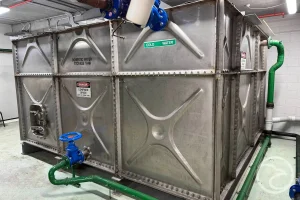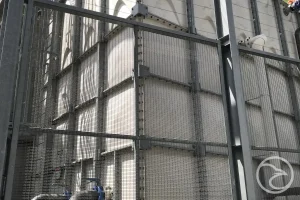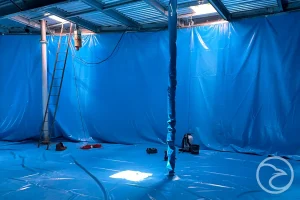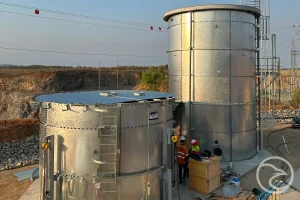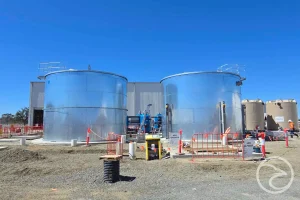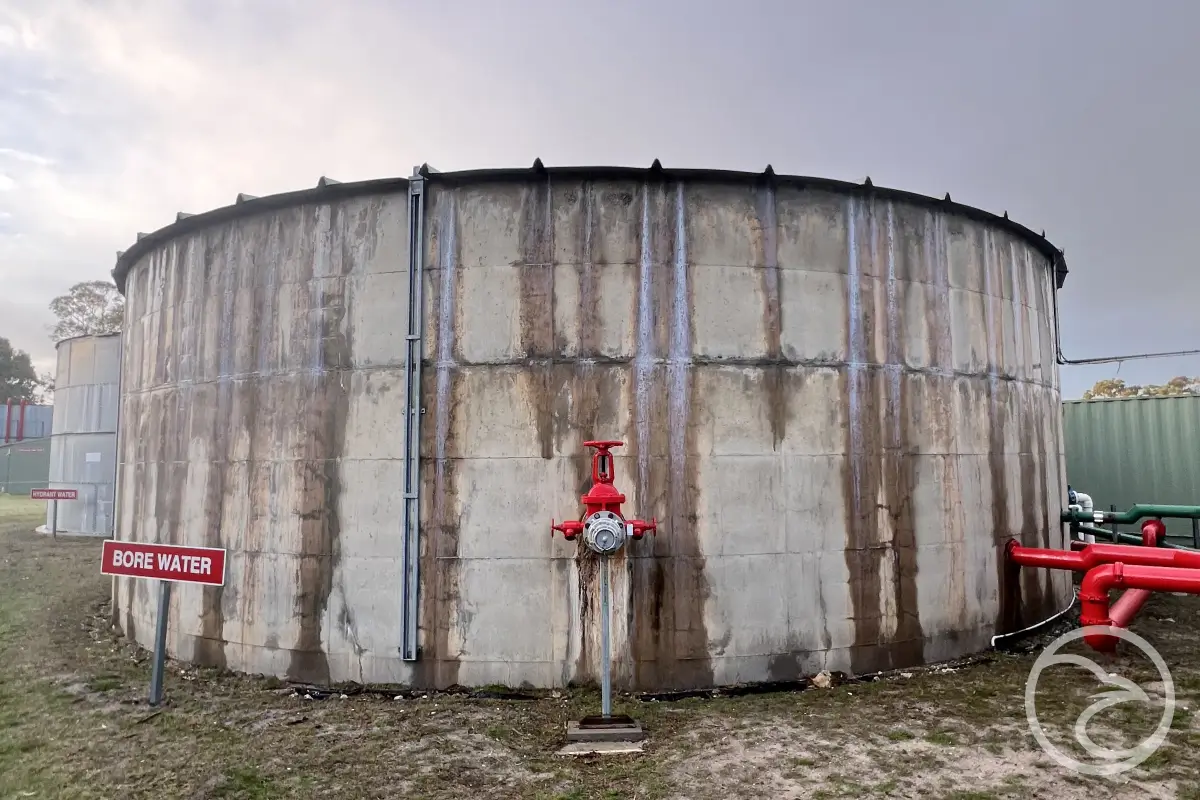
Fire water tanks operate in changing environmental conditions every day. Over time, weather exposure can affect structural integrity and system performance. Environmental stress develops gradually. Small problems often become more serious without proper monitoring.
Heat, moisture, UV exposure, and storms all affect tank durability. Both steel and concrete tanks experience weather-related deterioration.
Understanding environmental risks supports effective fire tank maintenance.
UV Exposure and Surface Deterioration
Constant sunlight exposure affects external tank surfaces over time. UV radiation gradually weakens protective coatings and paint systems. Surface protection helps isolate metal from moisture and oxygen. Damaged coatings increase corrosion risks significantly.
Common signs of UV-related deterioration include:
- faded paint
- peeling coatings
- cracked surfaces
- cracked surfaces
- dry protective layers
Steel tanks are especially vulnerable to coating damage. Once protective layers weaken, corrosion develops more easily. High UV exposure also increases surface temperatures. This may accelerate material aging and deterioration.
Older tanks often show uneven surface fading. Damaged coatings should be monitored carefully.
You can learn more in common causes of fire tank corrosion.
Temperature Changes and Material Expansion
Fire water tanks expand and contract during temperature changes. Repeated movement places stress on structural components.
Thermal expansion affects:
- wall panels
- welded joints
- pipe connections
- support structures
- roof sections
Hot daytime temperatures may increase pressure inside the tank. Cool nighttime conditions create contraction afterward. Repeated movement gradually weakens some materials. Older tanks become more vulnerable over time.
Several environmental conditions increase stress:
- extreme heat
- freezing temperatures
- sudden weather changes
- prolonged hot climates
Temperature-related movement sometimes creates small cracks or leaks. Pressure imbalance may also affect system stability. Steel tanks usually react faster to temperature fluctuations. Concrete tanks may develop surface cracking instead.
Monitoring structural condition helps reduce weather-related deterioration.
Rain and Constant Moisture Exposure
Rain and moisture exposure contribute to long-term tank deterioration. Wet conditions accelerate corrosion and material fatigue. Water may collect around the tank base after heavy rainfall. Poor drainage worsens this problem significantly.
Several moisture-related issues include:
- standing water
- wet foundations
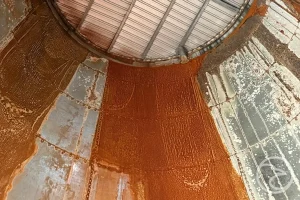
- rust formation
- mold growth
- surface corrosion
Moisture trapped near structural supports creates additional risks. Corrosion often develops faster in these areas. Humid climates increase exposure even further. Condensation may also form on external tank surfaces.
Repeated moisture exposure weakens protective coatings gradually. This leaves steel surfaces more vulnerable.
Coastal Environments and Salt Exposure
Coastal areas create additional environmental challenges for fire tanks. Salt exposure accelerates metal deterioration significantly. Salt particles in the air settle on tank surfaces continuously. This increases corrosion activity over time.
Several components become vulnerable in coastal environments:
- external panels
- joints
- bolts
- pipe fittings
- roof structures
Salt exposure weakens protective coatings faster than normal conditions. Even small coating damage may lead to rapid corrosion. High humidity near coastal regions increases moisture retention. This creates a more aggressive environment for steel surfaces.
Tanks located near the ocean usually require closer monitoring. Environmental exposure may shorten material lifespan.
Regular observation helps reduce severe corrosion risks.
Storm Damage and Strong Winds
Storms place sudden stress on fire water tank structures. Strong winds may affect stability and external components.
Storm-related damage sometimes includes:
- roof damage
- loose panels
- debris impact
- damaged fittings
- weakened supports
Flying debris may scratch or damage protective coatings. Exposed metal surfaces become more vulnerable afterward. Heavy storms can also affect surrounding foundations. Flooding may weaken soil stability around the tank.
Strong winds sometimes create vibration or movement. This may increase structural stress on older systems. Roof sections and access points require close monitoring after storms. Minor damage may lead to larger structural issues later.
You can learn more in signs of structural damage in fire tanks.
How Weather Affects Water Quality
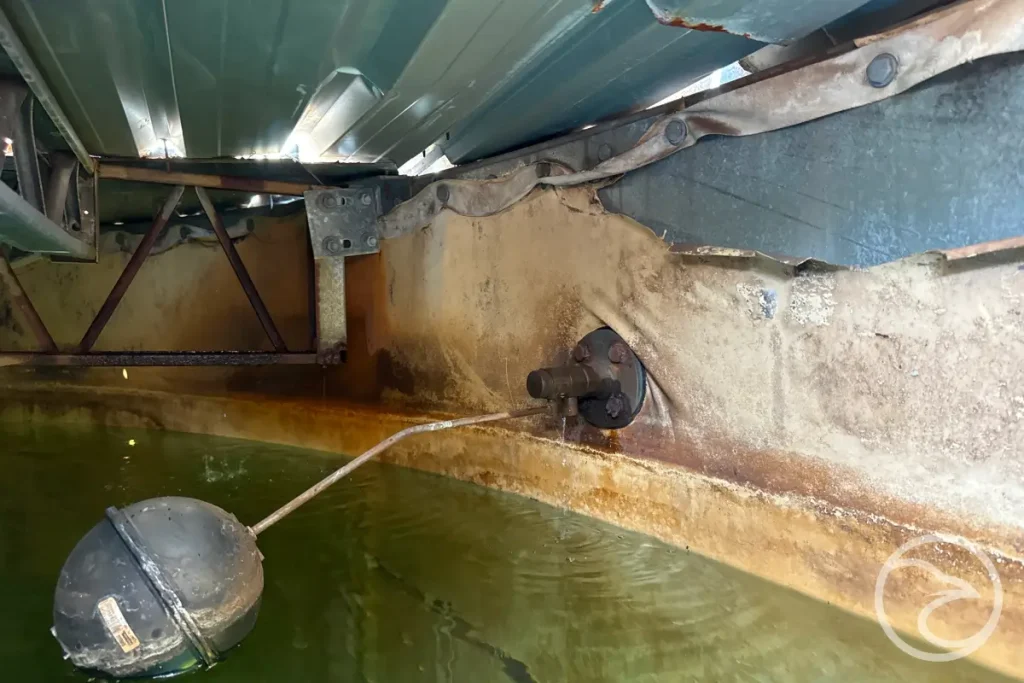
Weather conditions also affect internal water quality. Temperature changes may alter water conditions over time.
Several weather-related water quality issues include:
- algae growth
- stagnant water
- contamination
- increased sediment
- organic debris
Warm temperatures often encourage biological growth inside the tank. Poor circulation may worsen these conditions. Storms can introduce debris through damaged openings or covers. Heavy rainfall sometimes affects nearby drainage conditions as well.
Contaminated water may increase internal corrosion risks. System performance can also decline gradually. Seasonal changes may affect water stability throughout the year. Long periods of heat increase water quality concerns further.
Reducing Weather-Related Damage Risks
Weather exposure cannot be avoided completely. However, preventive action helps reduce long-term deterioration.
Several strategies improve environmental protection:
- monitor coatings regularly
- improve site drainage
- protect exposed surfaces
- inspect after storms
- respond to early warning signs
Protective coatings should remain in good condition. Damaged areas should be addressed quickly. Facilities in harsh environments often require closer monitoring. Coastal and high-temperature regions face higher risks.
Environmental conditions should always be considered during maintenance planning. Ignoring weather-related deterioration increases structural risks. Understanding warning signs also helps prevent larger problems. You can learn more in signs your fire water tank needs maintenance.