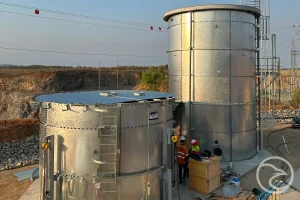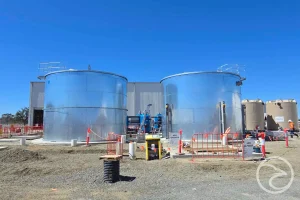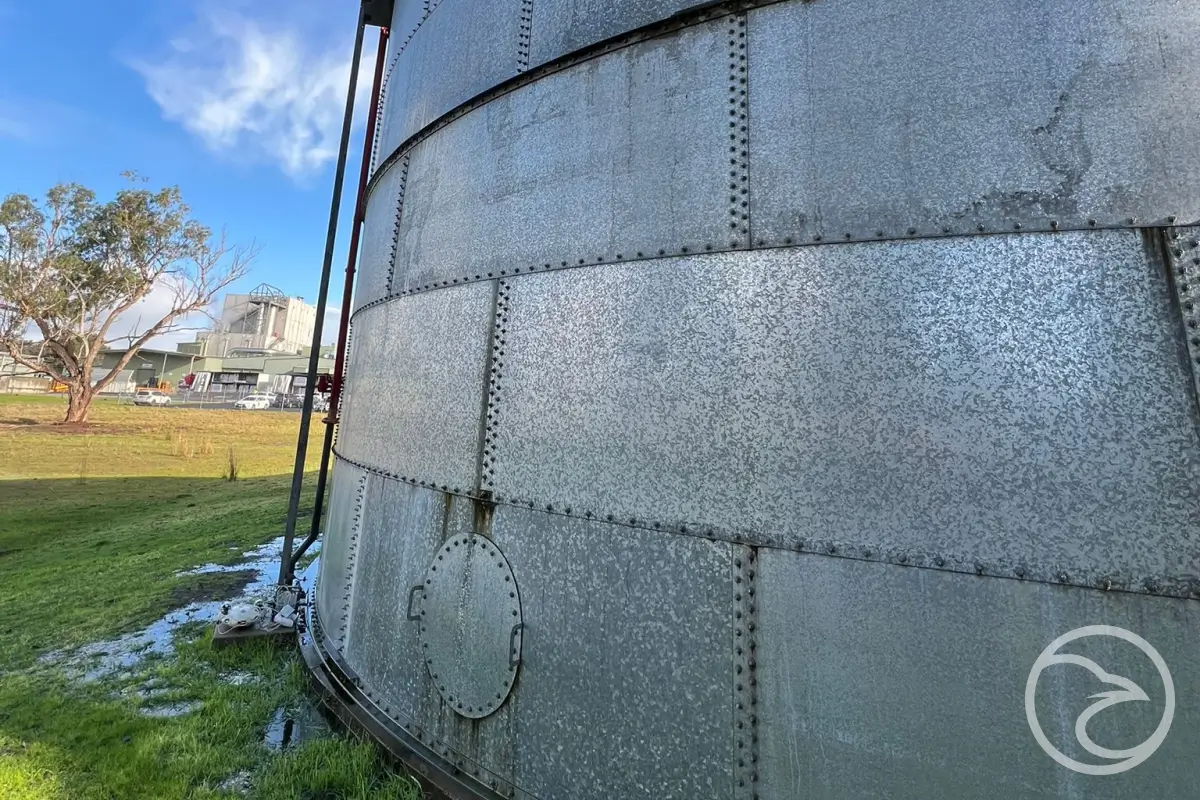
Fire sprinkler systems depend on a reliable water supply. A fire water tank plays an important role in maintaining that supply. A leak can reduce stored water levels and affect the condition of the tank. Some leaks are immediately visible, while others develop slowly.
Water around the tank does not always reveal exactly where the problem started. Leaks can develop around joints, panels, liners, fittings, penetrations, or deteriorated structural areas.
Effective fire tank leak detection therefore involves more than finding visible water. It requires identifying the source, understanding the cause, and assessing the surrounding tank condition.
This guide explains common causes of fire tank leaks, warning signs, detection methods, and possible next steps.
Why Fire Tank Leaks Should not be Ignored
A small leak can appear relatively minor during normal operation. However, a fire water tank is different from an ordinary storage tank. Its stored water supports the building’s fire protection system.
Ongoing water loss can reduce available storage if the problem is not identified. A leak can also indicate deterioration elsewhere within the tank. For example, water escaping through a panel joint may indicate a failed seal.
Leakage through a damaged liner may point to a puncture, seam failure, or deterioration around a fitting. Water around a steel component can also be associated with corrosion. The visible leak is therefore often a symptom rather than the complete problem.
Early investigation helps establish what is happening before deciding how it should be addressed.
What Causes a Fire Water Tank to Leak?
There is no single cause of fire tank leakage. The source depends on the tank construction, age, condition, and previous maintenance. Several problems are commonly associated with water loss.
Deteriorated Seals and Joints
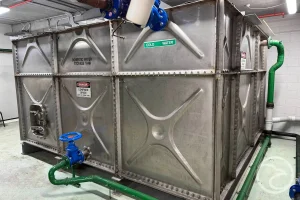
Panel tanks contain numerous connections between individual components. Seals help maintain water containment across these joints. Over time, sealing materials can deteriorate.
Movement, ageing, installation condition, and environmental exposure can also affect their performance. A failed joint may produce visible moisture or a steady leak.
However, water can travel before becoming visible externally. The wet area may therefore not identify the exact source.
Corrosion
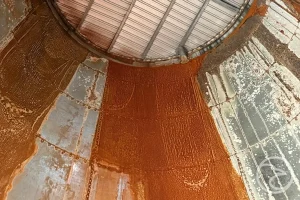
Steel components can corrode when protective systems deteriorate. Moisture and environmental exposure can accelerate this process. Early corrosion may only affect the surface.
More advanced deterioration can result in material loss and eventual leakage. Corrosion around bolts, joints, lower panels, or fittings deserves particular attention.
The surrounding area should also be assessed. Repairing the visible leak alone may not address broader corrosion.
Damaged Eire Tank Liners
Some fire water tanks use an internal liner as the primary containment barrier. A liner can develop damage through ageing, mechanical contact, installation issues, or deterioration around fittings.
Potential liner problems include:
- punctures;
- tears;
- seam damage;
- material deterioration;
- damage around penetrations;
- separation;
- local wear.
A damaged liner can allow water to escape into areas between the liner and tank structure. This can make the source difficult to locate from outside.
Problems Around Fittings and Penetrations
Every opening through the tank requires appropriate sealing.
These areas can include:
- outlets;
- inlets;
- drains;
- overflows;
- level connections;
- other penetrations.
Leakage around a fitting does not always mean the fitting itself has failed. The liner, gasket, seal, connection, or surrounding material may be involved. Accurate leak detection helps distinguish between these possibilities.
Concrete Cracking
Concrete fire water tanks can develop cracks during their service life. Not every crack allows water to escape. However, some cracks can become pathways for leakage.
The crack location, width, pattern, and surrounding condition should be considered. Repeated leakage from a repaired crack may justify further investigation.
Previous Repairs
An older repair can become a new leak location. Sealants can deteriorate. Patches may separate. Corrosion can continue around repaired steel. A liner repair can also fail if the original cause was not addressed.
Previous repair locations should therefore form part of the investigation.
Common Signs of a Fire Tank Leak
Visible flowing water is the clearest sign of leakage. Many fire tank leaks are less obvious.
Recognising secondary signs can help identify a developing problem earlier.
Unexpected Water Level Changes
An unexplained reduction in stored water can indicate leakage. The change should be considered alongside normal system operation and other possible water use.
Repeated unexplained reductions deserve investigation.
Wet Areas Around the Tank
Persistent moisture around the base can indicate escaping water. The actual source may be higher than the visible wet area.
Water can move down external surfaces or through structural components before collecting below.
Corrosion or Staining
Rust staining can indicate repeated moisture exposure. Staining around joints, bolts, fittings, or panels can help identify areas requiring closer examination.
However, staining alone does not confirm an active leak.
Damp Concrete
For concrete tanks, persistent damp areas can indicate water movement through the structure. The surrounding surface should be examined for cracking or deterioration.
Repeated Top-Up Requirements
A tank requiring unexplained or increasingly frequent top-ups may be losing water. Records can help identify changes in this pattern.
A gradual increase may be easier to recognise through historical data than daily observation.
Leakage Around Fittings
Moisture around outlets, drains, and other penetrations can indicate a sealing problem. These locations should be examined carefully.
The visible water should not automatically be assumed to originate from the nearest connection.
How is Fire Tank Leak Detection Carried out?
The appropriate detection method depends on the tank and suspected problem. There is no single method suitable for every situation.
Investigation often begins with available evidence.
Visual Inspection
Visual assessment can identify obvious leakage and surrounding deterioration.
Areas of interest may include:
- panel joints;
- bolts;
- seams;
- fittings;
- penetrations;
- tank base;
- external walls;
- previous repairs;
- visible corrosion.
Water tracks can sometimes help identify the direction of movement. However, visual inspection has limitations. A leak inside a lined tank may not be directly visible from outside.
Professional fire tank inspections can help determine whether visible leakage is an isolated problem or a sign of broader tank deterioration.
Water Level Monitoring
Changes in water level can provide useful information. Monitoring can help determine whether unexplained water loss is continuing.
This is particularly useful when external leakage is not obvious. Water level changes must still be interpreted in the context of normal system operation.
Internal Inspection
Some leaks require examination from inside the tank. Internal assessment can reveal conditions that are hidden externally.
These may include damaged liners, internal corrosion, deteriorated seams, or problems around penetrations. Access requirements depend on the tank and inspection method.
Where access is difficult, UAV tank inspection can help assess roofs, external surfaces, joints, and other areas for visible signs of deterioration or leakage.
Inspection of Tank Liners
Where a liner provides containment, its condition becomes a key part of leak detection. Inspection may focus on seams, fittings, corners, penetrations, and areas exposed to mechanical stress.
Visible damage should be documented. The surrounding area should also be checked to determine whether another condition contributed to the failure.
Testing Suspected Areas
Where visual evidence is insufficient, suspected areas may require more targeted testing. The appropriate method depends on tank construction and the suspected leak source.
The objective is to narrow down the location before repair work begins. This reduces the risk of treating the wrong area.
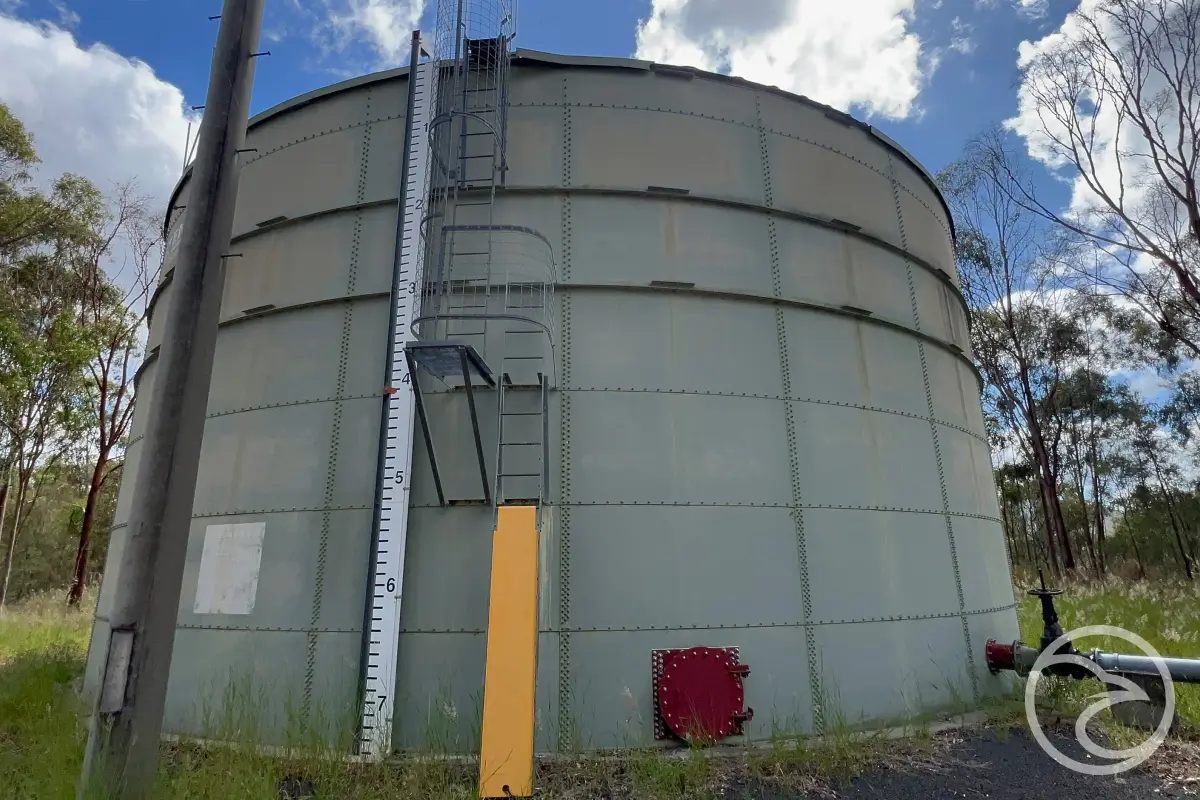
Fire Sprinkler Leak or Fire Tank Leak?
This distinction is important. A fire sprinkler leak does not necessarily originate from the fire water tank. The wider fire protection system contains many components.
Water loss can potentially occur in pipework, valves, sprinkler components, connections, or the storage tank. The first task is therefore identifying which part of the system is affected. Water observed near the tank may suggest a tank problem.
However, assumptions should be avoided until the source is confirmed. Likewise, falling tank levels can indicate water loss without immediately identifying where that water is escaping.
Understanding the location helps determine which specialist assessment is required.
What Causes Fire Sprinkler System Leaks?
Fire sprinkler leaks can have causes unrelated to the storage tank. Pipework and system components can deteriorate or become damaged. Potential causes can include corrosion, damaged connections, mechanical impact, ageing components, or seal deterioration.
Freezing can also affect water-filled pipework in environments where temperatures fall sufficiently. The source should be confirmed before repairs are planned. This is particularly important when water loss is initially noticed through changing tank levels.
The tank itself may remain sound while another system component is leaking. Conversely, the sprinkler system may appear normal while the storage tank loses water independently.
How do You Tell where the Water is Coming From?
Leak location can sometimes be misleading. Water follows gravity, surfaces, joints, and available pathways. The point where water becomes visible may therefore differ from the point where containment failed.
For example, water can escape behind a liner and travel before appearing externally. It can also move along a panel joint. The investigation should follow the evidence rather than only the visible wet area.
Useful information can include:
- location of visible water;
- water level history;
- previous repairs;
- corrosion patterns;
- staining;
- condition of seals;
- liner condition;
- nearby fittings;
- changes during monitoring.
Combining these observations can help narrow the investigation.
What Should You do if a Fire Tank is Leaking?
A suspected leak should first be documented. Record where water is visible and when it was first noticed. Photographs can help track changes.
Available water-level records can also provide useful information. Avoid assuming that the first visible defect is the source. The next priority is determining where the water is escaping and what has caused the problem.
A useful process generally involves:
- documenting the visible leak;
- reviewing water-level changes;
- examining accessible tank areas;
- identifying likely leak locations;
- assessing surrounding deterioration;
- confirming the cause where possible;
- determining an appropriate repair strategy.
Fire protection implications should also be considered under applicable site procedures and requirements.
Can a Leaking Fire Tank be Repaired?
Many fire tank leaks can potentially be repaired. However, the appropriate response depends on the cause and overall tank condition. A failed seal may require a different repair from a damaged liner.
Local corrosion requires different consideration from widespread panel deterioration.
Possible responses can include:
- seal or joint repairs;
- fitting repairs;
- local liner repairs;
- liner replacement;
- corrosion remediation;
- panel repairs;
- concrete repairs;
- broader tank refurbishment.
The leak should not be considered separately from the condition that caused it. A successful repair needs to address both.
Once the source and extent of leakage are confirmed, professional fire tank repairs can address damaged joints, liners, panels, fittings, and other affected components.
When is a Tank Liner Relevant?
A liner can be particularly relevant when the tank structure remains serviceable but containment has deteriorated. For example, an ageing internal surface may no longer provide reliable water retention. A new liner can create a separate containment barrier.
Existing liners can sometimes be repaired when damage is limited. Widespread deterioration may make replacement more appropriate. Before choosing either option, the tank and existing liner should be assessed.
Important factors include liner age, material condition, damage location, fittings, and previous repairs. Where a tank liner is present, a fire water tank liner inspection guide can help identify damage, deterioration, or defects that may be contributing to water loss.
Repair or Replacement: how is the Decision Made?
A leak does not automatically mean a fire tank needs replacement. The decision depends on the extent and nature of deterioration. Localised problems may be repairable.
More widespread deterioration may require refurbishment or relining. Complete replacement may become relevant when the supporting structure can no longer provide suitable service.
Factors to consider include:
- structural condition;
- corrosion extent;
- number of leak locations;
- liner condition;
- panel condition;
- previous repairs;
- recurring leakage;
- expected remaining service life.
The history of the tank is particularly valuable. Repeated failures can indicate that isolated repairs are no longer addressing the wider condition.
Discover how tank condition, repair costs, and expected service life influence your decision in our fire tank refurbishment vs replacement article.
Signs a Sprinkler Tank may need More than a Local Repair
Some conditions suggest that the problem extends beyond one leak. These do not automatically mean replacement is required. They indicate that the overall tank condition deserves closer assessment.
Warning signs can include:
- leaks appearing in multiple areas;
- widespread corrosion;
- repeated joint failures;
- extensive liner deterioration;
- significant structural damage;
- recurring leaks after repairs;
- deterioration around multiple fittings;
- frequent unexplained water loss.
A broader condition assessment can then determine whether repair, relining, refurbishment, or replacement is appropriate.
Why Leak Records Matter
Leak history provides valuable information about how a fire water tank is changing. One isolated incident may have a straightforward cause. Several incidents in the same area can indicate a recurring problem.
Records should include the location, date, photographs, repair method, and subsequent observations. Water-level records can also be useful. Over time, this information can reveal patterns that are difficult to identify from one inspection.
It also provides context for future maintenance decisions.
Preventing Recurring Fire Tank Leaks
Not every leak can be predicted. However, condition monitoring can help identify deterioration before it becomes more extensive. Attention should be given to known problem areas and previous repairs.
Tank joints, fittings, liners, coatings, and corrosion-prone areas may require ongoing observation. Changes should be documented rather than relying on memory. Previous inspection reports can provide useful comparison points.
Maintenance should also address the underlying cause of deterioration where possible. Repeatedly sealing the same area without understanding why it fails can lead to recurring problems.
Regular inspection and maintenance are also important for compliance, as explained in our AS 1851 Compliance Requirements guide for fire water storage systems.
Fire Tank Leak Detection is about Finding the Cause
The visible leak is only one part of the investigation. Effective fire tank leak detection aims to identify where containment has failed and why. This distinction matters because different causes require different responses.
A leaking joint, damaged liner, corroded panel, cracked concrete surface, and failed fitting cannot be treated in the same way. The wider fire sprinkler system should also be considered when the leak source is uncertain. Water loss does not automatically confirm a tank failure.
Accurate identification helps avoid unnecessary repairs and supports better maintenance decisions. Most importantly, it allows the condition of the fire water storage system to be understood before the problem progresses.