Fire water tanks support the performance of fire protection systems. Poor tank condition can reduce reliability during emergencies. Many issues develop slowly over time. Small warning signs often become expensive structural problems.
Regular monitoring helps prevent system failure, corrosion, and water contamination. It also improves the long-term performance of fire protection infrastructure.
Understanding early warning signs is an important part of fire tank maintenance.
Visible Corrosion on Tank Surfaces
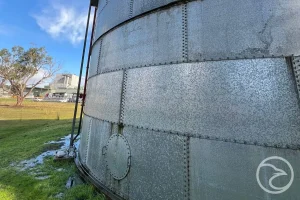
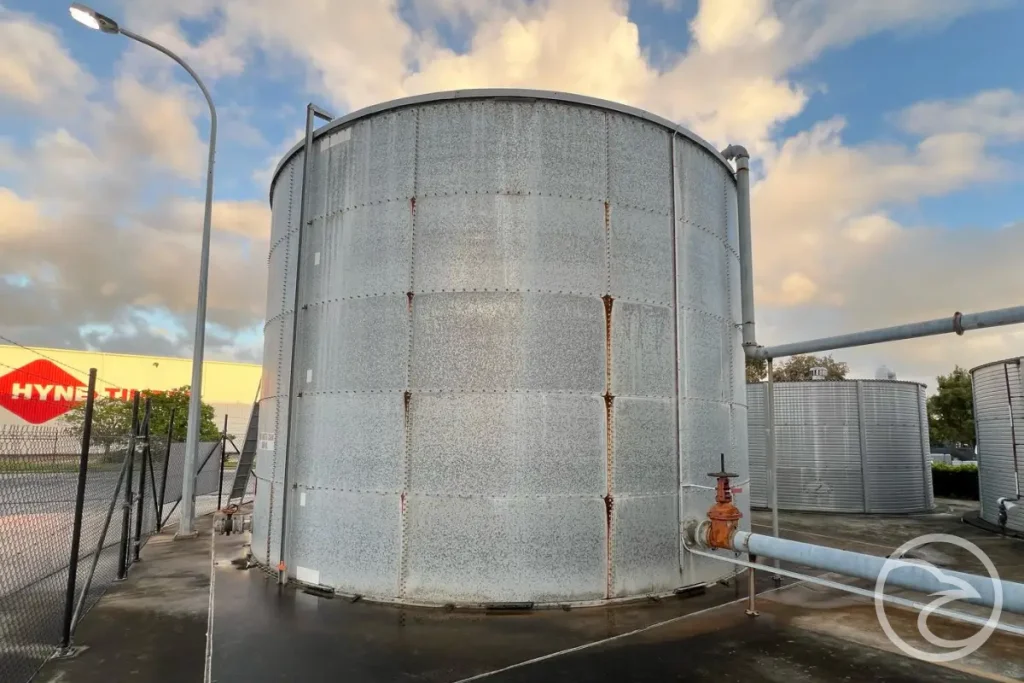
Corrosion is one of the most common fire tank problems. It can affect both steel and galvanized tanks. Rust often appears gradually. Many facility owners notice the damage too late.
Common signs of corrosion include:
- rust stains
- bubbling paint
- coating damage
- discoloration
- rough metal surfaces
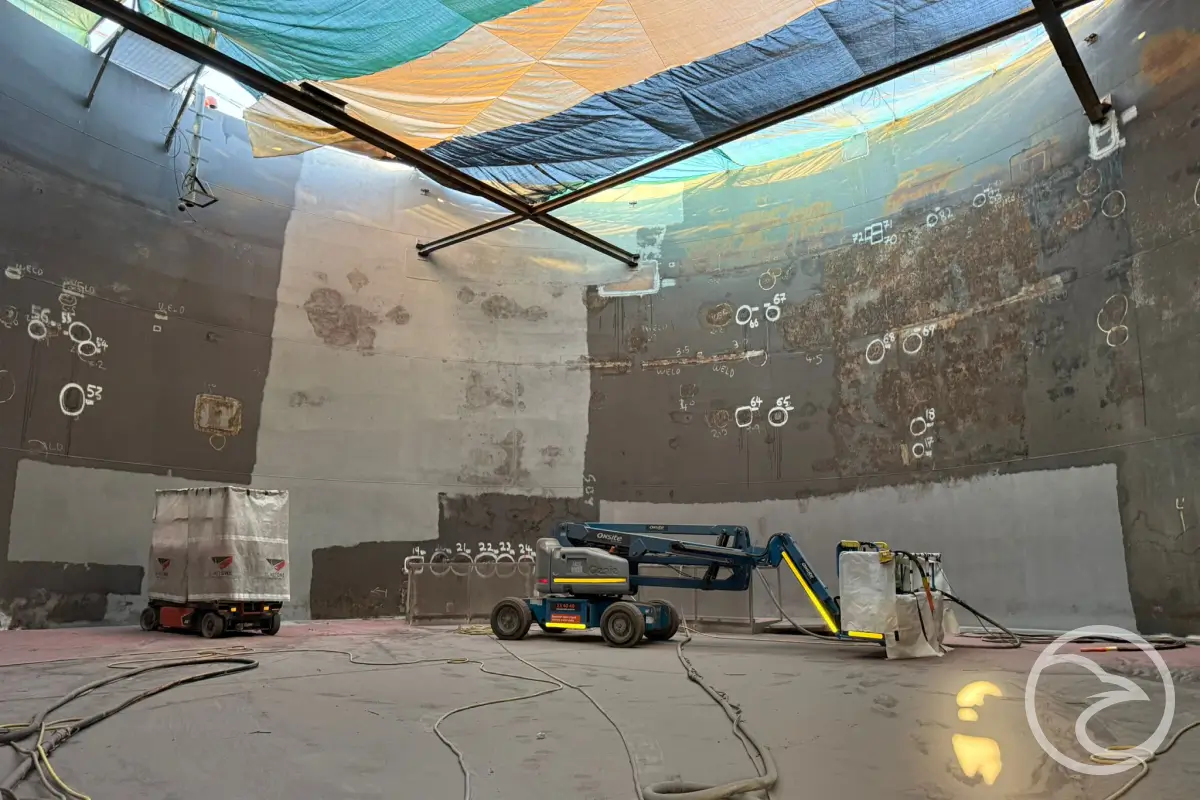
External corrosion is easier to identify. Internal corrosion may remain hidden for years. Moisture, poor ventilation, and changing temperatures increase corrosion risks. Water quality also affects metal deterioration.
Corrosion can weaken tank walls and joints over time. This may eventually lead to leaks or structural instability.
You can learn more in common causes of fire tank corrosion.
Water Leaks Around the Tank
Water leaks are another serious warning sign. Even small leaks may indicate larger structural problems.
Leaks often develop near:
- pipe connections
- panel joints
- valves
- fittings
- tank bases
Some leaks remain difficult to notice at first. Others create visible puddles around the tank.
Watch for these signs:
- damp concrete
- wet soil
- unexplained water loss
- pressure fluctuations
- mold near the tank area
Ignoring leaks may increase corrosion and weaken surrounding structures. Water loss can also affect emergency system readiness. In some cases, leaks appear after temperature changes or heavy rainfall. Older tanks are especially vulnerable to joint deterioration.
Consistent monitoring helps identify problems before major damage occurs.
Changes in Water Quality
Water quality problems often indicate poor internal tank conditions. Contaminated water may affect system performance and reliability.
Several issues can reduce water quality over time:
- sediment build-up
- stagnant water
- bacterial growth
- organic debris
- internal corrosion particles
You may notice:
- cloudy water
- unusual odor
- discoloration
- floating debris
Poor water quality can accelerate internal tank deterioration. It may also affect pumps and connected fire systems. Environmental exposure increases contamination risks. Openings, damaged covers, and poor sealing allow debris into the tank.
Water stagnation becomes more common in poorly maintained systems. This often creates unpleasant odors and bacterial growth.
Learn more in why water quality matters in fire tanks.
Structural Damage and Deformation
Structural damage can reduce tank stability and safety. Many problems begin with small surface changes.
Common signs include:
- cracked panels
- bent walls
- foundation movement
- loose supports
- uneven surfaces
Tank deformation may develop because of pressure changes or corrosion. Extreme weather can also affect structural integrity. Steel tanks sometimes show outward bulging. Concrete foundations may crack or shift over time.
Structural problems should never be ignored. Minor damage can quickly become a serious safety risk. Visible movement around joints often indicates internal stress. Unusual vibrations may also signal structural instability.
You can explore this topic further in signs of structural damage in fire tanks.
Reduced Fire System Performance
Tank problems often affect the performance of connected fire systems. Reduced efficiency may remain unnoticed during normal operations.
Common performance issues include:
- unstable pressure
- inconsistent water flow
- delayed water delivery
- reduced pump efficiency
Poor tank condition can interfere with emergency response readiness. This creates additional risks for commercial and industrial facilities. Sediment and corrosion may block system components. Leaks can reduce available water capacity.
Pressure instability sometimes develops gradually. Operators may only notice problems during system testing. Neglected tanks place extra strain on pumps and valves. This may increase equipment wear.
You can read more in how poor fire tank maintenance affects system performance.
Unusual Noises or Vibrations
Unusual sounds often indicate developing mechanical problems. Many facilities ignore these warning signs initially.
Common examples include:
- vibrating pipes
- rattling fittings
- loud pump noises
- pressure surges
- banging sounds
These issues may result from pressure imbalance or loose connections. Air entering the system can also create unusual noise. Vibrations sometimes increase during pump operation. This may signal flow restrictions or unstable pressure levels.
Mechanical stress can damage pipes and fittings over time. Early investigation helps prevent larger failures.
Operators should monitor changes in normal operating conditions carefully.
How to Prevent Serious Fire Tank Problems
Preventive action helps reduce maintenance risks and system downtime. Small issues are easier to manage than major structural failures.
Several practices improve tank condition:
- monitor visible surfaces regularly
- check for leaks
- protect tanks from weather exposure
- maintain water quality
- respond quickly to warning signs
Environmental conditions should also be considered carefully. Heat, moisture, and UV exposure accelerate deterioration. Facilities with older tanks should increase monitoring frequency. Aging infrastructure often develops hidden problems.
Preventive planning supports long-term system reliability. It also reduces emergency repair costs. Understanding maintenance timing is equally important.