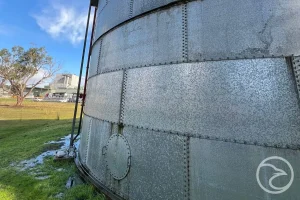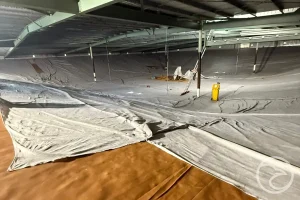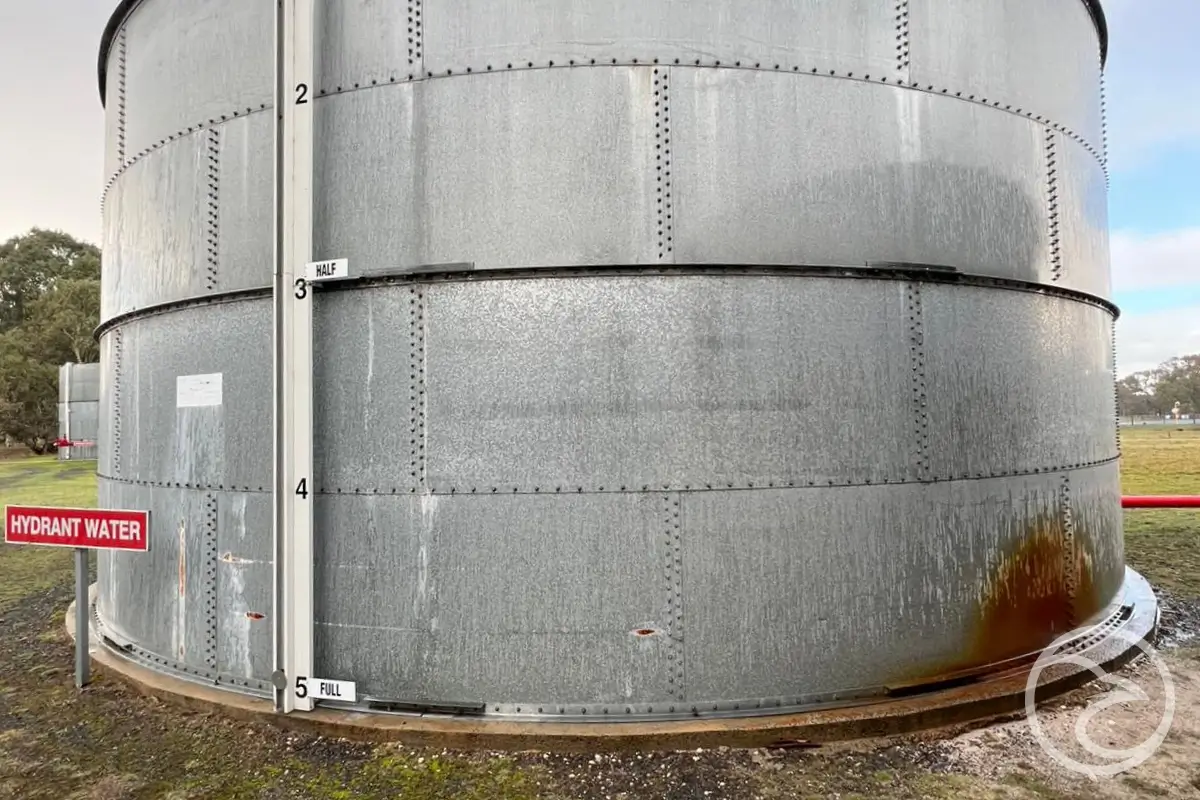
Fire water tanks must remain structurally stable during emergency situations. Even small structural problems can reduce system reliability over time. Damage often develops gradually. Many issues remain unnoticed until serious deterioration appears.
Environmental exposure, corrosion, and pressure stress all affect tank condition. Older tanks usually face higher structural risks.
Understanding early warning signs supports effective fire tank maintenance.
Visible Cracks on Tank Surfaces
Cracks are one of the clearest signs of structural deterioration. They may appear on tank walls, joints, or foundations. Some cracks remain small for long periods. Others expand quickly under pressure changes.
Common locations for cracking include:
- concrete foundations
- wall panels
- welded joints
- pipe connections
- support areas
Steel and concrete tanks show damage differently. Steel tanks may develop split seams or weakened joints. Concrete structures often show surface cracking first. Moisture may enter through damaged areas over time.
Cracks can allow water leakage and internal corrosion. This gradually weakens surrounding materials. Corrosion-related damage often contributes to cracking. You can learn more in common causes of fire tank corrosion.
Water Leaks and Moisture Around the Tank
Leaks commonly indicate developing structural problems. Water escaping from the tank can damage nearby surfaces and supports. Small leaks often appear before major failures develop. Ignoring them increases long-term deterioration risks.
Watch for these warning signs:
- puddles near the tank
- damp concrete
- wet soil
- mold growth
- unexplained water loss
Leaks may develop around:
- joints
- valves
- damaged panels
- weakened seals
Pressure changes sometimes worsen existing leaks. Temperature fluctuations can also stress weak connections. Moisture around the tank increases corrosion risks further. This creates a cycle of ongoing structural deterioration.
Persistent leaks should never be ignored. They may indicate deeper structural instability.
Tank Wall Deformation or Bulging
Tank walls should maintain a stable shape during operation. Visible deformation often signals structural stress.
Bulging walls may indicate:
- pressure imbalance
- weakened panels
- metal fatigue
- support failure
- internal deterioration
Wall deformation usually develops gradually. Changes may become more noticeable over time. Steel tanks are especially vulnerable to pressure-related movement. Corrosion can weaken wall strength significantly.
Bulging panels place extra stress on surrounding connections. This may eventually increase leak risks. Some tanks also develop uneven surfaces or warped sections. These problems may affect operational stability.
Poor system condition can reduce overall reliability. You can explore this further in how poor fire tank maintenance affects system performance.
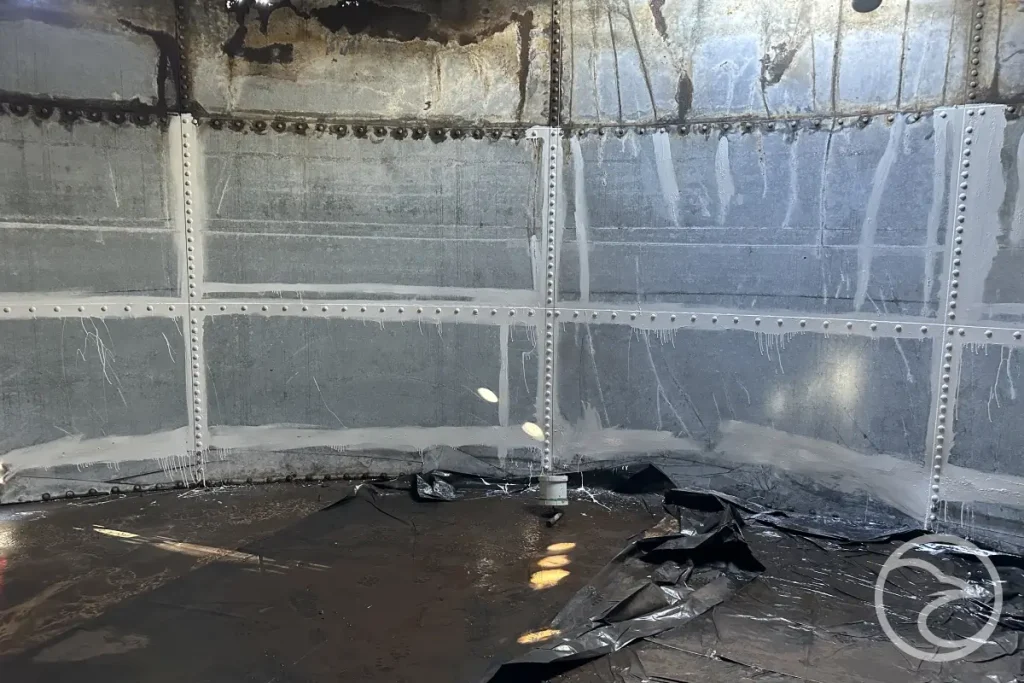
Corrosion Around Structural Components
Corrosion weakens important structural elements over time. This often affects joints, supports, and fasteners first.
Several corrosion warning signs include:
- rust near bolts
- damaged coatings
- flaking metal
- surface pitting
- weakened supports
Structural corrosion may spread beneath protective coatings. Visible rust sometimes represents deeper hidden damage. Older tanks frequently experience corrosion around welded joints. Moisture exposure increases deterioration in these areas.
Corrosion can reduce the strength of critical components. This may eventually affect tank stability. Support structures also require close monitoring. Weak supports increase pressure on surrounding materials.
Uneven Foundations or Tank Movement
Stable foundations are essential for structural safety. Movement beneath the tank can create serious long-term problems.
Several conditions may affect foundation stability:
- soil erosion
- poor drainage
- ground movement
- water accumulation
- uneven settling
Tank bases should remain level during operation. Visible tilting may indicate foundation problems. Cracks sometimes develop because of shifting support conditions. Uneven pressure distribution can stress tank walls.
Foundation movement often worsens after heavy rainfall. Poor site drainage increases erosion risks further. Older infrastructure may become more vulnerable over time. Support materials gradually weaken under repeated stress.
Any visible tank movement should be assessed carefully.
Unusual Vibrations or Noises
Structural strain sometimes creates unusual sounds or vibrations. These warning signs often indicate developing instability.
Common examples include:
- rattling pipes
- vibrating panels
- banging sounds
- loose fittings
- pressure surges
Vibrations may result from pressure imbalance inside the system. Weak supports can also increase structural movement. Some noises occur during pump operation only. Others continue throughout normal system activity.
Loose structural components may worsen over time. Repeated vibration increases wear on joints and fasteners. Unusual operating conditions should always be monitored carefully. Early detection helps prevent larger structural failures.
Why Early Structural Repairs Matter
Small structural issues often become severe problems later. Early action helps reduce repair costs and operational risks. Preventive repairs improve long-term tank performance. They also support emergency system reliability.
Several benefits of early intervention include:
- reduced corrosion spread
- improved structural stability
- lower repair costs
- better system performance
- longer tank lifespan
Ignoring warning signs increases the likelihood of major failures. Structural damage rarely improves without intervention. Facilities should monitor tank condition consistently. Regular observation helps identify developing problems earlier.
Understanding early warning signs is equally important. You can learn more in signs your fire water tank needs maintenance.