Industrial water storage systems are designed for long-term use in demanding environments. However, even the most robust tanks and reservoirs depend on consistent operational care to remain reliable. While major inspections and repairs often receive attention, everyday maintenance tasks are frequently overlooked — despite their significant impact on performance, water quality, and asset lifespan.
Understanding these routine maintenance activities helps facility operators prevent gradual system decline and avoid unexpected operational disruptions.
Why Operational Maintenance Matters
Unlike corrective maintenance, which responds to visible issues, operational maintenance focuses on prevention. Small inefficiencies — such as sediment accumulation, restricted flow paths, or degraded access components — can quietly reduce system effectiveness over time.
Industrial facilities often rely on stored water for cooling, processing, cleaning, or emergency readiness. When maintenance tasks are postponed or simplified, the system may still appear functional, but underlying conditions can steadily worsen.
Routine Tasks that Support System Reliability
Visual Condition Monitoring
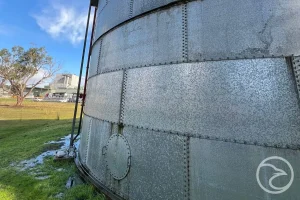
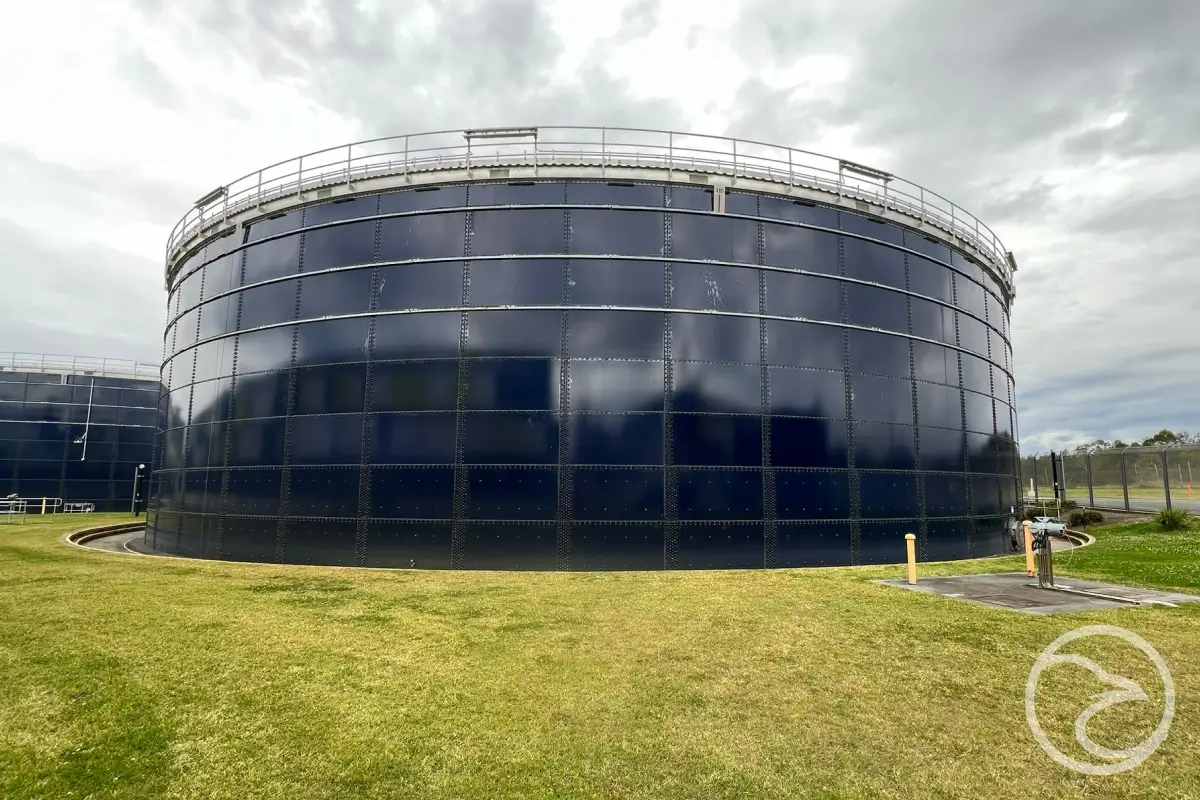
Regular visual checks of tank exteriors, bases, and surrounding infrastructure help identify early warning signs. Corrosion patterns, moisture staining, joint movement, or surface deformation often indicate developing issues that are easier to address when caught early.
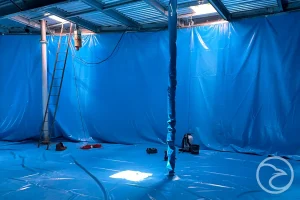
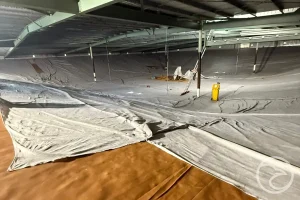
Interior condition awareness is equally important, especially for tanks storing process or potable water. Changes in internal surfaces, sediment layers, or water clarity can signal maintenance needs long before performance is affected.
Sediment and Debris Management
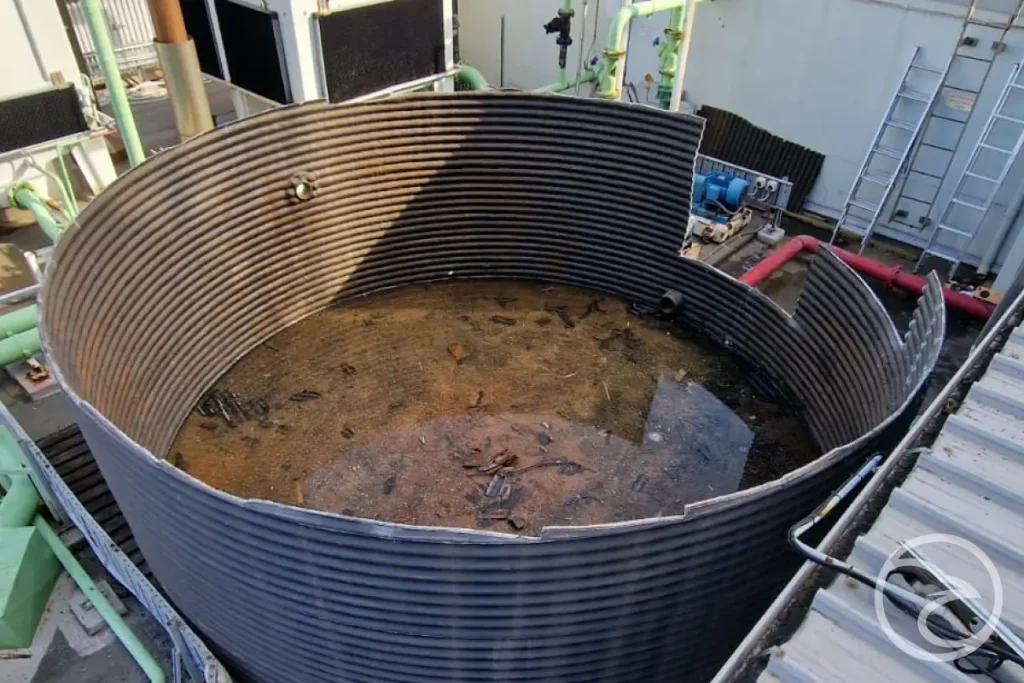
Sediment build-up is a common operational issue in industrial water storage systems. Over time, accumulated debris reduces effective storage volume, interferes with outlets, and creates conditions that accelerate material degradation.
Routine sediment management helps maintain consistent system capacity and supports stable water quality. Facilities that implement scheduled sediment control often experience fewer downstream operational problems.
Access and Component Upkeep
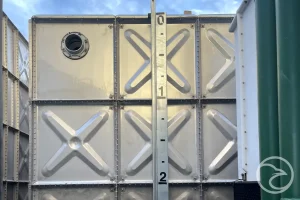
Ladders, walkways, access hatches, vents, and inlet/outlet connections play a critical role in safe and efficient operation. These components are frequently exposed to weather, vibration, and environmental stress.
Operational maintenance should include checking seals, fasteners, protective coatings, and structural attachments. Ensuring that access components remain functional reduces safety risks and simplifies future maintenance activities.
Water Quality Considerations in Daily Operations
Even when water is not intended for direct consumption, quality stability matters. Stagnation zones, temperature fluctuations, and biological growth can develop without visible indicators.
Operational practices such as controlled circulation, periodic flushing, and internal cleanliness checks help preserve consistent water conditions. These measures also reduce the likelihood of unexpected system interventions later.
Environmental and Site-Specific Factors
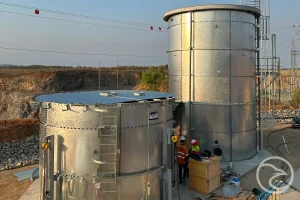
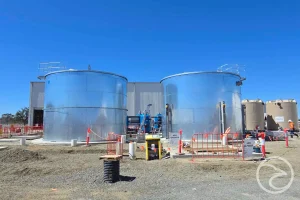
Industrial water storage systems are often exposed to challenging environments — including heat, humidity, chemical exposure, or airborne contaminants. Operational maintenance programs should reflect site-specific conditions rather than relying on generic schedules.
Facilities located in coastal, mining, agricultural, or heavy industrial zones may require more frequent attention to external surfaces and support structures due to accelerated wear factors.
Integrating Maintenance into Daily Facility Management
One of the most effective strategies is integrating water storage maintenance into routine facility operations rather than treating it as a separate task. When maintenance checks align with existing operational workflows, issues are identified earlier and addressed with less disruption.
This approach also supports better documentation, allowing operators to track gradual changes and make informed decisions about future servicing needs.
For facilities that require additional support, working with professional water tank services can help align routine operational care with long-term system reliability goals.
Long-Term Benefits of Consistent Operational Care
Consistent maintenance does more than preserve physical assets. It supports operational continuity, reduces unplanned downtime, and extends the functional lifespan of water storage infrastructure.
By focusing on everyday tasks that are often overlooked, facility operators gain greater control over system performance and avoid the cost escalation associated with delayed intervention.