Fire water tank liners deteriorate over time. Exposure to moisture, temperature changes, UV radiation, and structural movement gradually weakens liner materials. When damage appears, facility owners often face an important question: should the liner be repaired or fully replaced?
Understanding fire water tank liner repair vs replacement helps businesses evaluate long-term costs, system reliability, and maintenance requirements more effectively.
The answer depends on the extent of deterioration, the age of the liner, and the overall condition of the tank. In some cases, targeted repairs restore performance effectively. In others, replacement is the safer and more cost-effective option.
Understanding the difference helps businesses reduce long-term maintenance costs and avoid unexpected system failures.
Why Fire Water Tank Liners Fail
Commercial fire water tanks operate under constant environmental stress. Even high-quality liners eventually experience wear and deterioration.
Several factors commonly contribute to liner failure:
- UV exposure
- Water pressure
- Temperature fluctuations
- Chemical exposure
- Poor installation
- Aging materials
- Structural movement
Over time, these conditions weaken seams, reduce flexibility, and increase the risk of leaks. Many deterioration patterns begin gradually and may remain unnoticed for years. Several of these issues are discussed in how fire water tank liners become damaged.
When a Fire Water Tank Liner can be Repaired
Not every liner problem requires complete replacement. Minor damage can often be repaired before structural deterioration spreads further.
Repair may be suitable when:
- Damage is isolated
- Seams remain structurally stable
- The liner material is still flexible
- Water loss is minimal
- Corrosion is limited
- The tank structure remains sound
Localised repairs are commonly used for:
- Small punctures
- Minor seam separation
- Limited surface cracking
- Early-stage leaks
Professional repairs help restore water containment while extending liner lifespan. Facilities that address minor issues early often avoid larger structural problems and reduce the need for major fire tank refurbishment services later in the asset lifecycle.
When Replacement Becomes the Better Option
Some liners deteriorate beyond practical repair. If the material becomes brittle, heavily cracked, or structurally unstable, repeated repairs may no longer provide reliable performance.
Replacement is often recommended when:
- Damage affects large sections of the liner
- Multiple leaks are present
- Corrosion has spread extensively
- The liner has exceeded its expected lifespan
- Structural movement has weakened seams
- Previous repairs continue failing
Older liners may also struggle to meet current compliance requirements. In these situations, replacement often provides better long-term value than ongoing repair work.
The Cost Difference Between Repair and Replacement
Repair usually involves lower short-term costs. However, repeated repairs may become expensive if the liner continues deteriorating. Replacement typically requires higher initial investment but may reduce long-term maintenance expenses.
The total cost depends on several factors:
- Tank size
- Extent of damage
- Liner material
- Access conditions
- Downtime requirements
- Structural condition
Facilities should evaluate both immediate repair costs and future maintenance risks before making a decision. Choosing the cheapest short-term option does not always deliver the best long-term outcome.
Why Inspection Results Matter
Inspection findings play a major role in determining whether repair or replacement is appropriate.
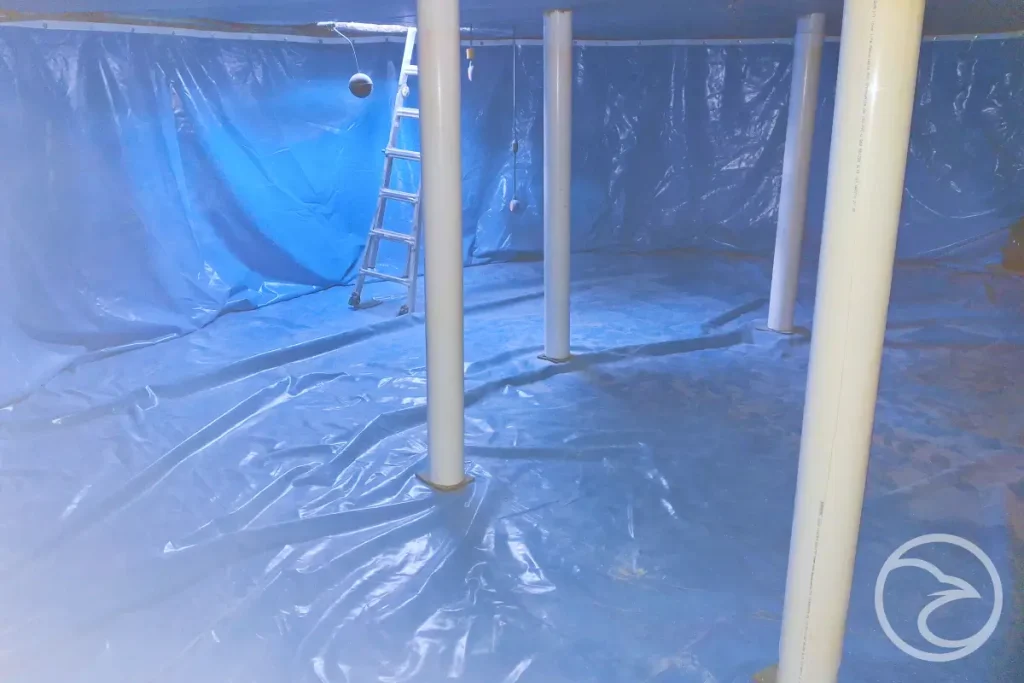
A professional assessment helps identify:
- Structural weakness
- Hidden corrosion
- Water ingress
- Material fatigue
- Seam deterioration
- Internal tank damage
Professional repairs help restore water containment while extending liner lifespan. Facilities that address minor issues early often avoid larger structural problems. Many businesses also follow maintenance schedules outlined in how often should fire water tank liners be inspected? to identify repair needs before deterioration becomes severe.
How Liner Age Affects the Decision
Liner age is another important factor. Even if visible damage appears minor, older liners may already be approaching the end of their service life. Older materials often lose flexibility and become more vulnerable to cracking and seam failure.
A liner that has already undergone multiple repairs may continue deteriorating rapidly after additional patching. In these cases, replacement may offer greater long-term reliability.
Facilities should compare the expected remaining lifespan of the liner against the cost of repeated repairs.
Environmental Conditions can Accelerate Deterioration
Tank location and environmental exposure strongly affect liner condition.
Outdoor fire water tanks experience constant exposure to:
- Sunlight
- Heat
- Rain
- Humidity
- Wind
- Temperature variation
Harsh conditions accelerate material aging and increase the likelihood of cracking or seam failure. Facilities operating in demanding environments often require more frequent maintenance and inspections.
Environmental stress is one reason many businesses eventually upgrade to more durable commercial fire water tank liner systems during replacement projects.
Compliance Requirements Should Also be Considered
Repair decisions should always consider current compliance standards. Some older liners may no longer meet modern performance or safety requirements. Even if repairs are technically possible, replacement may still be necessary for regulatory compliance.
Compliance considerations may include:
- Material standards
- Structural integrity
- Water containment performance
- Inspection requirements
- Fire protection regulations
Facilities reviewing repair options should also assess broader fire water storage compliance obligations.
Preventive Maintenance Reduces Major Repairs
Preventive maintenance is one of the most effective ways to reduce replacement costs. Routine inspections and early repairs help prevent small defects from spreading into major structural failures.
A proactive maintenance strategy typically includes:
- Scheduled inspections
- Corrosion monitoring
- Seam assessments
- Leak detection
- Cleaning procedures
- Condition reporting
Facilities with structured maintenance programs often achieve longer liner lifespan and lower long-term operating costs. Preventive servicing also improves emergency system reliability and helps businesses identify early signs your fire tank liner is reaching the end of its lifespan before major deterioration occurs.
Final Thoughts
Deciding between fire water tank liner repair vs replacement depends on the condition of the liner, the extent of deterioration, and long-term operational goals.
Minor defects can often be repaired effectively when identified early. However, widespread deterioration, aging materials, and recurring failures may make replacement the safer investment. Professional inspections help businesses evaluate structural condition and choose the most practical solution.
Facilities that prioritise preventive maintenance and early intervention usually reduce repair costs while improving long-term fire protection reliability.