Fire protection systems rely on regular inspections to remain reliable. Fire tanks are no exception. A structured inspection checklist helps identify issues before they affect system performance.
Under Australian Standards, inspections should follow documented procedures and scheduled intervals. A consistent checklist also improves reporting accuracy and inspection quality.
Many facilities use formal checklists during routine fire tank inspections. These records support compliance programs and long-term asset management.
Why Inspection Checklists Matter
A checklist helps inspectors review the same components during every visit. This reduces the risk of missed defects or incomplete reporting. Checklists also improve consistency between different inspectors and service providers.
Most inspection programs include:
- Structural condition checks
- Water level verification
- Valve inspections
- Corrosion assessment
- Access point reviews
- Safety observations
- Record verification
Inspection documentation becomes especially important for sites following AS1851 requirements.
Businesses using structured checklists during AS 1851 Compliance Explained programs often maintain clearer inspection histories.
What Is Usually Included in a Fire Tank Inspection Checklist?
Inspection checklists vary between facilities and tank types. However, most include several common categories.
Tank Structure Assessment
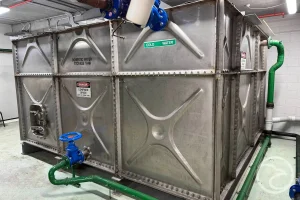
Inspectors usually begin with the external condition of the tank.
This includes checking for:
- Visible corrosion
- Cracks or deformation
- Panel movement
- Leaks
- Damaged coatings
- Foundation issues
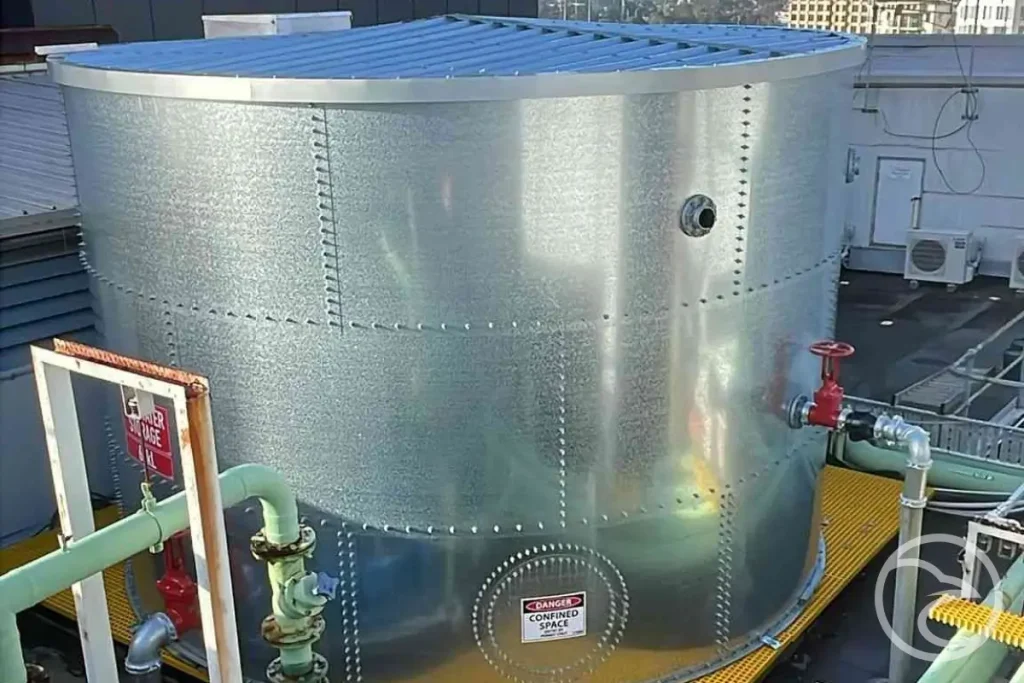
Steel tanks may require additional corrosion monitoring. Concrete tanks often need closer examination around joints and surfaces.
Structural defects can affect tank reliability over time.
Water Level Verification
Water availability remains one of the most important inspection points.
Inspectors generally confirm:
- Correct water levels
- Float valve operation
- Refill functionality
- Overflow conditions
- Signs of water loss
Unexpected level changes may indicate hidden leaks or supply issues.
Pipework and Valve Checks
Inspection checklists often include connected pipework and valves.
Typical review points include:
- Isolation valve condition
- Pipe corrosion
- Joint integrity
- Obstructions
- Pressure concerns
- Accessibility
Valves should remain clearly identified and accessible during emergencies.
Internal Tank Conditions
Some inspection schedules include internal assessments.
These inspections may identify:
- Sediment buildup
- Biological growth
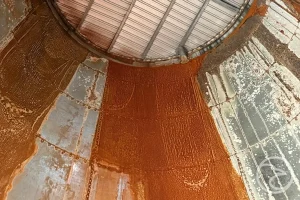
- Rust accumulation
- Debris contamination
- Liner deterioration
Internal conditions can affect water quality and system reliability. Different facilities schedule internal inspections at different intervals.
Access and Safety Reviews
Inspectors also assess whether the tank remains safely accessible.
Checklist items may include:
- Ladder condition
- Handrail security
- Access hatch integrity
- Slip hazards
- Locked entry points
- Signage visibility
Poor access conditions can delay emergency response or create workplace risks. Safety observations usually become part of the final inspection report.
Why Documentation is Important
Inspection records help facilities track system condition over time.
Most fire tank inspection reports include:
- Inspection date
- Observed defects
- Recommended actions
- Photographs
- Service history
- Inspector notes
Clear documentation supports future inspections and maintenance planning. It also helps identify recurring issues before they become major problems.
Inspection and Maintenance are Different Processes
Inspection programs focus on identifying issues. Maintenance programs focus on correcting them. This distinction is important when planning fire protection schedules.
For example, an inspection may identify corrosion around fittings. Maintenance work would then repair or replace damaged components.
Many facility managers separate these activities within their service schedules. Facilities reviewing inspection outcomes may later determine when does a fire tank need maintenance based on observed defects.
How AS1851 Influences Inspection Procedures
AS1851 establishes routine service expectations for fire protection systems in Australia. Inspection procedures generally follow scheduled intervals and documented processes.
While exact requirements depend on the system configuration, many checklists support:
- Consistent inspection methods
- Standardised reporting
- Regulatory documentation
- Asset condition monitoring
Routine AS1851 fire tank inspections often rely on repeatable checklist formats to improve inspection consistency.
Common Problems Found During Inspections
Inspection checklists frequently identify similar issues across different facilities.
Some common findings include:
- Surface corrosion
- Damaged access ladders
- Faulty float valves
- Sediment accumulation
- Missing signage
- Water leaks
- Blocked overflow pipes
Environmental conditions can also affect inspection outcomes.
Coastal locations may experience accelerated corrosion. Industrial sites may face contamination risks from surrounding operations. Regular inspections help identify these issues earlier.
Digital Inspection Checklists are Becoming More Common
Many inspection providers now use digital reporting systems.
Digital checklists may include:
- Mobile reporting tools
- Cloud-based records
- Photo attachments
- Automated scheduling
- Historical inspection tracking
Digital systems can improve record accessibility and reporting speed. They also simplify long-term inspection management for large facilities.
Checklist Consistency Improves Long-Term Reliability
Fire tanks remain critical parts of many fire protection systems. Consistent inspections help maintain operational readiness. A structured checklist improves inspection accuracy and reporting quality. It also supports better communication between inspectors and facility managers.
Over time, organised inspection records help facilities identify trends and recurring concerns. As fire protection standards continue evolving, detailed inspection procedures remain an important part of system management.