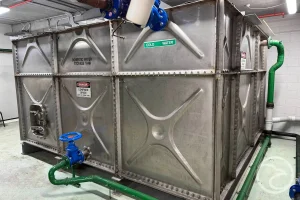
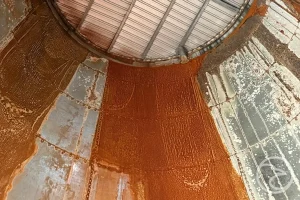
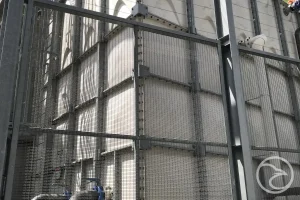
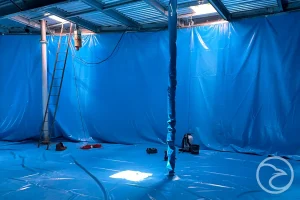
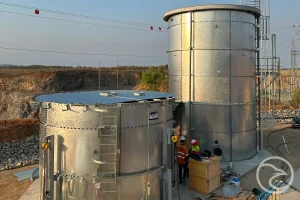
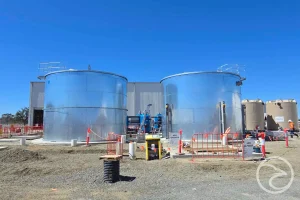
Fire water tanks operate in demanding environmental conditions. Over time, these conditions can damage tank surfaces and structural components. Corrosion is one of the most common long-term problems affecting fire tanks. It can reduce reliability, safety, and system performance.
Many corrosion issues develop gradually. Early warning signs often remain unnoticed for years.
Understanding the causes of corrosion helps support effective fire tank maintenance.
Constant Exposure to Moisture
Moisture is one of the leading causes of corrosion in fire tanks. Wet conditions accelerate metal deterioration over time. External tank surfaces often face constant environmental exposure. Rain, humidity, and condensation increase corrosion risks.
Internal moisture can also create problems. Condensation may form inside partially filled tanks.
Several conditions increase moisture exposure:
- poor ventilation
- standing water
- humid climates
- leaking fittings
- damaged seals
Water trapped around tank bases creates additional risk. This commonly affects steel support structures. Moisture-related corrosion usually develops slowly. Surface rust often appears before deeper structural damage.
Environmental exposure becomes more severe during seasonal weather changes. You can learn more in how weather conditions affect fire water tanks.
Poor Water Quality Inside the Tank
Water quality directly affects internal tank condition. Contaminated water increases corrosion and material deterioration.
Several water quality issues may contribute to corrosion:
- stagnant water
- high mineral levels
- bacteria growth
- organic contamination
- sediment accumulation
Poor circulation often worsens these conditions. Stagnant water creates an unstable internal environment. Minerals and contaminants may react with steel surfaces over time. This process gradually weakens protective layers.
Bacterial activity can also damage internal tank surfaces. Some microorganisms accelerate metal corrosion significantly. Water contamination sometimes develops unnoticed for long periods. Internal damage may already exist before visible symptoms appear.
Learn more in why water quality matters in fire tanks.
Damaged Protective Coatings
Protective coatings help isolate metal from moisture and oxygen. Damaged coatings expose steel surfaces to environmental conditions. Over time, coatings naturally deteriorate. Sunlight, weather, and physical damage accelerate this process.
Common coating problems include:
- peeling paint
- bubbling surfaces
- scratches
- fading
- cracked coatings
Even small damaged areas may allow corrosion to spread. Exposed steel becomes vulnerable to oxidation quickly. Mechanical impacts sometimes damage external coatings. Maintenance equipment and debris can also create surface scratches.
Older tanks often show uneven coating wear. This may indicate prolonged environmental exposure. Protective coatings should remain intact to reduce corrosion risks. Surface deterioration should never be ignored.
Extreme Weather Conditions
Weather conditions strongly affect fire tank lifespan and durability. Temperature changes place constant stress on tank materials.
Several environmental factors increase corrosion risks:
- UV exposure
- heavy rainfall
- coastal air
- freezing temperatures
- heat expansion
UV radiation gradually weakens protective coatings. This leaves metal surfaces more vulnerable. Temperature fluctuations cause expansion and contraction. Repeated movement may damage joints and protective layers.
Coastal environments create additional challenges. Salt in the air accelerates metal corrosion significantly. Heavy rainfall may also increase standing moisture around foundations. Poor drainage worsens these conditions further.
Weather exposure affects both external and internal tank components. You can read more in how weather conditions affect fire water tanks.
Aging Tank Materials
All tank materials deteriorate over time. Older tanks usually face higher corrosion risks. Steel tanks become more vulnerable as protective surfaces weaken. Material fatigue may also develop after years of use.
Common aging issues include:
- weakened steel
- thinning walls
- worn joints
- surface pitting
- reduced structural strength
Older infrastructure often experiences multiple problems simultaneously. Corrosion may spread faster once deterioration begins. Some tanks continue operating beyond their intended lifespan. This increases the likelihood of structural damage.
Aging materials should be monitored carefully. Small defects can develop into serious failures.
You can also explore signs of structural damage in fire tanks.
Lack of Preventive Maintenance
Preventive maintenance plays a major role in corrosion control. Neglected tanks usually deteriorate much faster. Small warning signs often become larger structural problems. Delayed repairs allow corrosion to spread deeper into materials.
Common maintenance problems include:
- ignored rust spots
- delayed coating repairs
- untreated leaks
- poor drainage
- limited monitoring
Corrosion frequently develops in hidden areas first. Internal damage may remain undetected for years. Regular monitoring helps identify early deterioration. This reduces repair complexity and long-term costs.
Facilities that delay maintenance often face larger operational risks. System reliability may also decline gradually.
You can learn more in signs your fire water tank needs maintenance.
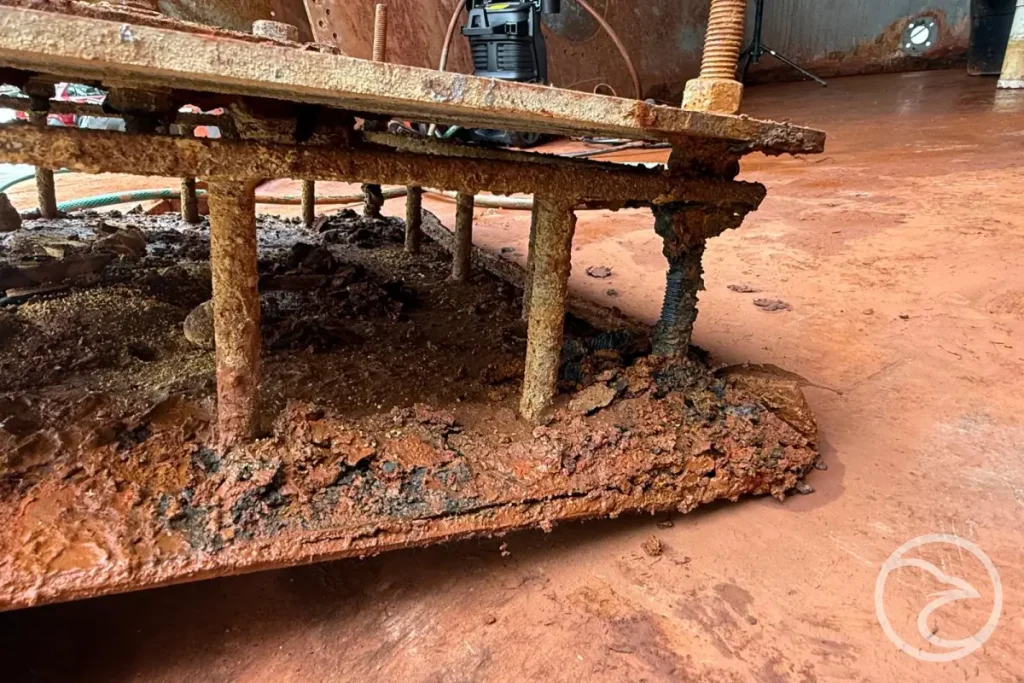
How to Reduce Fire Tank Corrosion Risks
Corrosion prevention requires a proactive approach. Early action helps extend tank lifespan significantly.
Several strategies help reduce corrosion risks:
- monitor visible surfaces regularly
- repair damaged coatings quickly
- improve drainage around tanks
- maintain stable water quality
- reduce standing moisture
Environmental conditions should also be evaluated carefully. High-risk areas may require additional protection. Older tanks often benefit from more frequent monitoring. Early detection prevents deeper structural deterioration. Operators should pay attention to changing tank conditions. Small surface issues may indicate larger internal problems.