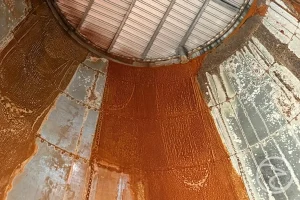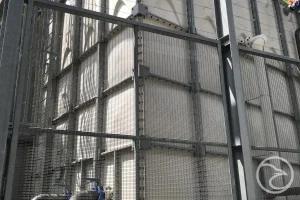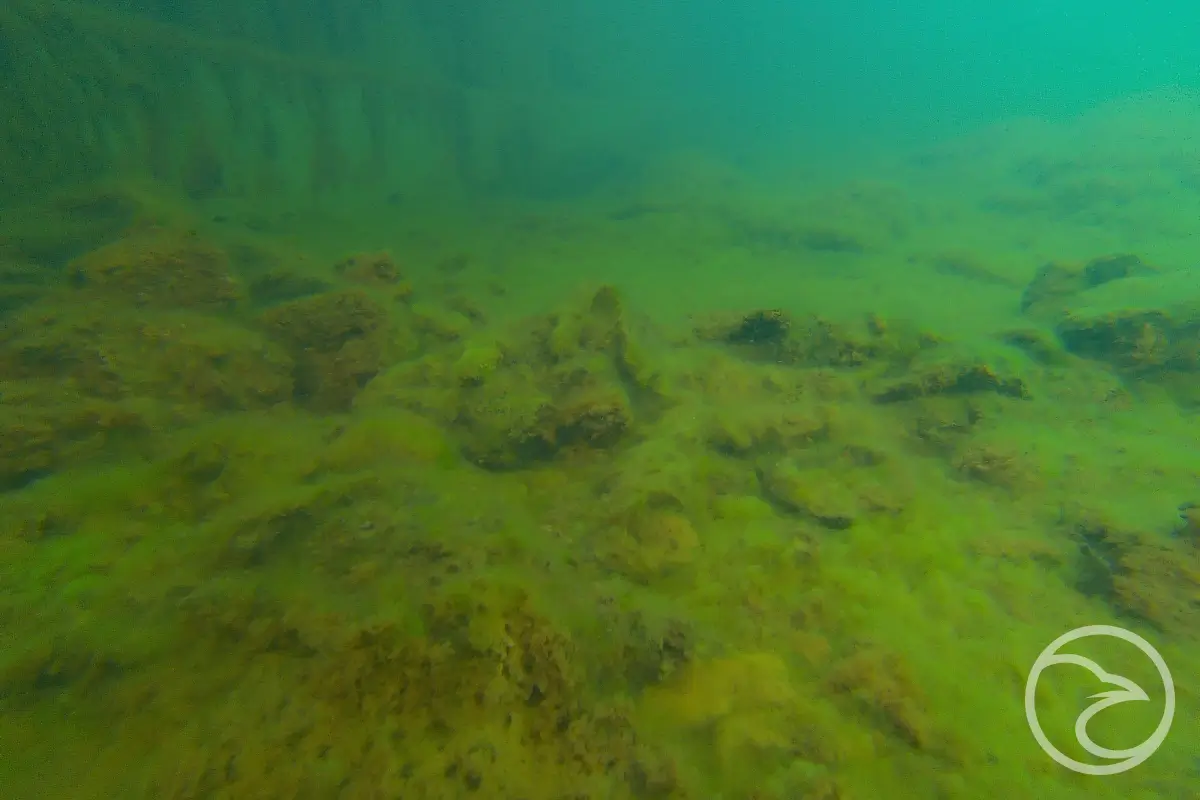
Water storage tanks support essential operations across commercial, industrial, agricultural, and municipal facilities. However, stored water can experience quality changes when environmental conditions and maintenance practices are not properly managed.
One potential concern is algae growth in water storage tanks, particularly where sunlight reaches stored water. Algae can affect water appearance, contribute to deposits, and complicate maintenance. In some situations, visible growth may also indicate broader water quality problems.
Not every green deposit is algae, however. Other microorganisms, including cyanobacteria, can produce similar discolouration and require different management approaches.
Understanding what causes algae growth helps facility managers identify risks and protect their water storage systems.
This guide explains the conditions that encourage algae, common warning signs, potential consequences, and practical prevention measures.
What Causes Algae Growth in Water Storage Tanks?
Algae are photosynthetic organisms that generally require light, water, and suitable nutrients to grow. When these conditions occur inside a storage tank, algae may develop on submerged surfaces or within the water.
The likelihood of growth depends on several factors, including tank construction, water source, temperature, and maintenance conditions.
1. Sunlight Entering the Tank
Light exposure is one of the most important factors influencing algae growth. Algae use light for photosynthesis. Therefore, tanks that allow sunlight to penetrate may provide suitable conditions for growth.
Potential sources of light exposure include:
- Translucent tank walls.
- Damaged or poorly fitted roof panels.
- Open inspection hatches.
- Uncovered access points.
- Gaps around roof penetrations.
- Transparent fittings exposed to sunlight.
Even limited light penetration may support growth in suitable conditions. However, the amount of light required varies between organisms.
Opaque construction materials and properly maintained covers help reduce this risk.
2. Nutrients in Stored Water
Algae require nutrients to grow. Nitrogen and phosphorus are particularly important because they support biological activity. These nutrients may enter storage systems through several pathways.
Common sources include:
- Surface runoff.
- Organic debris.
- Agricultural drainage.
- Sediment deposits.
- Contaminated incoming water.
- Decomposing vegetation.
The nutrient concentration depends on the original water source and surrounding environment. Rainwater, recycled water, and untreated surface water may have different nutrient characteristics.
Consequently, algae risks can vary considerably between storage applications.
3. Warm Water Temperatures
Temperature influences biological activity in stored water. Many algae grow more rapidly under suitable warm conditions. Australian water storage tanks may experience elevated temperatures during summer, particularly when exposed to direct sunlight.
Temperature conditions can vary depending on tank colour, construction material, insulation, and installation location. However, warm water alone does not cause algae growth.
Light availability, nutrients, and other environmental factors must also support development.
4. Limited Water Turnover
Water turnover describes how frequently stored water is replaced or circulated. Some tanks experience regular inflow and withdrawal. Others retain water for extended periods.
Long storage periods can allow water quality conditions to change. Where light and nutrients are available, limited turnover may contribute to biological growth.
However, algae can also develop in systems with regular water movement. Water turnover should therefore be considered alongside other operating conditions.
5. Organic Debris and Sediment
Leaves, dust, soil particles, and other materials can enter tanks through poorly protected openings. Some materials introduce nutrients that support biological activity.
Others settle on internal surfaces and create deposits. These deposits may complicate cleaning and make changes in tank condition harder to identify.
Regular maintenance helps limit unnecessary material accumulation.
Which Water Storage Tanks are more Vulnerable to Algae?
Algae growth is not restricted to one tank material or application. The main influencing factors are light exposure, nutrient availability, water characteristics, and operating conditions.
However, some storage arrangements may require particular attention.
Rainwater Storage Tanks
Rainwater tanks collect water from roofs and connected drainage systems. During rainfall, organic material and other contaminants may enter the collection system.
Leaves, dust, and bird droppings can contribute nutrients and microorganisms. Where light enters the tank, these conditions may support algae growth.
Suitable inlet screening, covered storage, and maintenance can help reduce contamination risks.
Industrial Water Storage Tanks
Industrial facilities use stored water for various processes. Applications may include equipment cooling, manufacturing, cleaning, and other operational requirements.
Water quality expectations depend on the intended use. In some systems, algae or other biological growth may contribute to deposits and maintenance difficulties.
The appropriate prevention strategy depends on water chemistry, operating temperature, and process requirements. Industrial water storage tanks should be assessed according to their specific application.
Agricultural Water Tanks
Agricultural water storage systems may receive water containing organic material and nutrients. Exposure to sunlight can increase the potential for algae growth.
Open storage systems and uncovered tanks may face different risks from enclosed installations. Water quality management should reflect the intended agricultural use.
Fire Water Storage Tanks
Fire protection tanks store water for emergency use. These systems may retain water for long periods between significant withdrawals.
Although prolonged storage does not automatically cause algae growth, water quality changes can occur over time. Light penetration, debris entry, and sediment accumulation may contribute to internal contamination.
Deposits can also complicate maintenance and condition assessments. Fire water storage systems should be maintained according to their design and applicable requirements.
Important: The presence of algae does not automatically establish that a fire tank is unfit for service. Its condition requires appropriate assessment.
Potable Water Storage Tanks
Potable water storage requires particular attention because the water is intended for human consumption. Visible growth, discolouration, or unusual odours may indicate a water quality concern.
However, appearance alone cannot establish whether water is safe to drink. Where contamination is suspected, appropriate testing and professional advice may be necessary.
Potable water systems should follow relevant drinking water quality requirements and management procedures.
Common Signs of Algae in Water Storage Tanks
Algae growth may produce visible changes, although some problems remain difficult to detect without inspection. Facility managers should pay attention to changes in water appearance and internal surface conditions.
Green or Brown Discolouration
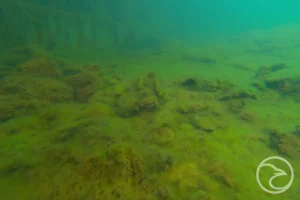
Greenish water can indicate biological growth. However, discolouration may also result from sediment, corrosion products, or other contaminants.
Different algae and microorganisms can produce different colours. Therefore, colour alone cannot identify the organism responsible.
Slippery Deposits on Internal Surfaces
Some biological growth forms coatings on submerged surfaces. These deposits may appear green, brown, or otherwise discoloured.
However, slippery surface deposits can also contain bacteria and other microorganisms. A visible coating should not automatically be classified as algae.
Unusual Water Odours
Changes in water odour may indicate biological activity or other water quality problems. Some algae and cyanobacteria produce compounds associated with earthy or musty smells.
However, odour can also result from unrelated contamination. An unusual smell should prompt further investigation rather than immediate assumptions about its cause.
Floating Material or Surface Films
Some storage systems develop visible material near the water surface. This may include biological growth, organic debris, or other suspended matter.
In particular, cyanobacteria can sometimes form surface accumulations. These organisms are not true algae, although they are often described as blue-green algae.
Some cyanobacteria can produce harmful toxins. Suspected cyanobacterial growth should not be disturbed or handled without appropriate precautions.
Repeated Water Quality Changes
Recurring discolouration or deposits may indicate that the underlying conditions remain unresolved. For example, repeated light exposure or nutrient entry can allow biological growth to return.
Cleaning alone may provide only temporary improvement if the contributing conditions remain unchanged.
How Does Algae Growth Affect Water Quality?
The consequences of algae growth depend on the organisms present, the water application, and the severity of the problem. Not every algae occurrence creates the same operational risk.
However, biological growth can affect water appearance and increase maintenance requirements.
Changes in Water Appearance
Algae may cause visible discolouration or suspended particles. These changes can make stored water appear cloudy or green.
The significance depends on the intended use and relevant water quality requirements.
Increased Organic Material
As algae grow and die, organic material may accumulate within the system. Decomposition can influence water chemistry and contribute to additional deposits.
The extent of these changes depends on the water characteristics and biological activity.
Potential Operational Problems
Biological growth and associated deposits may contribute to maintenance concerns.
Possible effects include:
- Accumulation around screens.
- Deposits on internal surfaces.
- Increased cleaning requirements.
- Reduced visibility during inspections.
- Additional material entering connected equipment.
- Changes in water quality relevant to particular processes.
However, these effects should not be attributed to algae without appropriate evidence. Sediment, corrosion products, and other contaminants can cause similar problems.
Potential Health Concerns
Most visible water discolouration cannot be used to determine health risks. Some cyanobacteria can produce toxins, while many algae do not.
The presence or absence of toxins cannot be established reliably through visual inspection alone. Where water is used for drinking, recreation, livestock, or other sensitive applications, suspected contamination requires appropriate assessment.
Testing may be necessary to identify organisms and evaluate relevant risks.
Can Algae Damage Water Storage Tanks?
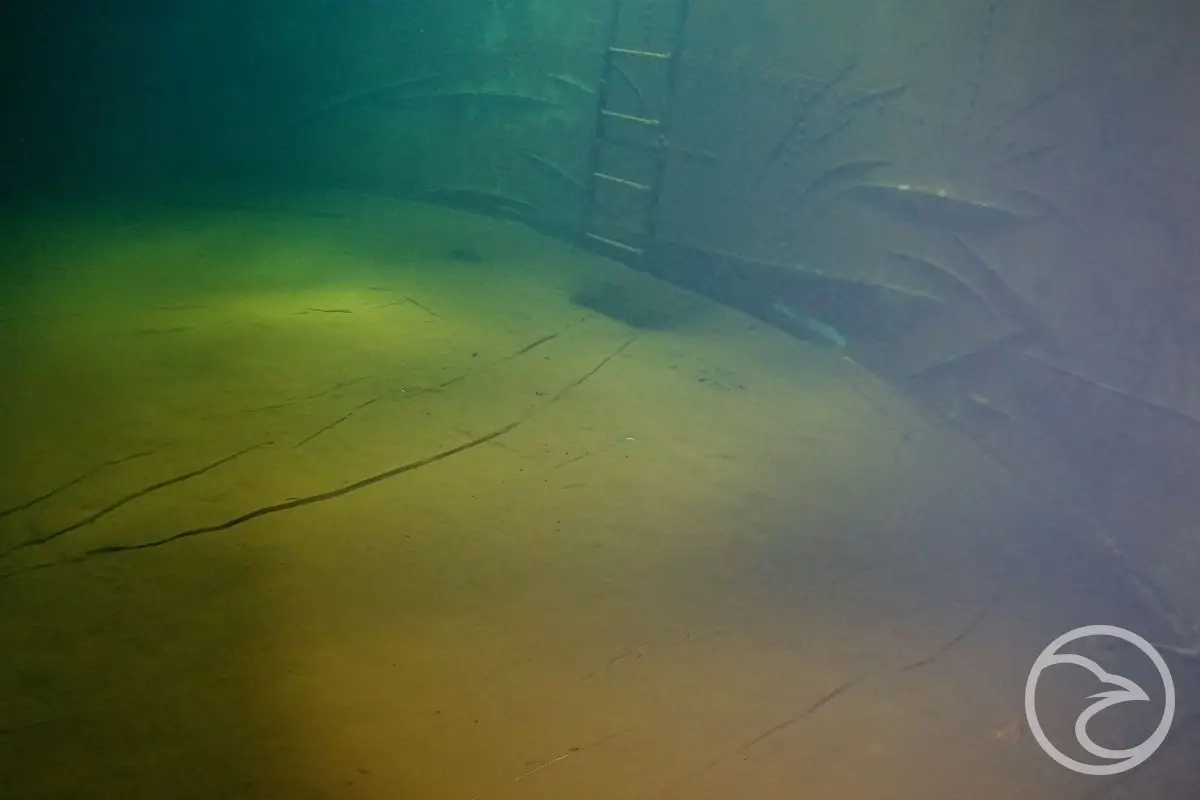
Algae growth does not necessarily damage the structural material of a storage tank. However, biological deposits can create maintenance challenges and obscure the condition of internal surfaces.
For example, deposits may make it harder to identify corrosion, damaged coatings, or other defects. The relationship between biological activity and material deterioration depends on several factors.
These include water chemistry, microorganisms present, tank materials, and operating conditions. It is important to distinguish algae from other biological processes.
Microbiologically influenced corrosion, for example, involves complex interactions between microorganisms and materials.
It should not automatically be attributed to visible algae. A suitable condition assessment can help distinguish surface contamination from underlying material deterioration.
How to Prevent Algae Growth in Water Storage Tanks
Preventing algae requires controlling the conditions that support growth. A suitable strategy considers tank design, water source, light exposure, and maintenance requirements.
1. Limit Sunlight Exposure
Reducing light penetration is an important preventive measure. Tank roofs, access covers, and wall materials should provide suitable protection from unwanted light exposure.
Potential measures include:
- Using appropriately opaque tank materials.
- Keeping inspection hatches closed.
- Maintaining roof panels and seals.
- Repairing damaged covers.
- Checking openings around fittings.
- Avoiding unnecessary exposure of stored water.
The appropriate measures depend on the tank’s construction and application.
2. Reduce Nutrient Entry
Nutrient control helps limit conditions that support biological growth. The first step is understanding the water source.
For rainwater systems, suitable screening and collection-system maintenance can reduce debris entry. Industrial systems may require source-water assessment or application-specific treatment.
Agricultural installations may benefit from controlling organic material and nutrient-rich runoff.
3. Maintain Tank Covers and Openings
Damaged covers can allow sunlight, debris, and other contaminants to enter. Regular external checks can help identify obvious defects.
Attention should be given to:
- Roof condition.
- Access hatches.
- Seals and penetrations.
- Inlet arrangements.
- Vent protection.
- Surrounding vegetation.
Maintenance should follow the tank manufacturer’s guidance and relevant site requirements.
4. Manage Sediment Accumulation
Sediment can collect on tank floors and around internal components. Although sediment does not automatically cause algae growth, some deposits contain nutrients and organic material.
Managing these deposits can support overall water quality maintenance. The appropriate cleaning method depends on tank design, water application, and sediment characteristics.
Cleaning should not be undertaken without considering access and safety requirements.
5. Monitor Water Quality
Monitoring helps identify changes before they become persistent problems. The appropriate parameters depend on the intended use.
Depending on the system, assessments may consider:
- Water appearance.
- Temperature.
- Turbidity.
- Relevant nutrient concentrations.
- Microbiological indicators.
- Other application-specific water quality parameters.
Not every tank requires the same testing programme. Water intended for human consumption requires different controls from many industrial or fire protection applications.
6. Follow an Appropriate Maintenance Programme
Maintenance requirements vary between storage systems. A tank receiving untreated surface water may need different attention from a closed system supplied with treated water.
Facility managers should consider operating conditions, previous findings, and applicable requirements. A maintenance programme may include external checks, water quality monitoring, sediment assessment, and professional inspections.
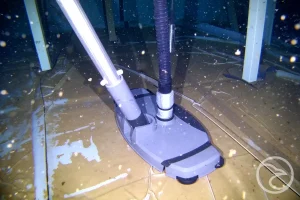
Sediment and organic debris can create conditions that support biological growth inside water storage tanks. Professional water tank cleaning helps remove accumulated deposits and supports effective tank maintenance.
However, cleaning should also address the underlying causes of contamination to reduce the risk of recurring algae growth.
How Does Tank Material Influence Algae Growth?
Tank material can influence light exposure, temperature conditions, and maintenance requirements. However, no tank material automatically guarantees protection against algae.
Water source, tank design, and operating conditions remain important.
Galvanised Steel Water Tanks
Galvanised steel tank walls are opaque and can prevent sunlight from passing directly through the metal. However, light may still enter through openings or damaged covers.
Internal coatings, liners, water chemistry, and maintenance conditions also influence tank performance.
Stainless Steel Water Tanks
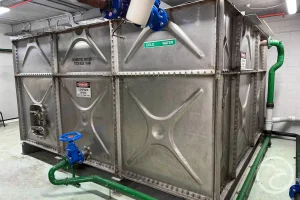
Stainless steel provides an opaque storage structure. Its suitability depends on the intended application, material grade, water chemistry, and system design.
Although stainless steel can offer corrosion resistance in suitable environments, it does not eliminate biological contamination risks.
GRP Water Tanks
Glass-reinforced plastic tanks are used across different water storage applications. Light transmission depends on the panel design, pigmentation, thickness, and construction.
Some GRP configurations provide effective light exclusion, while others may require additional consideration. The actual product specification should be checked rather than assuming all GRP tanks perform identically.
Polyethylene Water Tanks
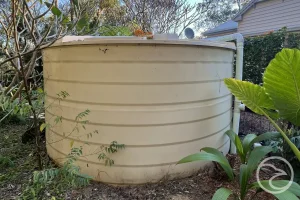
Polyethylene tanks are commonly used for rainwater and other storage applications. Their light-blocking performance depends on pigmentation, wall construction, and product design.
A suitable opaque tank can help limit light penetration. However, nutrient entry and other contamination sources must still be managed.
Concrete Water Tanks
Concrete walls generally prevent light transmission through the structure. Nevertheless, openings, covers, and connected drainage components can still introduce contamination risks.
Internal surface condition and water chemistry may also affect maintenance requirements.
Tank Material Comparison
| Tank Material | Light-Related Considerations | Other Water Quality Considerations |
|---|---|---|
| Galvanised steel | Opaque metal walls | Coatings, liners, water chemistry |
| Stainless steel | Opaque metal walls | Grade selection, surface condition |
| GRP | Depends on panel construction | Surface condition, seals, design |
| Polyethylene | Depends on pigmentation and wall design | Covers, fittings, water source |
| Concrete | Generally opaque walls | Internal surfaces, joints, openings |
Material selection should consider the entire storage system. Choosing an opaque tank is useful, but it does not replace suitable water quality management.
Algae vs Biofilm: what is the Difference?
Algae and biofilm are related to biological growth, but they are not interchangeable terms. Algae are photosynthetic organisms that generally require light.
Biofilm describes communities of microorganisms attached to surfaces within a protective matrix. Biofilms may contain bacteria, algae, fungi, and other microorganisms.
Unlike algae, many biofilm-forming organisms do not require sunlight. This distinction matters when investigating contamination inside enclosed tanks.
A dark tank may have limited potential for photosynthetic algae growth while still supporting certain biofilms. Consequently, eliminating sunlight does not eliminate every biological contamination risk.
Identifying the type of contamination helps determine appropriate management measures.
What Should You do if Algae is Found in a Water Tank?
The appropriate response depends on the water’s intended use and the nature of the suspected contamination. Visible green material should not automatically be treated as harmless algae.
Step 1: Review the Water Application
Determine how the stored water is used. Drinking water, industrial process water, agricultural water, and fire protection water have different requirements.
The potential consequences of contamination depend on the application.
Step 2: Avoid Unnecessary Contact
Do not enter the tank or disturb suspected biological growth without suitable precautions. This is particularly important when cyanobacteria may be present.
Underground and enclosed tanks can also present confined-space hazards.
Step 3: Identify Possible Contributing Conditions
Review accessible covers, openings, incoming water sources, and maintenance records. Consider whether sunlight or nutrient-rich water may be entering the system.
External observations can provide useful information without requiring tank entry.
Step 4: Arrange Appropriate Assessment
Professional assessment may be necessary where contamination is extensive, recurring, or difficult to identify. Water sampling and laboratory testing may be appropriate for certain applications.
Visual inspection alone cannot reliably distinguish all organisms or establish water safety.
Step 5: Select Suitable Corrective Measures
Corrective work should address both the contamination and its contributing conditions. Depending on the findings, measures may include cleaning, repairs, source-water controls, or other application-specific treatment.
Treatment methods should be selected by qualified personnel. Chemicals should not be added without confirming their suitability for the stored water and connected systems.
Step 6: Prevent Recurrence
After corrective work, review the factors that may have supported biological growth. Check whether light exposure, nutrient entry, or maintenance gaps remain unresolved.
Follow-up monitoring may help determine whether the problem has returned.
When is a Professional Water Tank Inspection Necessary?
Not every visible deposit requires extensive investigation. However, certain conditions justify a more detailed assessment.
Professional inspection may be appropriate when:
- Green or brown deposits repeatedly return.
- Water appearance changes unexpectedly.
- Internal surfaces cannot be assessed safely.
- Significant sediment or debris is suspected.
- Tank covers or seals appear damaged.
- Water quality problems affect connected equipment.
- Structural deterioration is suspected.
- Previous cleaning has not resolved the problem.
An inspection can help establish the tank’s physical condition and identify potential contamination pathways. Where biological contamination is suspected, additional sampling or specialist testing may be necessary.
For commercial and industrial facilities, professional water tank inspections can support maintenance planning and identify conditions requiring further attention.
The appropriate inspection approach depends on the tank type, accessibility, and assessment objectives.
Common Mistakes When Managing Algae in Water Tanks
Some approaches may temporarily improve water appearance without resolving the underlying problem.
Assuming Every Green Deposit Is Algae
Green deposits can contain different microorganisms or non-biological materials. Visual appearance alone does not provide a reliable identification.
Incorrect assumptions may lead to unsuitable treatment decisions.
Cleaning Without Addressing Light Exposure
Cleaning can remove existing deposits. However, algae may return if sunlight continues entering nutrient-containing water.
Tank covers and openings should be assessed alongside cleaning requirements.
Ignoring the Incoming Water Source
A tank may repeatedly receive nutrients or biological material from upstream sources. Without addressing these inputs, contamination can recur.
Water source management is therefore an important part of prevention.
Using Chemicals without Professional Advice
Chemical treatment can introduce risks when products are unsuitable for the water application. Some treatments may affect connected equipment or create additional water quality concerns.
Potable water systems require particular care. Treatment should follow relevant technical guidance and applicable requirements.
Assuming Clear Water is Always Safe
Water appearance does not establish microbiological safety. Some contaminants are not visible.
Similarly, visible discolouration does not identify the exact contaminant. Appropriate testing is necessary when water safety must be established.
Water Storage Tank Algae Prevention Checklist
Facility managers can use the following checklist to support routine maintenance planning.
| Area | What to Check | Why It Matters |
|---|---|---|
| Tank roof | Damage, gaps, missing covers | May allow sunlight and debris entry |
| Access hatches | Closure and seal condition | Helps protect stored water |
| Inlets | Debris and contamination pathways | May introduce nutrients |
| Internal surfaces | Visible deposits where safely accessible | May indicate biological growth |
| Tank floor | Sediment accumulation | Can contribute to maintenance concerns |
| Water appearance | Unexpected colour or turbidity changes | May indicate changing water quality |
| Maintenance records | Recurring contamination | Helps identify unresolved causes |
| Water testing | Application-specific parameters | Supports informed decisions |
This checklist is a general guide. It does not replace a system-specific maintenance programme or professional water quality assessment.
Conclusion
Algae growth in water storage tanks can affect water appearance, contribute to deposits, and increase maintenance requirements. Light exposure, nutrient availability, temperature, and water characteristics all influence the likelihood of growth.
Different tank materials and applications also require different prevention strategies. Opaque construction, protected openings, source-water management, and appropriate maintenance can help reduce contamination risks.
However, visible green deposits should not automatically be identified as harmless algae. Where contamination is recurring or its significance is uncertain, professional assessment can help determine suitable next steps.
For commercial and industrial facilities, maintaining water quality begins with understanding the storage system and addressing potential contamination pathways.