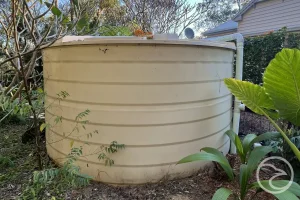
Stormwater detention tanks help manage runoff from commercial, industrial, and residential developments. They temporarily store stormwater before releasing it into the drainage network at a controlled rate.
However, these systems can develop problems that affect drainage performance. Sediment accumulation, blocked outlets, structural deterioration, and poor maintenance are among the common concerns.
Some issues develop gradually and remain unnoticed until heavy rainfall occurs. Others produce visible warning signs that property owners can identify earlier.
Understanding common stormwater detention tank problems helps facility managers recognise potential risks and plan appropriate maintenance.
This guide explores typical detention tank problems, their causes, warning signs, and practical prevention measures.
Why Stormwater Detention Tanks Develop Problems
Stormwater detention systems operate under changing environmental conditions. Rainfall intensity, surrounding land use, and the condition of connected drainage infrastructure can influence their performance.
Unlike water storage tanks designed to retain water for extended periods, detention tanks temporarily hold runoff. Water normally enters during rainfall and leaves through a controlled outlet.
This operating cycle can introduce sediment, organic material, litter, and other debris into the system. Over time, accumulated material may restrict water movement or interfere with drainage components.
Several factors contribute to stormwater detention system problems:
- Sediment carried from roads, roofs, and landscaped areas.
- Leaves, branches, litter, and other debris entering drainage inlets.
- Blocked or damaged outlet structures.
- Structural movement or deterioration.
- Inadequate access for cleaning and maintenance.
- Changes to surrounding drainage conditions.
- Delayed identification of developing faults.
The severity of these problems depends on the system’s design, location, and operating conditions. Regular monitoring helps identify changes before they affect drainage performance.
1. Sediment Accumulation Inside Detention Tanks
Sediment buildup is a common maintenance concern in stormwater detention systems. Stormwater can carry soil particles, sand, road dust, and other suspended solids. When water enters a detention tank, some particles settle on the floor.
This process is particularly noticeable where water movement slows.
How Sediment Affects Tank Performance
Accumulated sediment occupies space within the tank. As deposits increase, they can reduce the volume available for temporary stormwater storage.
Sediment may also collect around outlets, screens, and other drainage components.
Potential consequences include:
- Reduced effective storage capacity.
- Restricted flow near outlet structures.
- Increased cleaning requirements.
- Accumulation of organic material.
- Difficulties inspecting internal surfaces.
- Greater risk of localised blockages.
The effects depend on the quantity and location of accumulated material. A small deposit in an accessible area may require routine cleaning. Sediment obstructing an outlet may require more urgent attention.
Warning Signs of Sediment Buildup
Sediment accumulation is not always visible from outside the tank. However, several observations may indicate a developing problem.
These include:
- Visible deposits near accessible inspection points.
- Muddy material collecting around inlet structures.
- Reduced drainage performance after rainfall.
- Repeated blockages in connected drainage components.
- Unusual deposits identified during previous inspections.
These symptoms do not automatically confirm excessive sediment inside the tank. A suitable inspection can help determine the source and extent of the problem.
How to Manage Sediment
Sediment management begins with identifying where material enters the system. Upstream drainage pits, landscaped areas, and construction activity may contribute to sediment loads.
Preventive measures can include maintaining suitable sediment controls and keeping accessible drainage components clear. Cleaning requirements should reflect the tank’s design and actual condition.
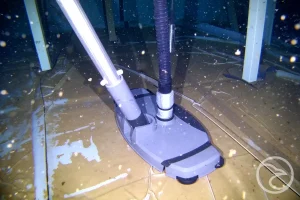
Removing sediment without appropriate procedures can create safety risks or damage internal components. Professional assessment may be necessary where access is restricted or deposits are extensive.
2. Blocked Inlets and Outlets
Blocked drainage connections can significantly affect detention tank operation. Inlets allow stormwater to enter the system. Outlets control how stored water leaves the tank.
Problems with either component can disrupt normal water movement.
Common Causes of Blockages
Stormwater carries different materials depending on the surrounding environment. Leaves and organic debris may accumulate near drainage openings.
Plastic waste, packaging, and other litter can also enter stormwater networks.
Common blockage sources include:
- Leaves and branches.
- Sediment deposits.
- Plastic and general litter.
- Construction debris.
- Displaced drainage components.
- Material trapped around screens or grates.
Blockages may develop gradually or occur suddenly during heavy rainfall.
What Happens when an Outlet Becomes Blocked?
A detention tank relies on its outlet arrangement to release water at the intended rate. When an outlet becomes obstructed, water may remain inside longer than expected. Depending on the system design, prolonged water retention can reduce available capacity before subsequent rainfall.
Severe restrictions may contribute to unexpected water levels or overflow conditions. However, not every instance of standing water indicates a blockage.
Some detention systems include permanent storage zones or other design features. The expected operating conditions should be confirmed before diagnosing a fault.
Signs of Restricted Drainage
Possible warning signs include:
- Water remaining unusually high after rainfall.
- Slow drainage compared with previous operating conditions.
- Visible debris around outlet structures.
- Repeated overflow during rainfall events.
- Unusual water movement near accessible connections.
These observations should be assessed against the system’s design requirements. Property owners should avoid entering confined drainage structures to investigate suspected blockages.
3. Structural Damage and Deterioration
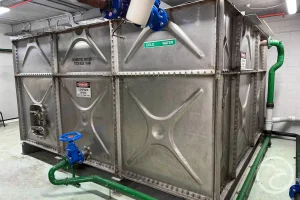
Stormwater detention tanks may be constructed using concrete, steel, or other suitable materials. Their structural requirements depend on installation conditions, loads, groundwater, and the surrounding environment.
Over time, deterioration can affect certain components.
Common Structural Concerns
Potential issues include:
- Cracking in concrete surfaces.
- Corrosion of exposed metal components.
- Damaged joints or connections.
- Deteriorated seals.
- Displaced covers or access components.
- Signs of movement around the tank.
- Localised damage near inlet and outlet connections.
Not every visible crack or surface change indicates serious structural failure. However, deterioration should be assessed according to its location, extent, and potential consequences.
Why Structural Problems Matter
Structural defects may affect the tank’s ability to operate as intended. Some defects allow water to escape through unintended pathways.
Others permit groundwater or surrounding material to enter the structure. Damage near connections may also contribute to sediment movement or drainage restrictions.
In underground installations, structural problems can be difficult to identify without suitable inspection access. This makes documented condition assessments particularly valuable.
Early Warning Signs
Facility managers should pay attention to:
- New or expanding visible cracks.
- Corrosion around accessible fittings.
- Water appearing in unexpected locations.
- Movement around covers or access structures.
- Repeated leakage concerns.
- Damage recorded during previous inspections.
These signs require interpretation by suitably qualified personnel. Visible symptoms alone may not establish the cause or severity of structural damage.
4. Unexpected Water Levels and Poor Drainage
Unexpected water levels are another potential indicator of stormwater detention system problems. A detention tank should operate according to its approved design and drainage arrangement.
The expected emptying period varies between systems. Therefore, there is no single drainage time that applies to every detention tank.
Why Water may Remain Inside a Detention Tank
Several conditions can contribute to prolonged water retention.
These include:
- Partially blocked outlets.
- Sediment accumulation.
- Restricted downstream drainage.
- Changes to connected pipework.
- Faulty or displaced flow-control components.
- Backwater effects from downstream infrastructure.
Some systems may also be designed to retain water permanently within designated areas. For this reason, standing water should not automatically be treated as a defect.
The relevant design documents can help establish expected operating conditions.
Why Slow Drainage can Become a Problem
When water remains above its intended level, the tank may have less capacity available for subsequent rainfall. This can affect how the system responds during closely spaced storm events.
The consequences depend on rainfall conditions, downstream infrastructure, and available storage volume. Unexpected water retention can also complicate cleaning and inspection activities.
Investigating the cause is more useful than assuming the tank simply needs cleaning.
5. Problems with Flow-Control Components
Flow-control arrangements are important elements of stormwater detention systems. They regulate the release of stored runoff into downstream drainage infrastructure.
Depending on the design, a system may use an orifice, outlet pipe, control pit, or other arrangement. These components must remain in suitable condition to perform their intended function.
What can go Wrong?
Common concerns include:
- Debris obstructing a control opening.
- Sediment collecting near the outlet.
- Damage to connected pipework.
- Displaced or deteriorated components.
- Unauthorised modifications.
- Restricted access for maintenance.
Even relatively small obstructions can affect components with narrow openings. However, the impact depends on the specific outlet arrangement.
Why Flow-Control Problems Require Attention
A detention system is designed around particular storage and discharge conditions. Changes to its outlet arrangement may alter how water moves through the system.
Restricted discharge can increase water retention. Uncontrolled discharge may also prevent the system from operating as intended.
These concerns should be assessed against the approved design rather than general assumptions. Flow-control components should not be modified without appropriate technical advice and authorisation.
6. Debris, Organic Material and Contamination
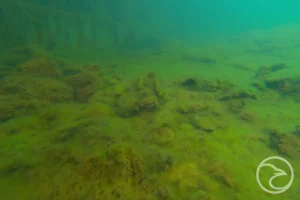
Organic debris and nutrient-rich runoff can contribute to biological activity in stormwater detention systems. Where sufficient light is available, these conditions may also encourage algae growth in water storage tanks.
Understanding these factors helps facility managers identify contamination risks and improve preventive maintenance.
Common Materials Found in Stormwater Systems
Examples include:
- Leaves and vegetation.
- Soil and sediment.
- Road dust.
- Litter and packaging.
- Organic matter.
- Oil residues from paved areas.
- Other pollutants carried by runoff.
The type and quantity of material depend on the catchment. Accumulated debris can interfere with drainage components and complicate maintenance.
Organic deposits may also create unpleasant odours under certain conditions.
Why Contamination Matters
Stormwater detention tanks are primarily designed to manage runoff. They are not necessarily intended to treat water to a particular quality standard.
However, accumulated pollutants can still create operational and environmental concerns. Some materials may require specialised handling or disposal.
Maintenance procedures should account for the likely characteristics of collected sediment and debris. Facilities should avoid discharging contaminated cleaning water into unsuitable locations.
7. Access and Maintenance Difficulties
Some stormwater detention tanks are installed underground or beneath developed areas. These locations can create practical challenges for inspection and maintenance.
Restricted access may make it difficult to observe internal surfaces or drainage components.
Common Access Problems
Examples include:
- Inspection openings obstructed by surrounding structures.
- Covers that cannot be opened safely.
- Limited visibility inside the tank.
- Restricted space around internal components.
- Poorly documented access arrangements.
- Sediment obstructing inspection areas.
These conditions can delay the identification of developing problems. They may also increase the complexity of cleaning or repair work.
Why Safe Access Matters
Underground tanks and drainage structures can present confined-space hazards. Potential risks include hazardous atmospheres, restricted entry, unexpected water movement, and difficult emergency access.
Entry should only occur under suitable procedures and applicable safety requirements. Property owners should not attempt to enter detention tanks without appropriate training and controls.
Where direct entry is unsuitable, alternative inspection methods may be considered. The appropriate method depends on access conditions and the assessment required.
8. How to Identify Detention Tank Problems Early
Early identification begins with understanding normal system behaviour. Facility managers should know where the tank is located and how accessible components are arranged.
Available design documents and previous maintenance reports can provide useful reference information.
Check Visible Drainage Components
Accessible inlets, grates, and surrounding drainage areas may reveal obvious problems. Look for accumulated litter, sediment, displaced covers, or unusual surface damage.
Observations should be recorded without entering hazardous areas.
Monitor Performance After Rainfall
Rainfall events can reveal changes in drainage behaviour. Unexpected ponding, repeated overflow, or unusually prolonged water retention may justify further investigation.
However, these observations should be considered alongside rainfall intensity and downstream drainage conditions.
Review Previous Inspection Findings
Inspection records can help identify recurring issues. For example, repeated sediment accumulation may indicate an upstream source that needs attention.
Recurring blockages may suggest a problem with debris control or component accessibility. Comparing findings over time helps distinguish isolated incidents from ongoing maintenance concerns.
Record Changes in Condition
Useful records may include:
- Inspection dates.
- Visible defects.
- Locations of sediment deposits.
- Blockage observations.
- Drainage performance concerns.
- Completed maintenance activities.
- Recommended follow-up actions.
Consistent documentation supports future assessments and maintenance planning.
9. When is a Professional Inspection Necessary?
Some detention tank problems are visible during routine external checks. Others involve internal components, restricted spaces, or structural conditions that require specialist assessment.
Professional inspection may be appropriate when:
- Water remains unexpectedly high after rainfall.
- Blockages occur repeatedly.
- Sediment accumulation appears excessive.
- Structural damage is suspected.
- Internal components cannot be assessed safely.
- Previous maintenance has not resolved drainage problems.
- The system’s operating condition is uncertain.
The purpose of an inspection is to establish the actual condition of the system. Findings can then inform suitable maintenance, cleaning, repair, or further investigation. Persistent drainage problems may indicate blockages, sediment accumulation, or structural deterioration.
Professional stormwater detention tank inspections can help identify these issues and determine appropriate maintenance requirements. The assessment should consider the tank’s design, access conditions, and relevant operating requirements.
10. Preventing Common Stormwater Detention Tank Problems
Preventive maintenance can reduce the likelihood of avoidable operational problems. However, the appropriate maintenance programme depends on the system’s design and site conditions.
A large commercial detention tank may require different arrangements from a smaller residential installation.
Keep Accessible Drainage Areas Clear
Leaves, litter, and sediment can collect around surface drainage components. Maintaining these areas helps reduce the amount of material entering the system.
Cleaning should be carried out using suitable methods and safety procedures.
Manage Sediment Sources
Sediment often originates outside the tank. Landscaping work, exposed soil, and construction activities can increase the amount of material entering drainage systems.
Managing these sources may reduce internal cleaning requirements.
Maintain Inspection Access
Access points should remain identifiable and accessible to authorised personnel. Covers, surrounding structures, and maintenance areas should be kept in suitable condition.
Restricted access can make routine assessment more difficult.
Review Drainage Performance
Changes in drainage behaviour may indicate developing problems. Comparing observations after similar rainfall conditions can help identify unusual patterns.
Significant changes should be investigated rather than ignored.
Follow an Appropriate Maintenance Programme
Maintenance intervals should reflect site conditions, system requirements, and previous findings. A fixed schedule may not address every risk.
For example, systems receiving substantial sediment loads may need more frequent attention. Maintenance plans should also account for relevant approval conditions and local authority requirements.
11. Common Mistakes in Detention Tank Maintenance
Some maintenance approaches can leave underlying problems unresolved. Understanding these mistakes helps facility managers make better decisions.
Assuming Every Problem Is Caused by Sediment
Sediment accumulation is common, but it is not the only cause of poor drainage. Blocked outlets, downstream restrictions, and damaged components can produce similar symptoms.
The actual cause should be established before selecting corrective work.
Ignoring Repeated Blockages
Removing debris may restore flow temporarily. However, repeated blockages can indicate an unresolved source of material or an access problem.
Investigating recurring issues can help prevent unnecessary repeat maintenance.
Overlooking Structural Deterioration
Cleaning does not resolve damaged joints, deteriorated connections, or structural defects. These concerns may require separate assessment and repair planning.
Modifying Outlets without Technical Advice
Outlet arrangements are important to detention system performance. Unauthorised modifications may affect discharge conditions.
Changes should be assessed against the approved design and applicable requirements.
Relying Only on Visual Checks
External observations can identify some problems. However, they may not reveal internal sediment deposits, concealed damage, or restricted flow-control components.
Additional assessment may be necessary when operating problems remain unexplained.
12. Stormwater Detention Tank Maintenance Checklist
A practical checklist can help facility managers organise routine observations. The following items provide a general starting point.
| Component | What to Check | Potential Concern |
|---|---|---|
| Surface drainage inlets | Debris and sediment | Restricted inflow |
| Accessible outlet areas | Visible obstructions | Slow drainage |
| Inspection covers | Condition and accessibility | Unsafe or restricted access |
| Surrounding ground | Settlement or unexpected water | Possible structural or drainage issues |
| Visible tank surfaces | Cracks, corrosion, or deterioration | Potential damage |
| Drainage performance | Unusual water retention | Possible outlet restriction |
| Maintenance records | Repeated defects | Unresolved underlying problems |
This checklist does not replace a system-specific inspection procedure. More detailed assessments may be necessary for concealed components or suspected structural defects.
Conclusion
Stormwater detention tanks play an important role in managing runoff from developed sites. However, sediment accumulation, blocked outlets, structural deterioration, and restricted access can affect their operation.
Many problems develop gradually and may remain unnoticed between rainfall events. Understanding the warning signs helps facility managers identify potential concerns and plan appropriate maintenance.
Routine observations, documented assessments, and suitable cleaning procedures can support reliable system performance. When drainage behaviour changes or internal conditions remain uncertain, professional assessment can help establish the next steps.