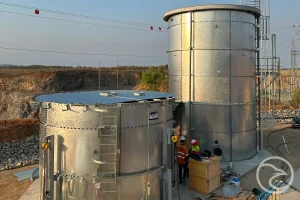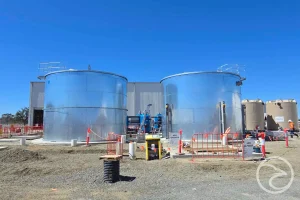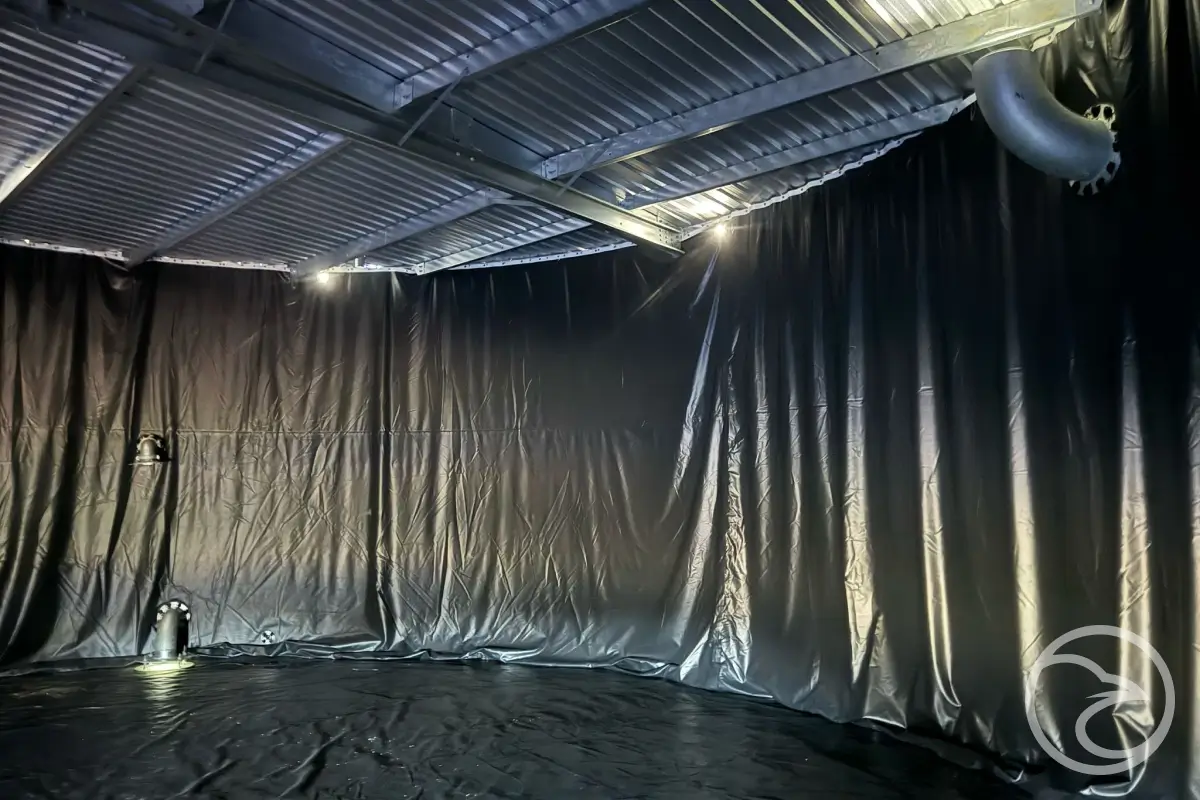
Water and industrial storage tanks are constantly exposed to moisture, chemicals, and environmental stress. Over time, even well-constructed steel or concrete tanks can begin to deteriorate. To extend service life and maintain structural integrity, many facilities rely on flexible lining solutions.
Understanding the benefits of flexible tank lining systems helps asset owners protect infrastructure while reducing long-term maintenance costs.
1. Effective Corrosion Protection
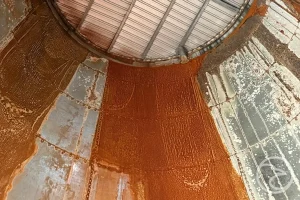
Corrosion is one of the most common causes of tank failure. When steel surfaces are exposed to water and oxygen, oxidation gradually weakens the structure. Concrete tanks can also suffer from chemical degradation and cracking.
Flexible tank lining systems create a protective internal barrier between the stored liquid and the tank structure. This barrier:
- Prevents direct contact with corrosive elements
- Reduces oxidation and rust formation
- Protects weld seams and joints
- Minimizes internal structural deterioration
By isolating the tank shell from aggressive conditions, lining systems significantly slow down material degradation.
2. Extended Tank Lifespan
One of the most important benefits of flexible tank lining systems is lifespan extension. Instead of replacing an entire tank, operators can install or upgrade a liner to restore internal protection.
This approach allows facilities to:
- Preserve existing infrastructure
- Delay costly capital replacement
- Improve long-term asset performance
- Maintain regulatory compliance
In many cases, relining a tank can add years or even decades to its usable life.
3. Adaptability to Different Tank Types
Flexible lining systems can be installed in a wide range of storage structures, including:
- Steel tanks
- Concrete reservoirs
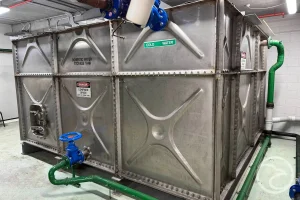
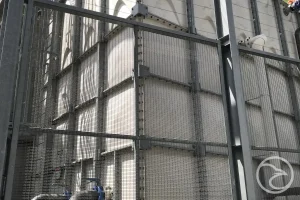
- Sectional panel systems
- Fire water storage
- Potable water tanks
Because liners are manufactured to match the tank’s dimensions, they provide full internal coverage regardless of size or shape. This adaptability makes them suitable for both industrial and municipal applications.
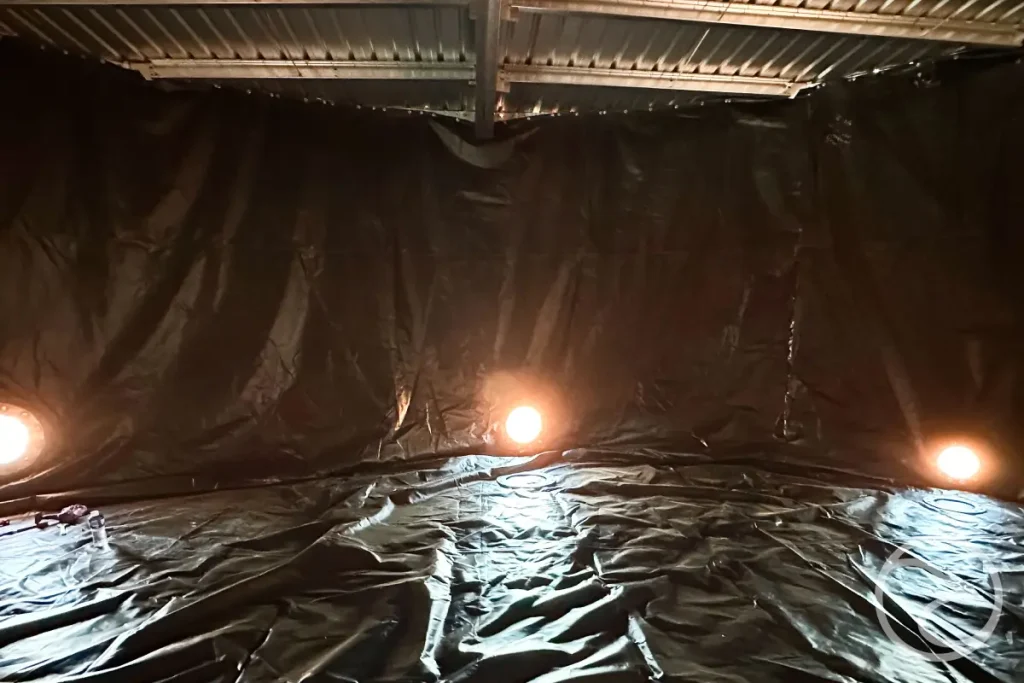
One commonly used solution is PVC tank liners, which provide a flexible and corrosion-resistant membrane for steel and concrete tanks.
4. Reduced Downtime During Installation
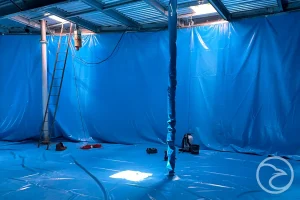
Compared to full tank replacement, installing a flexible lining system typically requires less structural modification. The process generally involves surface preparation, inspection, and liner fitting without dismantling the entire tank.
As a result, facilities benefit from:
- Shorter project timelines
- Reduced operational disruption
- Lower labor intensity
- Faster return to service
Minimizing downtime is particularly important for fire protection systems and potable water storage, where continuous availability is critical.
5. Improved Water Quality Protection
In potable and treated water systems, maintaining internal cleanliness is essential. Flexible liners create a smooth internal surface that reduces sediment buildup and microbial growth.
Water quality benefits include:
- Reduced contamination risk
- Lower chance of internal scaling
- Improved compliance with water safety standards
- Easier cleaning and maintenance
By acting as a controlled barrier, the liner helps maintain stable internal conditions.
6. Structural Movement Tolerance
Unlike rigid coatings, flexible lining systems can accommodate minor structural movement. Tanks expand and contract due to temperature changes, pressure variations, and environmental factors.
Flexible membranes:
- Adjust to thermal expansion
- Absorb minor structural shifts
- Maintain watertight integrity
- Reduce the risk of cracking
This flexibility makes them particularly suitable for large industrial storage tanks exposed to fluctuating conditions.
7. Cost-Effective Infrastructure Management
When evaluating long-term infrastructure strategy, relining often proves more cost-effective than full replacement. Benefits include:
- Lower material costs compared to new tank construction
- Reduced demolition and disposal expenses
- Extended return on original investment
- Predictable maintenance planning
Over time, flexible tank lining systems support proactive asset management rather than reactive repair cycles.
8. Compatibility with Secondary Containment Requirements
In industrial environments, regulatory standards may require additional containment measures. Flexible liners can support secondary containment strategies by preventing leaks from reaching the structural shell.
This added protection reduces environmental risk and improves compliance with safety guidelines. For a more detailed overview of available lining solutions, you can explore our dedicated service page.
Final Thoughts
The benefits of flexible tank lining systems extend far beyond simple leak prevention. From corrosion resistance and lifespan extension to improved water quality and reduced downtime, these systems offer a practical solution for maintaining aging storage infrastructure.
By creating a protective barrier between stored liquids and structural materials, flexible liners help facilities improve safety, efficiency, and long-term performance without the need for complete tank replacement.