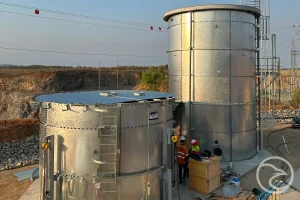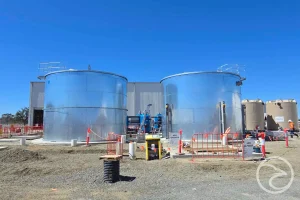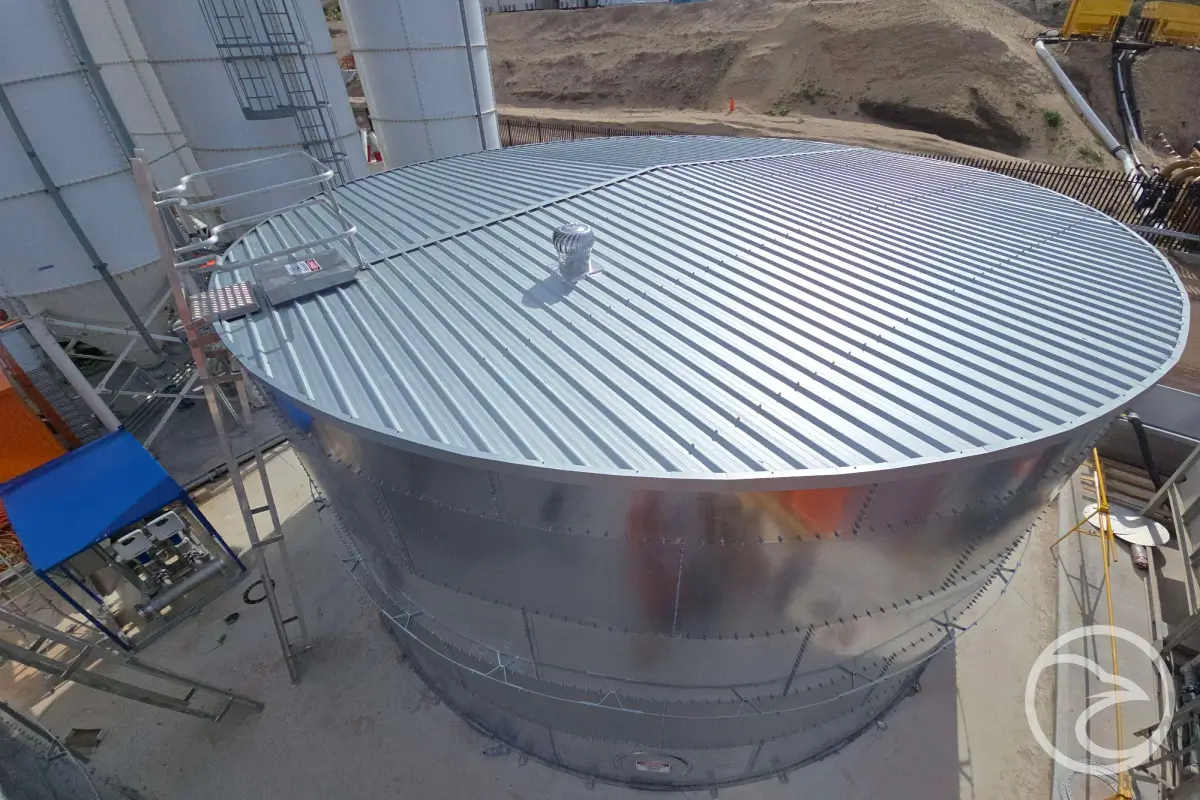
Water storage tanks play a critical role in commercial, industrial, agricultural, and fire protection applications throughout Australia. Whether a tank is used for potable water, process water, irrigation, or emergency reserves, compliance with relevant standards helps ensure safety, reliability, and long-term performance.
Australian Standards provide guidelines for design, construction, installation, inspection, and maintenance. These standards help manufacturers, engineers, and asset owners achieve consistent quality while reducing operational risks.
For galvanised steel tanks, understanding the applicable standards is an important part of selecting and maintaining a compliant storage solution.
This guide explains the key Australian Standards that may apply to galvanised water tanks and why compliance matters.
Why Standards Matter for Water Storage Tanks
Water tanks are long-term infrastructure assets. Poor design, inadequate materials, or improper installation can lead to structural failures, water quality issues, and costly repairs.
Australian Standards help establish requirements for:
- Structural integrity
- Material quality
- Corrosion protection
- Safety considerations
- Installation practices
- Inspection procedures
- Ongoing maintenance
Compliance provides greater confidence that a tank can perform as intended throughout its service life.
Understanding Galvanised Water Tanks
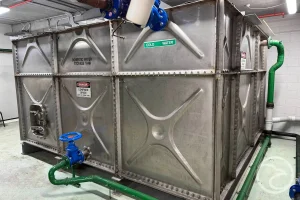
Galvanised water tanks are manufactured using steel components protected by a zinc coating. This coating helps reduce corrosion and extend the lifespan of the structure.
The corrosion resistance achieved through hot dip galvanising explained is one reason galvanised steel remains a widely used material for water storage infrastructure across Australia.
The suitability of a galvanised tank depends on factors such as location, operating conditions, water quality, and intended application.
Key Australian Standards Relevant to Water Tanks
There is no single Australian Standard that governs every type of water tank. Instead, several standards may apply depending on the project.
Understanding these standards helps asset owners make informed decisions.
AS/NZS 1170 – Structural Design Actions
The AS/NZS 1170 series provides requirements for structural design loads.
These may include:
- Wind loads
- Dead loads
- Live loads
- Environmental actions
For large water storage systems, structural design must account for local environmental conditions. Wind loading is particularly important in many regions of Australia.
AS 4100 – Steel Structures
AS 4100 provides requirements for the design and construction of steel structures. This standard is commonly referenced when designing steel tank systems and supporting structures.
Compliance helps ensure adequate strength, stability, and structural performance.
AS/NZS 4680 – Hot-Dip Galvanized Coatings
AS/NZS 4680 is one of the most relevant standards for galvanised steel products. The standard specifies requirements for hot-dip galvanised coatings applied after fabrication.
It addresses:
- Coating quality
- Coating thickness
- Surface finish
- Inspection requirements
Compliance helps ensure consistent corrosion protection. Many manufacturers of hdg tanks use galvanising processes that align with this standard.
AS 1657 – Fixed Platforms, Walkways, Stairways and Ladders
Water tanks often require access systems for inspection and maintenance.
AS 1657 provides guidance for:
- Walkways
- Access ladders
- Platforms
- Guardrails
Safe access is an important consideration throughout the operational life of a tank.
National Construction Code (NCC)
The National Construction Code may also influence tank design requirements. The NCC works alongside Australian Standards and local regulations.
Specific requirements depend on the type of project and facility.
Standards for Fire Water Storage
Fire protection infrastructure may be subject to additional requirements. Facilities that rely on dedicated fire reserves must ensure sufficient water storage capacity and reliable system performance.
Many projects integrate galvanised tanks into emergency water supply systems because of their durability and long service life.
For facilities requiring dedicated emergency reserves, galvanised tanks for fire protection systems are commonly used as part of broader fire safety strategies.
Fire protection projects may also require consultation with local authorities, engineers, and fire safety specialists.
Corrosion Protection Requirements
Corrosion is one of the most important considerations for steel water tanks. Australian standards help establish minimum requirements for protective coatings and material performance.
Several factors influence corrosion rates:
- Environmental exposure
- Humidity
- Airborne contaminants
- Water chemistry
- Coastal conditions
Selecting the appropriate coating system helps support long-term asset reliability.
Installation Considerations
Compliance does not end with manufacturing. Proper installation is equally important.
Key considerations include:
- Foundation design
- Site preparation
- Drainage
- Access requirements
- Structural support systems
Improper installation can negatively affect tank performance regardless of manufacturing quality. Project-specific engineering assessments are often recommended for larger installations.
Inspection and Maintenance Requirements
Routine inspections are essential for maintaining compliance and operational performance.
Regular inspections help identify:
- Coating damage
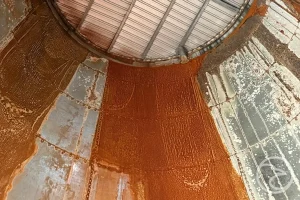
- Corrosion development
- Structural concerns
- Safety issues
- Maintenance requirements
Early identification of problems can reduce repair costs and extend service life. Many organisations incorporate tank inspections into broader asset management programs.
Choosing a Compliant Water Tank Solution
Selecting a water tank involves more than evaluating capacity and price.
Decision-makers should also consider:
- Applicable standards
- Environmental conditions
- Intended use
- Water quality requirements
- Long-term maintenance expectations
- Regulatory obligations
Working with experienced manufacturers and engineers can help ensure compliance throughout the project lifecycle.
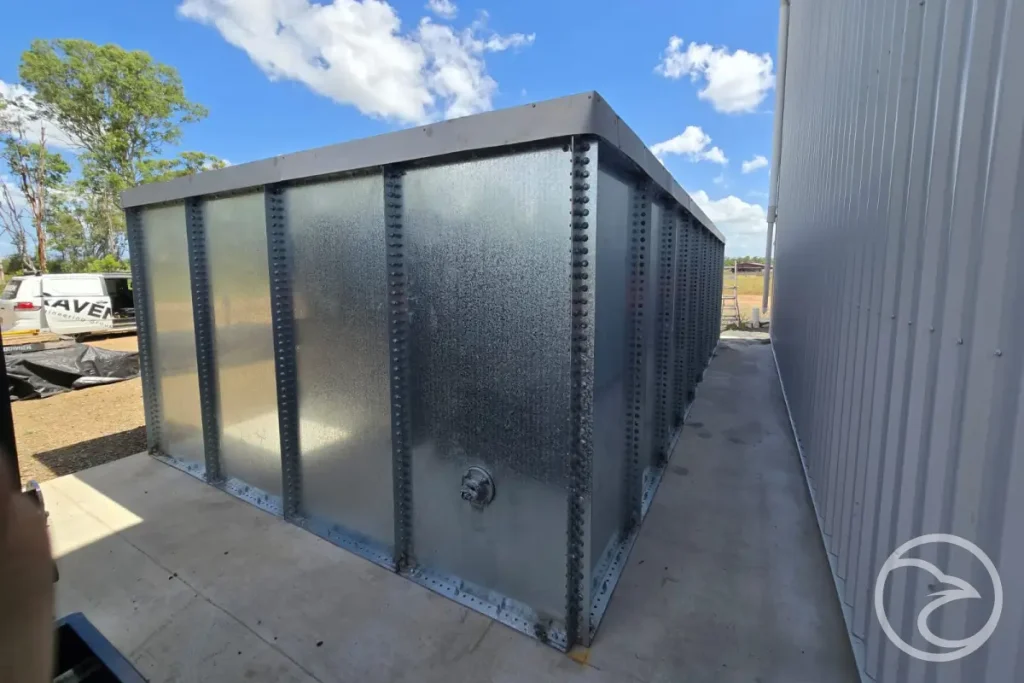
Benefits of Standards Compliance
Compliance provides several long-term advantages.
These include:
- Improved reliability
- Greater safety
- Consistent quality
- Reduced operational risk
- Better asset performance
- Longer service life
For critical infrastructure, compliance can also simplify inspections and regulatory reviews.
Conclusion
Australian Standards play an important role in the design, manufacture, installation, and maintenance of galvanised water tanks. Rather than relying on a single regulation, water storage projects typically involve multiple standards that address structural performance, corrosion protection, safety, and installation requirements.
Understanding these requirements helps asset owners make informed decisions and achieve long-term reliability.
Whether a tank is used for municipal infrastructure, industrial operations, agriculture, or fire protection, compliance with relevant Australian Standards remains a key factor in ensuring safe and effective water storage.