Fire water tanks are essential for reliable fire protection systems. They provide a dedicated water supply during emergencies.
Different tank types are used depending on site conditions and system requirements. Choosing the right type improves performance and long-term reliability.
Why Tank Type Matters
The type of fire water tank affects durability and installation. It also influences cost and maintenance requirements.
Each option has strengths and limitations. Understanding these differences helps you make better decisions.
To understand system basics, see how do fire water tanks work.
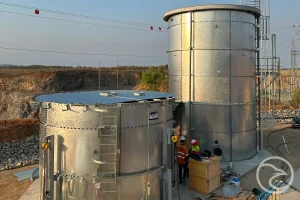
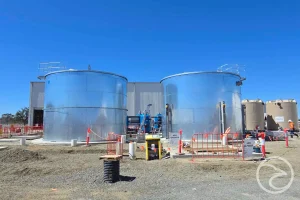
Steel Fire Water Tanks
Steel tanks are widely used in fire protection systems. They offer strong structural integrity and long service life. These tanks are suitable for large-scale applications. They can handle high pressure and demanding conditions.
Steel tanks are often used in industrial and commercial sites. They are also relatively quick to install.
Concrete Fire Water Tanks
Concrete tanks are known for durability and stability. They perform well in permanent installations. These tanks are ideal for underground or large-volume storage. They resist environmental damage and structural movement.
However, installation can be more complex and time-consuming. They are best suited for long-term projects.
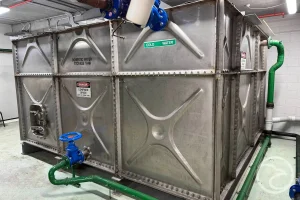
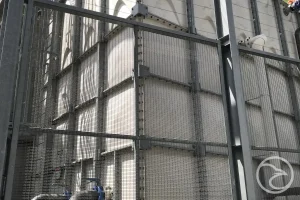
Panel Fire Water Tanks
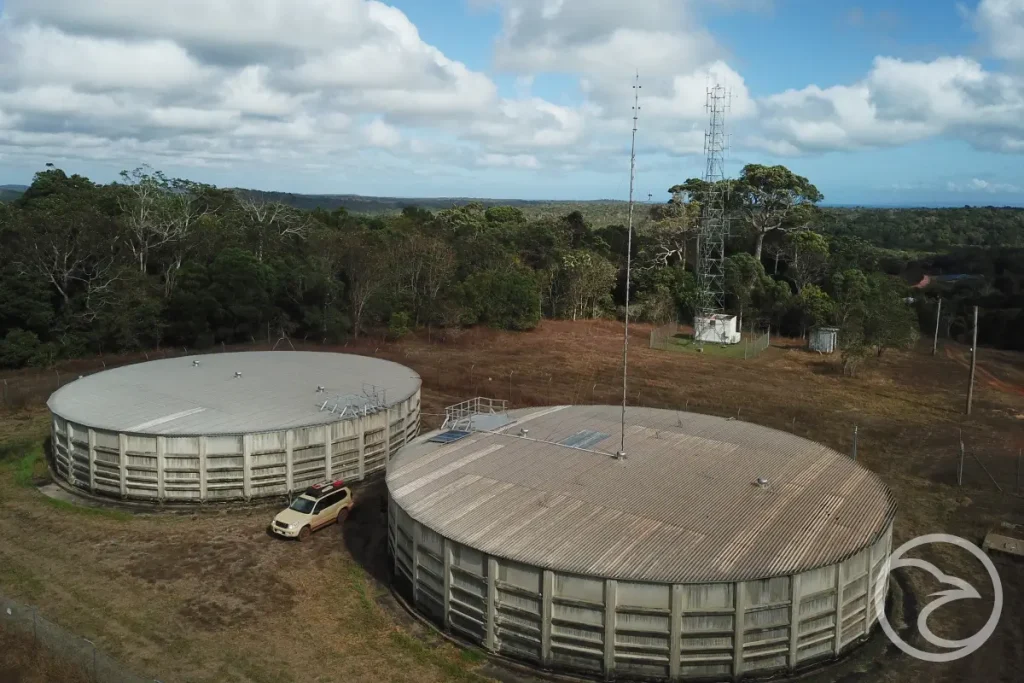
Panel tanks are assembled from modular sections. They offer flexibility in size and design. These tanks are easy to transport and install on-site. They are a popular choice for commercial buildings.
Panel systems can be expanded if capacity needs increase. This makes them a scalable solution.
Poly and Plastic Tanks
Poly tanks are lightweight and cost-effective. They are often used in smaller or temporary applications. These tanks are easy to install and require minimal preparation. However, they may not suit high-demand systems.
They are commonly used in agricultural or low-risk environments.
Above-Ground vs Underground Tanks
Fire water tanks can be installed above or below ground. Each option offers different benefits. Above-ground tanks are easier to access and maintain. They also have lower installation costs.
Underground tanks save space and offer better protection. However, they require more complex installation.
To explore this further, see above-ground vs underground fire water tanks.
Factors to Consider when Choosing a Tank
Selecting the right tank depends on several factors. These include capacity, location, and system requirements. Budget and installation conditions also play a role. Environmental exposure may affect material choice.
For sizing guidance, see how to calculate fire water tank capacity.
System Compatibility
Fire water tanks must integrate with fire protection systems. These include hydrants, sprinklers, and suppression systems.
The chosen tank must deliver water at the required pressure. Compatibility ensures reliable system performance.
To compare system types, see fire water tanks vs sprinkler systems.
Compliance and Standards
Fire water tanks must meet relevant safety standards. These standards ensure proper performance during emergencies.
In Australia, systems often follow AS 1851. Compliance is essential for safety and legal requirements.
Final Thoughts
There are several types of fire water tanks available today. Each type offers unique benefits depending on application.
Choosing the right tank improves system performance and reliability. It also helps meet safety and compliance requirements.