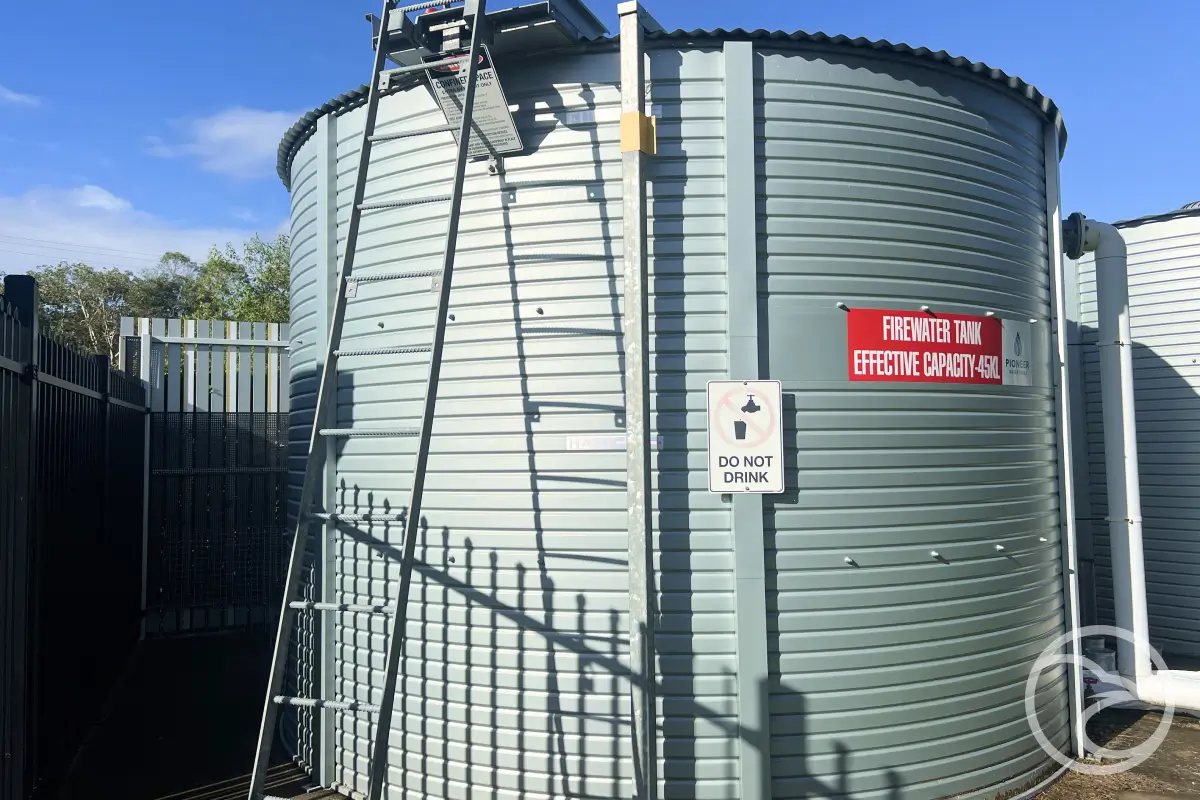
Water storage systems play a critical role in daily operations across many industries. While they are often viewed as static assets, the way these systems are managed has a direct impact on operating expenses. Understanding how water storage management costs evolve over time helps explain why effective management is closely linked to cost reduction.
Hidden Costs of Poor Water Storage Management
When water storage systems are not managed effectively, costs tend to accumulate gradually rather than appearing all at once. Inefficient use of storage capacity can lead to unnecessary energy consumption, inconsistent supply, and avoidable water losses. These issues often remain unnoticed because they develop slowly and are spread across multiple operational areas.
Inconsistent storage levels can also increase strain on connected systems. Pumps, valves, and distribution components may operate outside optimal conditions, indirectly increasing operating expenses even if no immediate failures occur.
Optimizing Storage Capacity and Water Use
Effective water storage management focuses on using available capacity in a balanced and controlled way. Overfilling or underutilizing tanks can both contribute to higher operating costs. Excess volume may require additional energy to move or maintain, while insufficient storage can lead to frequent system adjustments.
By aligning storage levels with actual demand patterns, facilities can reduce unnecessary energy use and stabilize daily operations. This alignment supports predictable performance and helps limit cost variability over time.
Water Quality and Operational Efficiency
Water quality is another factor closely linked to water storage management costs. Poor internal conditions can affect how water behaves within a system, influencing flow consistency and usability. When water quality fluctuates, additional processes may be required downstream to compensate, increasing operational expenses.
Maintaining stable internal conditions within storage systems supports consistent water quality. This stability reduces the likelihood of unexpected adjustments and contributes to smoother overall system performance.

Energy Consumption and System Stability
Energy usage often represents a significant portion of operating costs associated with water storage systems. Fluctuating water levels and inconsistent flow patterns can increase energy demand, particularly in systems that rely on pumps to regulate supply.
Effective management promotes steady operating conditions, allowing systems to run closer to optimal efficiency. Over time, this consistency can translate into noticeable reductions in energy-related expenses.
Predictability and Long-Term Cost Control
One of the less obvious benefits of effective water storage management is improved cost predictability. Systems that operate under stable conditions are easier to monitor and plan around. This predictability reduces the likelihood of sudden operational changes that can drive costs higher.
When storage systems behave consistently, organizations can better forecast usage patterns and allocate resources more efficiently. This long-term perspective supports better financial planning and cost control.
Reducing Waste and Unnecessary Losses
Water losses, whether from overflow, inefficient transfer, or inconsistent use, directly affect operating costs. Effective management helps identify and reduce these losses by promoting balanced storage levels and controlled system behavior.
Even small reductions in waste can have a cumulative impact over time. By minimizing inefficiencies at the storage level, organizations can improve overall resource utilization without altering system capacity.
Why Management Matters More than Capacity
Increasing storage capacity is not always the most cost-effective solution. In many cases, optimizing how existing systems are managed delivers greater cost benefits than expanding infrastructure. Effective management focuses on maximizing performance within current limits rather than relying on additional assets.
Understanding water storage management costs highlights the importance of operational discipline. Well-managed systems tend to be more efficient, predictable, and economical over their operational lifespan.