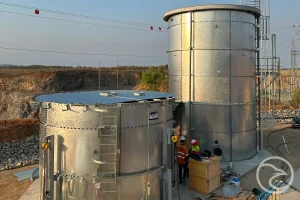
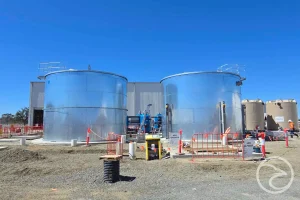
Not all underwater work takes place in clear or controlled conditions. In many industrial and municipal settings, divers are required to operate in water that contains chemical residues, biological hazards, or suspended contaminants. In such cases, diving in contaminated environments presents risks that go beyond standard underwater operations and requires a specialised approach.
This article explains when professional contamination diving is required and what circumstances typically lead to its use, without focusing on service delivery or commercial considerations.
What is Considered a Contaminated Diving Environment?
A contaminated diving environment is any underwater setting where water quality poses potential health, safety, or operational risks. These environments may contain harmful substances that affect visibility, equipment integrity, or diver exposure.
Common examples include:
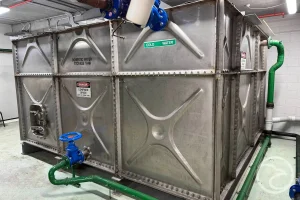
- industrial tanks or reservoirs with chemical residues
- wastewater and sewage infrastructure
- stormwater or runoff systems
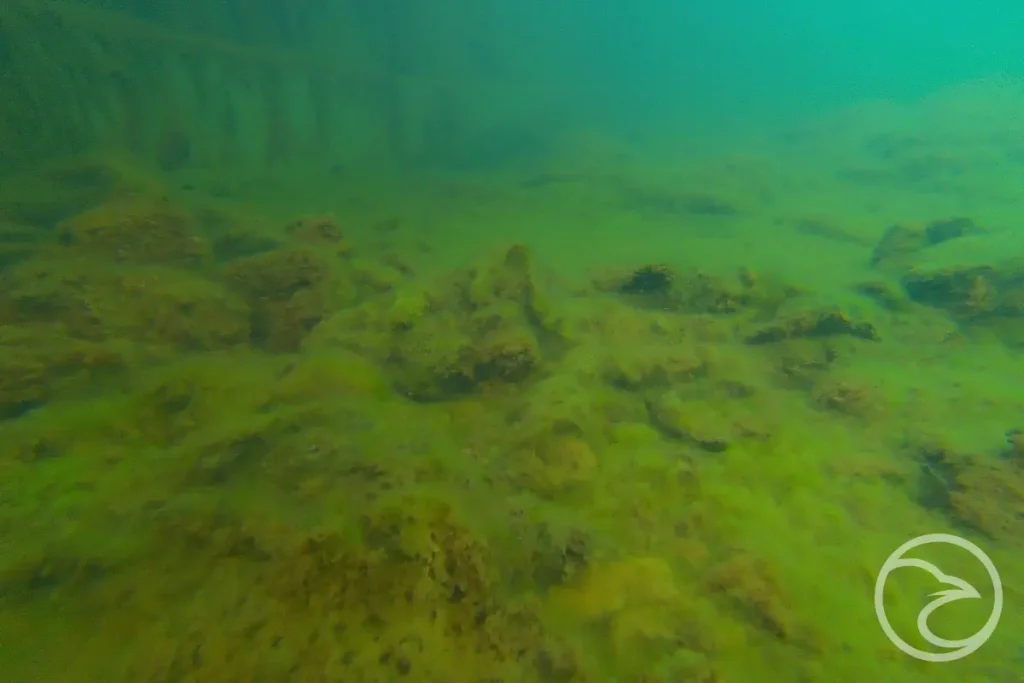
- tanks affected by biological growth or sediment buildup
- confined water bodies with limited circulation
In these settings, standard diving assumptions no longer apply, and risk assessment becomes a critical factor.
Why Standard Diving Methods are not Suitable
Traditional commercial diving typically assumes relatively clean water and predictable conditions. However, diving in contaminated environments introduces additional variables that cannot be managed through conventional procedures alone.
Key challenges include:
- reduced or zero visibility
- unknown chemical or biological exposure
- potential for skin contact or inhalation risks
- accelerated wear on diving equipment
- restricted access and confined space conditions
Because of these factors, contamination diving is treated as a distinct operational category rather than a variation of standard diving.
Situations where Contamination Diving is Required
Professional contamination diving is generally required when underwater tasks cannot be performed remotely and environmental conditions prevent safe conventional access.
Typical scenarios include:
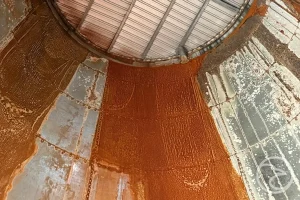
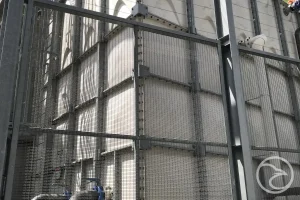
- internal inspections or maintenance inside tanks containing residues
- removal of debris or obstructions in contaminated water systems
- assessment of submerged structures affected by industrial discharge
- recovery or intervention tasks where remote tools are not suitable
In many cases, these situations arise when visual inspection, ROVs, or drones cannot provide sufficient access or physical interaction.
Safety and Operational Considerations
Working in contaminated water requires heightened attention to safety planning and environmental control. Divers operating in these conditions rely on strict procedures to limit exposure and manage risks.
Important considerations typically include:
- controlled entry and exit protocols
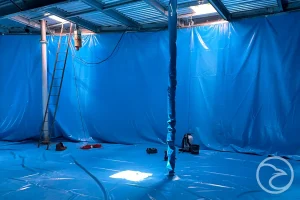
- isolation of contaminated zones
- monitoring of environmental conditions
- coordination with surface teams
These factors influence when contamination diving is chosen and why it is reserved for situations where other options are not feasible.
Why Understanding these Conditions Matters
Recognising when diving in contaminated environments is required helps decision-makers choose the most appropriate approach for underwater tasks. It also clarifies why such operations are planned differently from standard diving activities and why they are not undertaken unless necessary.
By understanding the conditions that define contaminated environments, stakeholders can better evaluate operational constraints, safety implications, and the role of specialised diving within broader inspection and maintenance strategies.
Final Thoughts
Diving in contaminated environments represents one of the most challenging forms of underwater work. It is required when water quality, confined conditions, or operational demands prevent the use of conventional methods. Understanding when and why professional contamination diving is required provides valuable context for assessing underwater operations in industrial and infrastructure settings, without reducing the topic to service-based decisions.
For additional technical context, further information is available through guidance on diving in contaminated underwater conditions.