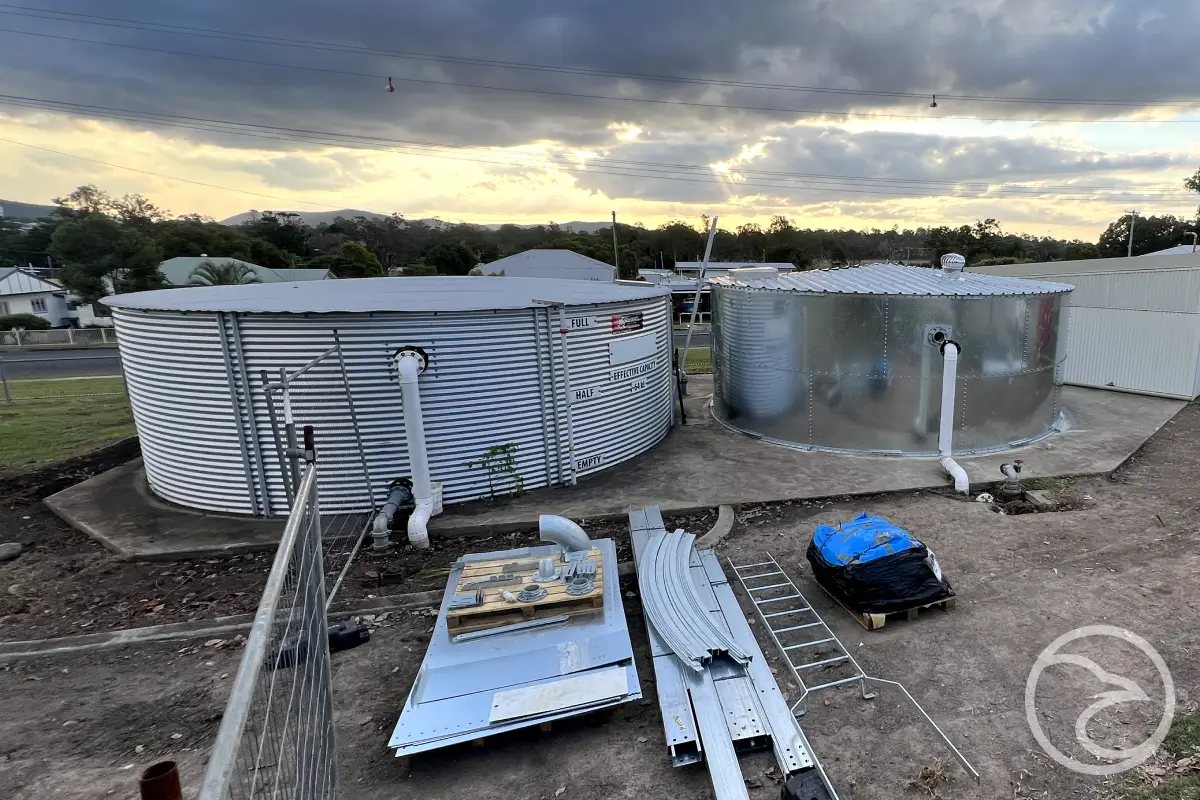
Fire protection systems depend on reliable water storage conditions. Poor tank condition can reduce system performance over time. Many maintenance problems develop gradually. Small issues may eventually affect emergency system reliability.
Corrosion, leaks, contamination, and structural damage all influence performance. These problems often remain unnoticed during normal operation.
Understanding operational risks supports effective fire tank maintenance.
Reduced Water Pressure
Stable water pressure is essential for fire protection systems. Poor tank condition may affect pressure consistency over time.
Several maintenance issues can reduce pressure stability:
- internal leaks
- sediment build-up
- blocked components
- damaged fittings
- corrosion
Water loss sometimes occurs slowly. Pressure problems may remain difficult to detect initially. Sediment accumulation can restrict water movement inside connected systems. Corrosion may also affect pipe efficiency.
Pressure instability increases strain on pumps and valves. This can reduce overall system reliability. Low pressure may affect emergency response performance significantly. Water delivery delays create additional operational risks.
Facilities should monitor changing system conditions carefully.
Increased Pump Strain
Poor tank condition often places extra stress on pump systems. Contaminated water may reduce pump efficiency gradually.
Several conditions increase mechanical strain:
- unstable pressure
- restricted flow
- sediment accumulation
- internal corrosion
- inconsistent water supply
Pump systems may work harder under poor operating conditions. This increases wear on mechanical components. Sediment and debris sometimes block connected equipment. Restricted flow may create pressure imbalance throughout the system.
Mechanical strain often develops slowly over time. Unusual vibrations or noise may indicate developing problems. Long-term pump stress may increase maintenance costs significantly. Operational reliability can also decline gradually.
Maintaining stable conditions supports better equipment performance.
Water Contamination and System Reliability
Water quality strongly affects fire system performance. Contaminated water may damage internal components gradually.
Several contamination issues affect reliability:
- sediment
- bacteria growth
- stagnant water
- organic debris
- corrosion particles
Contamination may restrict water flow inside the system. Blocked valves and pipes reduce operational efficiency. Poor water conditions also increase internal corrosion risks. This weakens structural components over time.
Biological growth sometimes develops in stagnant conditions. Algae and bacteria may affect water stability.
You can learn more in why water quality matters in fire tanks.
Structural Deterioration and Operational Risks
Structural damage may reduce system reliability significantly. Weak tank components create long-term operational concerns.
Several structural issues affect performance:
- wall deformation
- leaking joints
- weakened supports
- cracked panels
- foundation movement
Structural instability sometimes affects water distribution efficiency. Leaks may reduce available water capacity during emergencies. Pressure changes can worsen existing structural problems. Corrosion may weaken critical support areas further.
Some issues remain hidden during daily operation. System problems may appear suddenly under emergency demand.
You can explore this further in signs of structural damage in fire tanks.
Corrosion and Component Damage
Corrosion affects both tank surfaces and connected equipment. Over time, metal deterioration reduces system reliability.
Common corrosion-related problems include:
- weakened fittings
- rusted joints
- damaged valves
- coating failure
- pipe deterioration
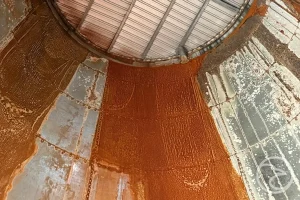
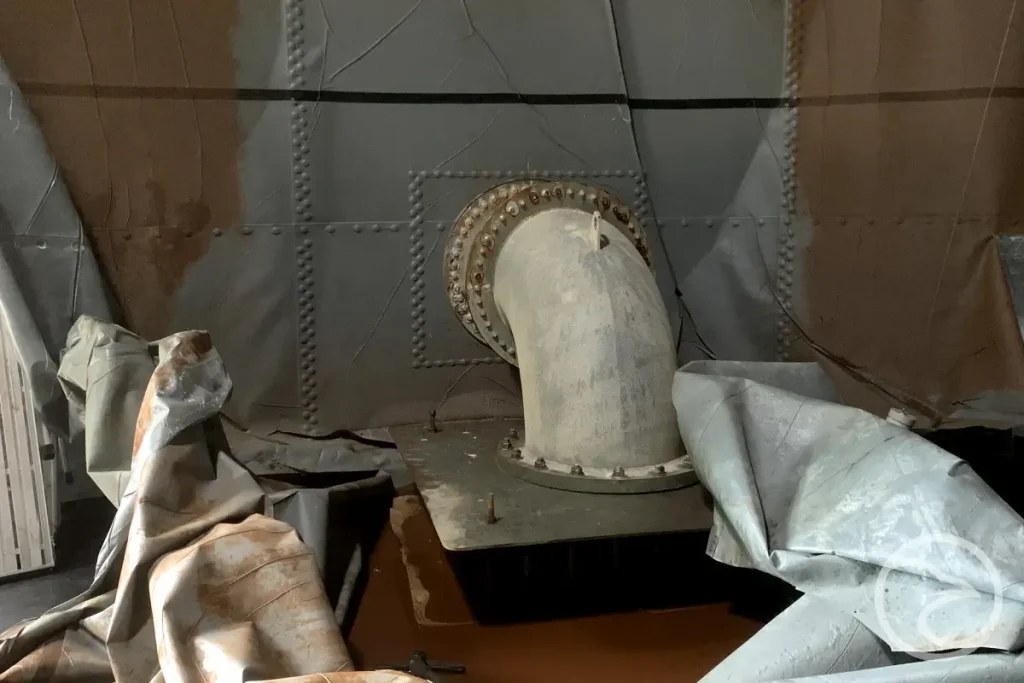
Corrosion particles sometimes enter the water supply. This may increase contamination risks inside the system. Metal deterioration can also affect pressure stability. Leaks become more likely as corrosion spreads.
Environmental exposure often accelerates corrosion development. Older tanks usually face higher deterioration risks.
You can learn more in common causes of fire tank corrosion.
Delayed Emergency Response
Fire protection systems must operate immediately during emergencies. Poor maintenance conditions may delay response performance.
Several maintenance issues contribute to slower operation:
- unstable pressure
- restricted flow
- reduced water supply
- mechanical strain
- blocked components
Even small operational delays may create serious risks. Reliable water delivery remains essential during fire events. System failures often develop gradually over time. Minor warning signs should never be ignored.
Facilities sometimes notice problems only during testing. Emergency conditions place maximum stress on the system.
Consistent monitoring improves overall reliability and readiness.
Preventing Performance Problems
Preventive maintenance helps reduce long-term operational risks. Early action improves system stability and reliability.
Several strategies support better performance:
- monitor pressure conditions
- address leaks quickly
- maintain water quality
- observe structural changes
- respond to warning signs early
Environmental conditions should also be considered carefully. Heat, moisture, and contamination increase deterioration risks. Facilities with older infrastructure may require closer observation. Aging systems often become less stable over time.
Understanding early warning signs also improves prevention efforts. You can learn more in signs your fire water tank needs maintenance.