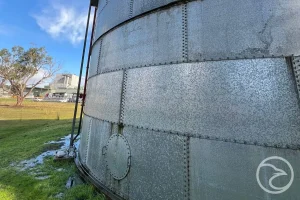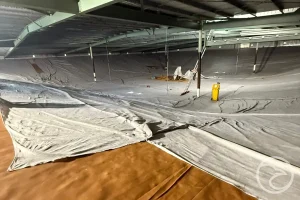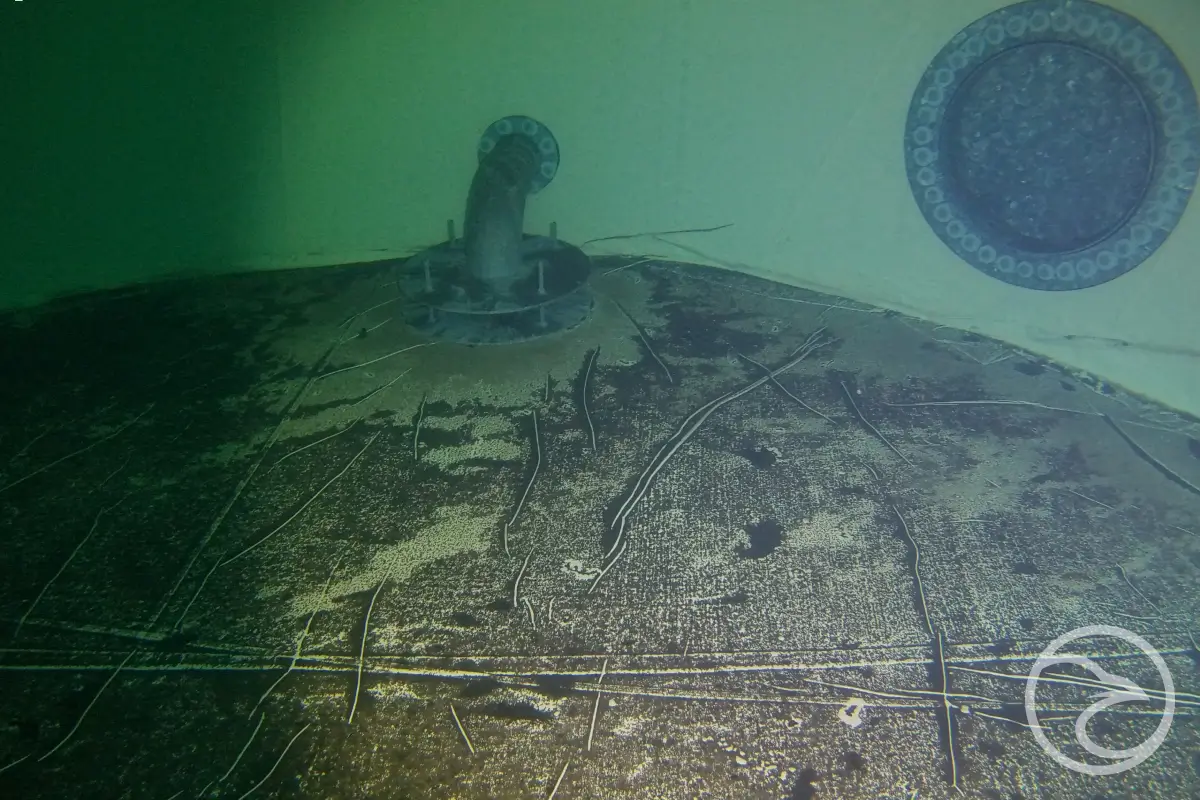
Drone technology is rapidly reshaping how industrial assets are monitored, and fire water storage tanks are no exception. As facilities look for safer, more efficient, and data-rich methods to assess their critical infrastructure, aerial tools have become an increasingly valuable component of routine monitoring workflows. Instead of relying solely on traditional ground-based checks, facility teams now have access to high-resolution imagery, advanced sensors, and digital modelling tools capable of capturing information that was once difficult or risky to obtain.
This article explores how drone technology for tanks is improving fire water storage monitoring across Australia and why it is becoming a preferred option for many asset managers.
Why Drone Technology is Transforming Tank Monitoring
Fire water storage tanks play a crucial role in emergency readiness, yet their size, height, and construction often make them challenging to assess from the ground. Drones address many of these challenges by offering:
- safe access to hard-to-reach areas
- rapid external coverage
- detailed visual data collection
- minimal disruption to facility operations
Instead of setting up scaffolding or working at height, drones capture aerial views that reveal structural changes, surface deterioration, or environmental impacts surrounding the tank. These capabilities not only reduce risk but also improve the consistency and quality of collected information.
Key Capabilities of Drone Technology for Tanks
Modern drones used in industrial asset monitoring incorporate a range of tools that go far beyond simple aerial photography. Their onboard systems provide a multi-layered perspective on tank condition and performance.
High-Resolution Imaging and Video
High-resolution cameras allow drones to capture detailed images of tank roofs, seams, walls, and supporting structures. These visuals can reveal:
- early corrosion patterns
- coating breakdown
- panel deformation
- loose or missing fasteners
- roof imperfections
The ability to zoom in from a safe distance provides clear visibility without the need for physical contact or height-based work.
Thermal and Infrared Sensors
Thermal and infrared sensors add another layer of insight by detecting temperature anomalies that may indicate:
- trapped moisture behind surfaces
- heat-related stress points
- potential leaks
- insulation failures
For fire water storage tanks, thermal readings help identify thermal bridging, monitor seal performance, and track environmental effects that would otherwise go unnoticed.
3D Mapping and Digital Modelling
Advanced drones can generate detailed 3D models and orthomosaic maps of tanks and surrounding areas. These digital reconstructions support:
- long-term structural trend analysis
- detection of gradual deformation
- volumetric calculations
- creation of digital twins
- easier comparison between past and present conditions
This type of modelling provides facility managers with valuable documentation for asset history and strategic maintenance planning.
Practical Applications in Fire Water Storage Systems
While drone technology offers many general benefits, several applications are especially relevant for fire water infrastructure.
Structural Observation
Drones allow safe examination of structural elements without the need for confined space entry or elevated work platforms. They are effective for monitoring:
- roof condition
- external corrosion
- surface cracks
- connection points
- protective coatings
This helps facilities track gradual deterioration and prioritise maintenance based on evidence-based findings.
Surrounding Area Assessment
The area around a fire water tank can affect both safety and functionality. Drones make it easy to check:
- overgrown vegetation
- soil erosion
- drainage issues
- obstructions near access points
- encroachment from adjacent structures
These environmental insights support better risk management and planning.
Routine Remote Monitoring
Instead of relying solely on periodic manual checks, facilities can use drones to perform recurring aerial assessments. Over time, this helps identify long-term trends such as:
- seasonal weather impact
- progressive wear or corrosion
- structural shift patterns
- changes in roof performance
- interactions with surrounding infrastructure
Consistent remote monitoring supports proactive asset management and reduces the likelihood of unexpected issues.
Benefits of Using Drones for Tank Monitoring
Drone-based monitoring provides several advantages over traditional methods, especially for large industrial sites and tall structures:
- Improved safety by reducing the need for working at height
- Faster data collection, enabling quicker assessments
- Reduced operational downtime compared to manual access methods
- Higher-quality imagery for detailed analysis
- Cost-effective long-term monitoring, especially when combined with digital modelling
- Better visibility of areas typically hidden from ground view
These benefits make drones an important addition to modern asset monitoring strategies.
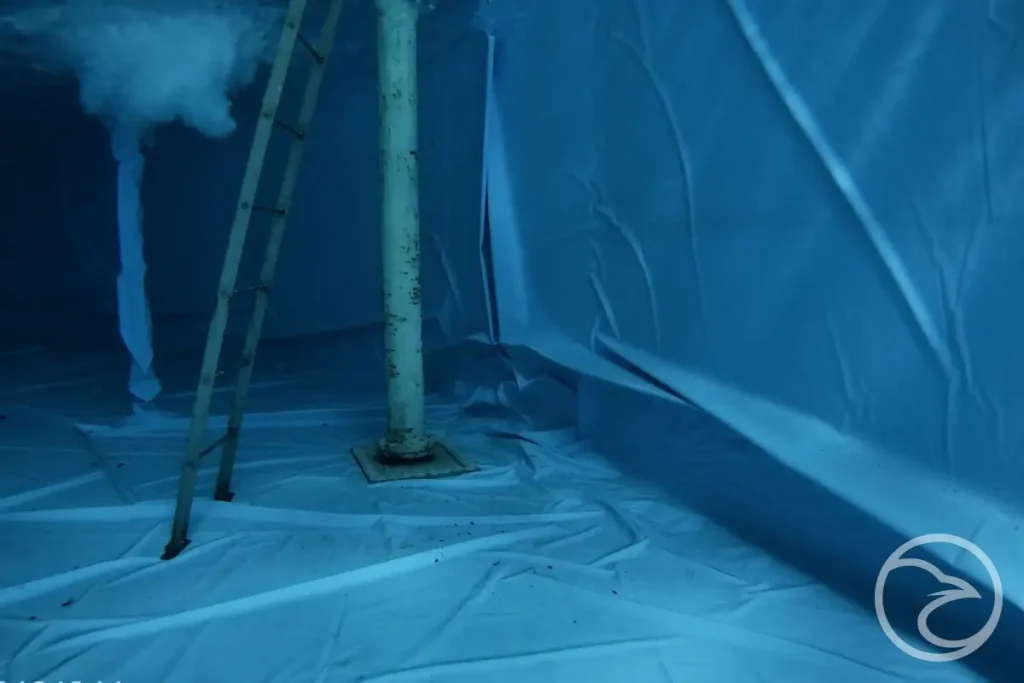
Limitations and Operational Considerations
Despite their advantages, drone operations must be planned carefully. Key factors include:
- weather conditions, as high winds or rain affect flight stability
- regulatory requirements, including airspace and licensing rules
- operator competency, which influences data quality
- battery life and equipment limits
- data processing time, especially for large 3D models
Understanding these considerations ensures that drone data remains reliable and consistent. Some facilities refer to guidance on drone applications when evaluating how aerial data supports tank monitoring practices.
Conclusion
Drone technology has become an essential component of modern fire water storage tank monitoring. By offering safe access, high-quality imaging, advanced sensing capabilities, and detailed digital modelling, drones provide insights that traditional methods often cannot achieve. As facilities continue to prioritise proactive asset management and safety, aerial tools will play an increasingly important role in maintaining the performance and reliability of fire water storage systems.