Fire protection systems require regular maintenance to remain reliable when emergencies occur. In Australia, AS 1851 provides the framework for routine servicing of these systems throughout their operational life.
Understanding AS 1851 helps building owners, facility managers, and strata managers meet their maintenance responsibilities. It also supports better system performance, improved safety, and more effective compliance management.
The standard covers a wide range of fire protection assets, including fire water tanks, pumps, hydrants, sprinklers, extinguishers, and detection systems. Each system requires inspections and servicing at scheduled intervals.
This guide explains what AS 1851 is, what it covers, who is responsible for compliance, and how routine maintenance helps keep fire protection systems operating effectively.
What is AS 1851?
AS 1851 is the Australian Standard for the routine servicing of fire protection systems and equipment. It establishes maintenance requirements that help ensure fire safety systems remain operational throughout their service life.
Unlike installation standards, AS 1851 focuses on ongoing inspections, testing, maintenance, and record keeping. The standard supports the long-term reliability of fire protection assets after they have been commissioned.
AS 1851 applies to many types of buildings, including commercial facilities, industrial sites, apartment complexes, healthcare facilities, schools, and public buildings. The maintenance schedule varies depending on the type of fire protection system installed.
Routine servicing under AS 1851 helps identify faults before they affect system performance. Early detection also reduces the likelihood of unexpected failures during an emergency.
What Does AS 1851 Cover?
AS 1851 applies to most active fire protection systems installed within Australian buildings. Each system has its own inspection, testing, and maintenance requirements based on its function and operating conditions.
The standard commonly covers:
- Fire water tanks
- Fire pumps
- Fire hydrant systems
- Fire hose reels
- Automatic sprinkler systems
- Fire detection and alarm systems
- Portable fire extinguishers
- Emergency warning and evacuation systems
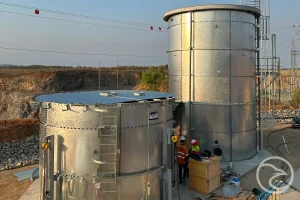
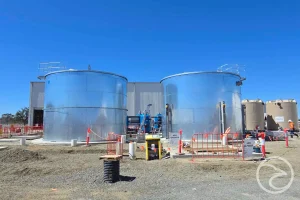
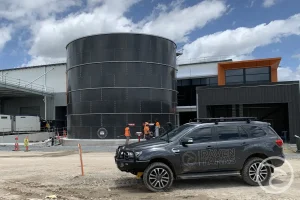
Fire water storage plays a critical role in maintaining an effective fire protection system. Learn more about fire water tanks and their importance in supporting reliable emergency water supplies.
Who is Responsible for AS 1851 Compliance?
AS 1851 compliance is a shared responsibility, but the building owner or responsible entity is ultimately accountable for ensuring fire protection systems are properly maintained.
Building owners are responsible for arranging routine servicing, keeping maintenance records, and ensuring identified defects are addressed within an appropriate timeframe. They must also engage qualified contractors to complete inspections and maintenance activities.
Facility managers often coordinate servicing schedules and maintain compliance documentation. They also monitor inspection reports and organise corrective actions when defects are identified.
Strata managers perform similar responsibilities for residential complexes and managed properties. They help ensure common fire protection systems remain compliant throughout the building.
Fire protection contractors carry out inspections, testing, maintenance, and reporting in accordance with AS 1851. They also provide recommendations when repairs or further investigations are required.
Although maintenance activities may be delegated, responsibility for maintaining compliant fire protection systems remains with the building owner or responsible person.
Why is AS 1851 Compliance Important?
AS 1851 compliance supports more than regulatory requirements. Routine servicing helps ensure fire protection systems operate correctly when they are needed most.
Regular inspections identify developing issues before they become critical failures. Early maintenance also helps reduce repair costs and extend the service life of fire protection assets.
Maintaining compliance provides several important benefits.
- Improves fire system reliability
- Supports occupant safety
- Reduces unexpected equipment failures
- Helps maintain accurate maintenance records
- Assists with insurance and audits
- Identifies defects before emergencies occur
A well-maintained fire protection system also provides greater confidence during emergency situations. Reliable equipment can significantly improve the effectiveness of fire response and property protection.
Routine Inspection Requirements Under AS 1851
AS 1851 establishes routine servicing schedules for different fire protection systems. Inspection frequencies vary depending on the equipment, operating conditions, and maintenance requirements.
Some systems require monthly visual inspections, while others require quarterly, six-monthly, annual, or longer-term servicing. Each inspection is designed to confirm that the equipment remains operational and capable of performing its intended function.
Routine servicing may include visual inspections, functional testing, cleaning, component replacement, and detailed condition assessments. All completed work should be documented as part of the maintenance record.
Using consistent inspection procedures helps reduce the risk of missed defects and incomplete servicing.
Benefits of AS 1851 Compliance
AS 1851 compliance delivers more than regulatory confidence. Routine servicing helps maintain reliable fire protection systems while reducing the likelihood of unexpected failures.
A structured maintenance program also supports long-term asset management. Identifying defects early often reduces repair costs and extends the service life of fire protection equipment.
Key benefits include:
- Improved fire safety
- Reliable system performance
- Earlier defect detection
- Better asset protection
- Reduced maintenance costs
- Improved audit readiness
- Accurate service records
- Greater operational confidence
Maintaining compliance protects both people and property while helping organisations manage their fire protection assets more effectively.
Fire Water Tanks Under AS 1851
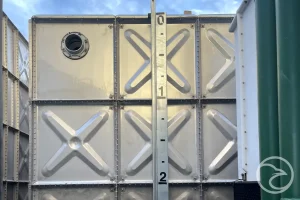
Fire water tanks are an essential part of many fire protection systems and require routine servicing under AS 1851. Their condition directly affects the availability of water during an emergency.
Routine inspections assess both the structural condition of the tank and the quality of the stored water. They also help identify issues that could reduce system performance or compromise compliance.
During a typical inspection, technicians may assess:
- Tank structure and condition
- Internal corrosion or deterioration
- Sediment accumulation
- Tank liners and coatings
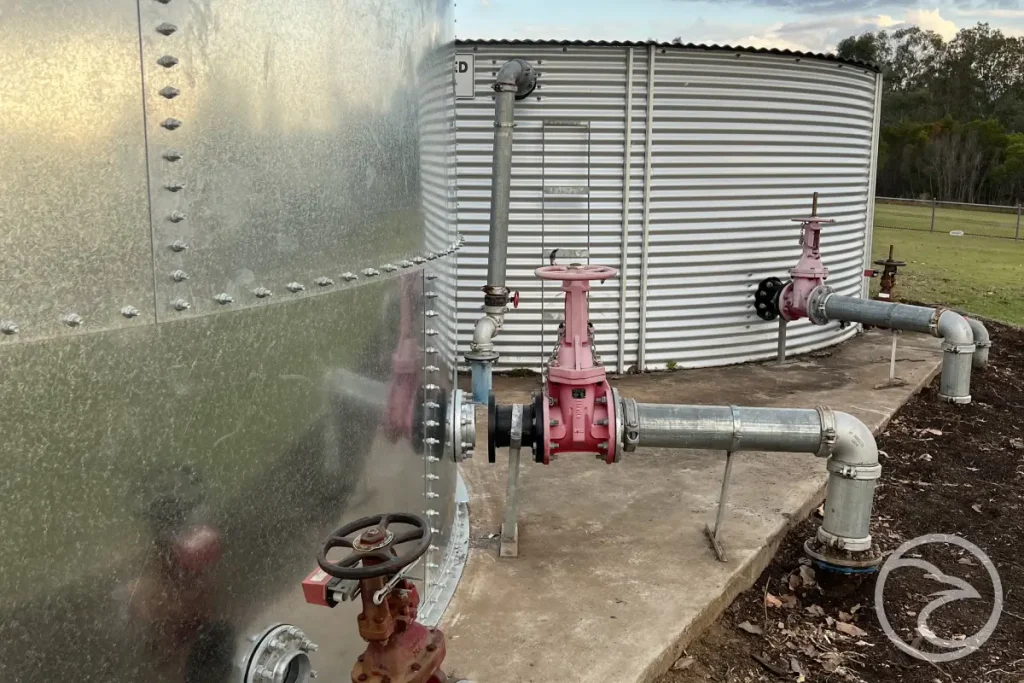
- Inlet and outlet pipework
- Overflow systems
- Water levels
- Access ladders and platforms
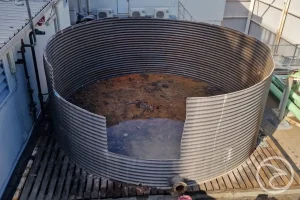
Sediment build-up is one of the most common issues identified during inspections. Excessive sediment can reduce effective storage capacity and affect water quality over time.
Corrosion is another important concern, particularly in ageing steel tanks. If left untreated, corrosion may weaken the tank structure and increase maintenance costs.
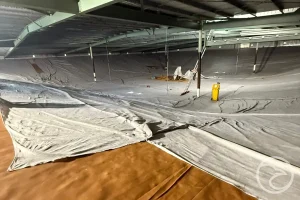
Tank liners should also be inspected for signs of wear, damage, or deterioration. Even minor defects can develop into larger problems if they are not identified early.
Regular fire tank inspections help identify structural defects, corrosion, sediment accumulation, and liner damage before they affect system reliability or compliance.
What Happens During an AS 1851 Fire Tank Inspection?
A fire tank inspection evaluates the condition of the tank and confirms that it remains capable of supporting the fire protection system. The inspection scope varies depending on the tank design, condition, and maintenance history.
Inspectors begin with a visual assessment of the external structure before examining internal components where access is available. The inspection also identifies defects that may affect compliance or long-term performance.
Typical inspection activities include:
- External structural assessment
- Internal condition inspection
- Water level verification
- Sediment assessment
- Corrosion inspection
- Tank liner condition
- Pipework inspection
- Valve operation checks
- Overflow inspection
- Access equipment assessment
A comprehensive fire tank inspections program helps identify developing issues before they become costly repairs or affect emergency water availability.
How Often Should Fire Water Tanks be Cleaned?
AS 1851 requires routine inspections, but the need for cleaning depends on the condition of the tank rather than a fixed schedule. Every fire water tank operates under different environmental and site conditions.
Sediment, organic matter, and other contaminants can gradually accumulate inside the tank. If left untreated, these deposits may reduce storage capacity and affect water quality.
Several factors influence how often a fire water tank requires cleaning.
- Environmental conditions
- Water source quality
- Sediment accumulation
- Tank age
- Previous maintenance history
- Inspection findings
Routine inspections help determine when cleaning is necessary instead of relying on predetermined time intervals. Cleaning should be scheduled whenever inspections identify excessive sediment or contamination.
For a more detailed explanation of cleaning intervals and best practices, read our guide how often should fire water tanks be cleaned.
Signs Your Fire Water Tank may not be Compliant
Fire water tanks can gradually develop defects between scheduled maintenance visits. Recognising early warning signs helps prevent compliance issues and reduces the risk of system failure.
Several indicators may suggest that further investigation is required.
- Excessive sediment
- Corrosion inside the tank
- Damaged tank liners
- Water leaks
- Missing maintenance records
- Faulty valves or fittings
- Low water levels
- Restricted access for inspection
Understanding the causes of liner deterioration helps identify defects before they affect tank performance. Read our guide, how fire water tank liners become damaged.
Common AS 1851 Compliance Mistakes
Many compliance issues result from missed maintenance rather than equipment failure. Small oversights can accumulate over time and increase the risk of non-compliance.
Building owners and facility managers can reduce these risks by following a structured maintenance program and responding promptly to inspection findings.
Missing routine inspections
Delaying scheduled servicing is one of the most common compliance issues. Missed inspections may allow defects to develop unnoticed and reduce the reliability of fire protection systems.
Incomplete maintenance records
Accurate records are an important part of AS 1851 compliance. Missing reports or incomplete documentation can make it difficult to demonstrate that servicing has been performed correctly.
Ignoring identified defects
Inspection reports often identify issues that require corrective action. Delaying repairs may increase the severity of defects and affect system performance during an emergency.
Using unqualified service providers
Fire protection systems should be serviced by competent technicians who understand AS 1851 requirements. Incorrect maintenance procedures may create additional compliance risks.
Poor maintenance planning
Waiting until inspections become overdue often leads to unnecessary pressure and increased maintenance costs. Scheduled servicing programs help ensure inspections are completed on time.
Neglecting fire water storage assets
Fire water tanks, pumps, and associated infrastructure should receive the same level of attention as other fire protection systems. Ignoring these assets may compromise the availability of water during an emergency.
Routine inspections, accurate documentation, and timely repairs form the foundation of effective AS 1851 compliance. A proactive maintenance approach helps reduce risk while supporting the long-term reliability of fire protection systems.
AS 1851 Inspection Records and Documentation
Accurate maintenance records are an important part of AS 1851 compliance. Documentation provides evidence that inspections, servicing, and repairs have been completed according to the maintenance schedule.
Inspection reports also create a valuable maintenance history for each fire protection asset. This information supports future servicing, compliance audits, and long-term asset planning.
Records commonly include:
- Inspection dates
- Maintenance reports
- Identified defects
- Completed repairs
- Test results
- Service recommendations
- Technician details
Well-maintained documentation helps building owners demonstrate compliance while making future maintenance activities easier to manage.
How to Maintain AS 1851 Compliance
Maintaining AS 1851 compliance requires ongoing planning rather than responding only when inspections become due. A structured maintenance program helps ensure every fire protection system receives the required servicing throughout its operational life.
Building owners and facility managers should regularly review maintenance schedules, inspection reports, and completed repairs. This approach helps identify recurring issues and supports continuous compliance.
Best practices for maintaining compliance include:
- Schedule servicing in advance
- Complete inspections on time
- Maintain accurate service records
- Address identified defects promptly
- Review inspection reports regularly
- Inspect fire water tanks routinely
- Use qualified fire protection contractors
- Keep maintenance documentation organised
A proactive maintenance strategy helps reduce unexpected failures while improving the reliability of fire protection systems. It also provides greater confidence during audits, insurance reviews, and emergency situations.
AS 1851 Compliance Checklist
Maintaining compliance becomes easier when routine servicing follows a consistent process. A simple checklist helps ensure important maintenance activities are not overlooked.
Compliance checklist
- Schedule routine inspections
- Maintain service records
- Complete required testing
- Repair identified defects
- Inspect fire water tanks
- Review maintenance reports
- Engage qualified contractors
- Monitor future servicing dates
Regular reviews of this checklist help building owners maintain compliance while improving the reliability of their fire protection systems. Well-structured fire tank inspection checklists also help ensure inspections are completed thoroughly and consistently across every maintenance visit.
Conclusion
AS 1851 provides a practical framework for maintaining fire protection systems throughout their operational life. Regular inspections, accurate documentation, and timely maintenance all contribute to safer and more reliable fire protection assets.
Building owners and facility managers who follow a proactive maintenance program are better prepared for audits, emergency situations, and long-term asset management. Routine servicing also helps identify defects before they affect system performance or compliance.
For fire water storage systems, regular fire tank inspections remain one of the most effective ways to identify structural issues, monitor water quality, and support ongoing AS 1851 compliance.