Fire hydrant systems provide firefighters with a reliable water supply during building emergencies. They form an important part of fire protection infrastructure across many Australian commercial, industrial and other buildings.
A complete system involves much more than visible hydrant outlets. Water supplies, pipework, pumps, valves, boosters and hydrants must operate together as one coordinated system.
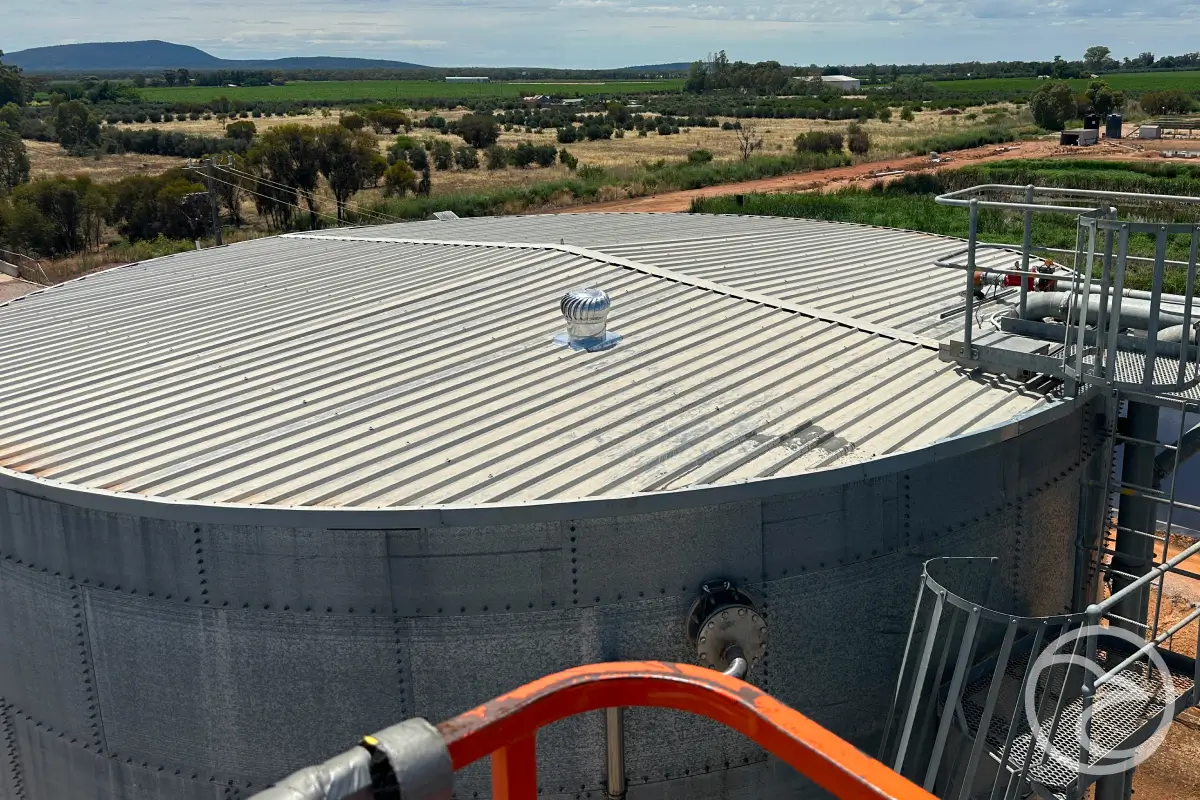
Fire water storage tanks can also provide the required water supply where the available source cannot meet system demands. Australian hydrant systems must meet applicable building requirements and relevant standards.
AS 2419.1:2021 covers the design, installation, commissioning and testing of fire hydrant installations within its scope. Understanding these components helps building owners understand how hydrant protection works and why reliable water supply matters.
What is a Fire Hydrant System?
A fire hydrant system is a fixed water distribution system designed to support firefighting operations. It provides connection points where firefighters can access water and use appropriate firefighting equipment. The hydrant itself is only one component.
A functioning system also depends on the infrastructure supplying water to each hydrant.
Depending on the installation, this infrastructure can include:
- A reliable water supply
- Fire water storage tanks
- Fire pumps
- Suction pipework
- Hydrant pipework
- Valves
- Hydrant outlets
- Booster assemblies
- Monitoring equipment
These components must work together under demanding operating conditions. Providing hydrants without adequate water flow or pressure would not create an effective firefighting water supply.
This is why hydrant design considers the entire system rather than individual outlets. Explore our fire water tanks for dependable water storage within fire protection infrastructure.
How Does a Fire Hydrant System Work?
A fire hydrant system moves water from an available source to designated firefighting points around a property. The exact arrangement varies between buildings and sites. However, the basic process is relatively straightforward.
First, the system requires an adequate water source. This may involve an available water supply, dedicated fire water storage or another compliant arrangement. Pumps may then provide the pressure and flow needed by the system.
Water travels through dedicated pipework to hydrants positioned around the protected area. Firefighters connect their equipment to the appropriate hydrant during an emergency. A booster assembly may also allow fire brigade equipment to support the system where required.
The complete water path can therefore be understood as:
Water supply → storage where required → pumps → pipework → hydrants → firefighting equipment
Every stage matters. A problem with the water source can affect the entire hydrant network. The same applies to pumps, valves, pipework and other essential components.
What are the Main Components of a Fire Hydrant System?
Fire hydrant systems vary considerably in size and configuration. However, several components commonly form part of the overall installation.
Water Supply
Every hydrant system needs a water source capable of supporting its design requirements. The available supply must be considered during system design.
A suitable mains supply may meet some system requirements. Other installations may require dedicated stored water or additional infrastructure.
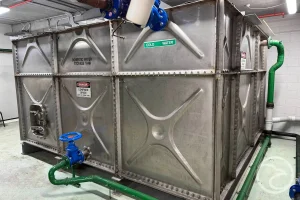
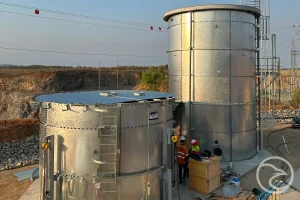
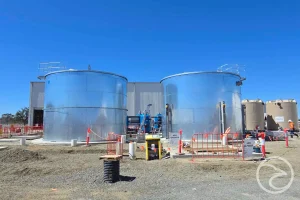
Fire Water Storage Tank
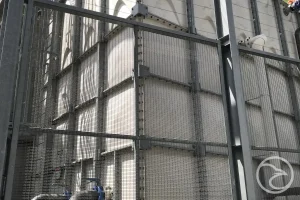
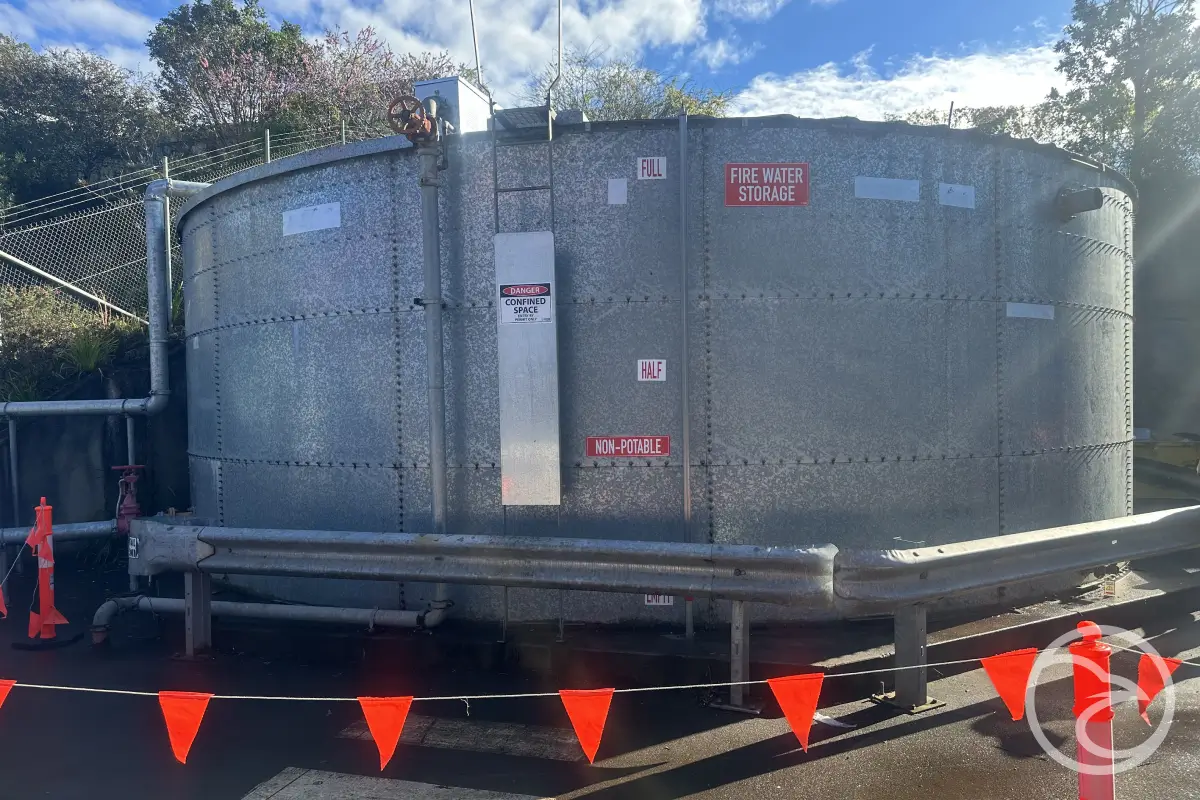
A fire water storage tank provides a dedicated reserve for firefighting purposes. The tank can support the hydrant system when another supply cannot independently meet required conditions.
Tank capacity and configuration therefore relate directly to the needs of the fire protection system.
Fire Pumps
Fire pumps help provide the required water pressure and flow. They are particularly important where the available supply cannot provide adequate hydraulic performance independently.
Pipework
Dedicated pipework distributes water throughout the hydrant system. Its configuration must support the hydraulic requirements of the installation.
Hydrant Outlets
Hydrant outlets provide accessible connection points for firefighting operations. Their location forms part of the overall system design.
Valves and Controls
Valves allow different parts of the water supply and distribution system to operate correctly. They can also support isolation, maintenance and system management.
Booster Assembly
A booster assembly provides an interface between the building system and firefighting operations. Its configuration and location must meet applicable requirements.
Together, these components create the complete hydrant installation.
Where does a Fire Hydrant System get its Water?
Water supply is one of the most important considerations in fire hydrant system design. Without sufficient water, the rest of the installation cannot perform as intended. The available supply arrangement depends on the building, site and system design.
A hydrant system may use an appropriate mains water supply. Other systems may require dedicated fire water storage. Some designs can involve combinations of water sources and associated equipment.
The key issue is not simply whether water is available. The supply must support the required system performance.
That includes providing sufficient flow, pressure and duration under the applicable design conditions. This is where fire water storage can become particularly important.
When is a Fire Water Storage Tank Required?
Not every fire hydrant installation uses the same water supply arrangement. The requirement for dedicated storage depends on the system design and available water supply. A tank may be necessary when the existing source cannot provide sufficient firefighting water.
The required solution must consider applicable regulatory and design requirements.
Fire water storage may become relevant when the available supply cannot independently support:
- Required water flow
- Required operating pressure
- Required supply duration
- System reliability requirements
- Site-specific fire protection demands
A dedicated tank creates a controlled reserve of water for the fire protection system. However, the tank should not be considered separately from the hydrant installation.
Its usable capacity, outlets, pumps and associated pipework must support the complete system. This relationship is important when comparing fire water tanks and hydrant systems.
A tank stores firefighting water. A hydrant system delivers that water to locations where firefighters can access it.
Fire Water Storage Tank Requirements
Fire water storage tank requirements cannot be reduced to one universal tank size. Different hydrant systems have different hydraulic demands.
The required water storage arrangement must therefore be determined during system design.
Important considerations can include:
- Required firefighting water volume
- Available incoming water supply
- Required flow rate
- Required operating duration
- Effective usable tank capacity
- Tank connections
- Pump arrangement
- Suction requirements
- Tank configuration
- System reliability
Nominal tank volume alone does not describe the complete system. Designers must consider how much stored water is actually available to the firefighting installation. Tank connections and operating levels can influence usable water volume.
The tank must also work effectively with pumps and other system components. This makes fire water storage a hydraulic system consideration, not simply a tank selection decision.
How Much Water does a Fire Hydrant System Need?
There is no single water volume suitable for every fire hydrant system. Required supply depends on the applicable design criteria. A useful way to understand the principle is to consider two main variables.
The system requires a particular flow rate for a particular duration. Together, these factors influence the required water supply. Other factors can also affect the final design.
These include the number of hydrants operating under the design scenario and available water sources. Building characteristics and system configuration are also relevant.
This is why selecting a tank using capacity alone can be misleading. A large tank does not automatically mean the hydrant system meets its hydraulic requirements.
The entire supply arrangement must deliver water as required. For more detailed guidance on determining the required storage volume, see our fire water tank capacity calculation guide.
Effective Water Storage vs Nominal Tank Capacity
Nominal capacity describes the overall stated volume of a water tank. Effective storage is the water volume available to support the system under relevant operating conditions. The two figures may not always be identical.
Tank geometry, outlet positioning and operating levels can influence usable storage. Connections and suction arrangements can also affect how water is drawn from the tank. This distinction becomes particularly important for fire protection systems.
The design needs to consider the water that can actually support firefighting operations. Simply specifying a tank with a particular nominal capacity does not address every system requirement.
Hydraulic design must consider the tank alongside pumps, pipework and the remaining hydrant infrastructure.
What is AS 2419.1?
AS 2419.1 is a key Australian Standard for fire hydrant installations. The current AS 2419.1:2021 is titled Fire hydrant installations, Part 1: System design, installation and commissioning. It specifies requirements covering design, installation, commissioning and testing for fire hydrant installations within its scope.
AS 2419.1:2021 superseded the 2005 edition as a primary referenced document in NCC 2022. The 2021 revision also introduced scope limitations for certain very tall or large buildings.
Buildings outside the Standard’s scope may require project-specific approaches involving appropriate fire and hydraulic engineering expertise. This makes AS 2419.1 important when considering Australian fire hydrant system requirements.
However, it should be considered within the wider regulatory framework applying to each project. Design and installation requirements should also be distinguished from ongoing maintenance obligations.
For more detail about ongoing fire protection maintenance, see our guide to AS 1851 compliance requirements.
Key Requirements for Fire Hydrant Systems in Australia
A compliant fire hydrant system depends on multiple design and performance considerations. Requirements vary according to the building and applicable regulatory framework.
However, several fundamental areas need consideration.
Adequate Water Supply
The system needs an appropriate source of firefighting water. Available flow, pressure and duration must be considered during design.
Hydraulic Performance
Water must reach the required locations under the relevant design conditions. This requires coordinated consideration of supply, pumps and pipework.
Hydrant Coverage
Hydrants must be positioned to provide the required coverage. Placement is therefore part of system design rather than a simple installation preference.
Accessible Equipment
Firefighting equipment needs to remain accessible when required. Poor access can reduce the practical effectiveness of otherwise functional equipment.
Appropriate Pumping
Some systems require pumps to achieve the necessary hydraulic conditions. Pump selection must reflect the demands of the complete installation.
Suitable Water Storage
Where dedicated storage is required, it must support the system’s water demand. Tank capacity is only one part of this requirement.
Correct Installation and Commissioning
A properly designed system still depends on correct installation. Commissioning verifies important aspects of system performance before normal operation begins.
AS 2419.1:2021 specifically addresses system design, installation, commissioning and testing.
Fire Hydrant Installation and System Design
Fire hydrant installation begins long before equipment arrives on site. The system first needs to be designed around the building and its fire protection requirements. Water supply availability is a major consideration.
Designers also need to consider required hydraulic performance and hydrant coverage.
The process may involve assessing:
- Building characteristics
- Site layout
- Available water supply
- Required hydrant locations
- Pipework routes
- Pump requirements
- Fire water storage requirements
- Booster arrangements
- Hydraulic performance
- Applicable standards
These factors are interconnected. Changing one component can influence other parts of the design. For example, limited incoming water supply may affect storage and pump requirements.
A different building layout may affect pipework and hydrant positioning. Fire hydrant installation should therefore follow a coordinated system design.
The Role of Fire Water Storage Tanks in Hydrant Systems
A fire water storage tank has one primary role within a hydrant installation. It stores water that can be supplied to the firefighting system when required. However, stored volume alone does not create an effective fire protection system.
Water must move from the tank through the required infrastructure. This normally involves connections, pipework and pumps designed around system requirements. The tank must therefore integrate with the hydrant network.
Its configuration can influence water availability and hydraulic performance. This explains an important distinction.
A fire water tank is a water storage asset. A fire hydrant system is the broader firefighting water distribution system. The two can work together, but they are not interchangeable.
Our guide to fire water tanks vs hydrant systems explores this distinction in more detail.
Fire Pumps and Hydrant System Pressure
Fire pumps can be critical to hydrant system performance. Their role is to help provide the water flow and pressure required by the installation. This is particularly important when the available water source cannot meet system demand independently.
Pump requirements depend on the hydraulic design. The pump must work with the water source, pipework and hydrant network.
This creates another reason to view the installation as one complete system. Increasing tank capacity cannot compensate for every hydraulic limitation.
Likewise, installing a larger pump does not solve every water supply problem. Supply, storage, pumping and distribution must be considered together.
Why Fire Hydrant Location Matters
A fire hydrant is useful only when firefighters can access it effectively. Hydrant positioning is therefore an important part of system design. Locations need to support the required coverage of the protected building or area.
Design also considers the practical use of firefighting equipment. Pipework configuration and hydraulic performance must support those locations. This means hydrant positioning cannot be decided independently from the rest of the system.
AS 2419.1 provides requirements for fire hydrant installations, including system design considerations. Site-specific design should always follow the requirements applicable to the particular project.
Why Fire Hydrant Systems Need Ongoing Inspection
Fire hydrant systems may remain unused for long periods. That does not reduce the importance of maintaining their readiness. Components can deteriorate while the system remains inactive.
Valves, pumps, pipework and water storage infrastructure can all develop problems. Regular inspection helps identify changes before emergency operation is required. Inspection may consider visible condition, accessibility and relevant system components.
Fire water tanks also require appropriate assessment as part of broader system maintenance. For tank-specific considerations, a fire tank inspection checklist can help explain common inspection areas.
The exact maintenance programme should follow applicable standards and site requirements.
Fire Water Tank Condition and Hydrant Reliability
Where a hydrant system relies on stored water, tank condition becomes part of overall system reliability. Structural or internal tank problems should not be considered separately from fire protection performance. The tank needs to remain capable of supporting its intended water storage function.
Internal components and protective systems may also require assessment. For lined tanks, the condition of the internal lining is another maintenance consideration. Our guide to fire water tank liner inspection explains this topic separately.
Keeping this distinction matters. Hydrant system inspections assess the broader firefighting installation. Tank inspections focus more closely on the condition of the storage asset.
Both can contribute to maintaining reliable fire protection infrastructure.
Common Issues that can Affect Fire Hydrant Systems
Fire hydrant systems contain multiple connected components. A problem in one area can influence the performance of the complete installation.
Potential issues can include:
- Insufficient available water supply
- Pump faults
- Closed or defective valves
- Damaged pipework
- Inaccessible hydrants
- Problems with booster equipment
- Changes to building layouts
- Deteriorating water storage infrastructure
- Inadequate maintenance
- System modifications without appropriate assessment
Some problems may be visible during routine checks. Others may only become apparent through testing or detailed inspection. This is why ongoing maintenance should address the system as a whole.
Focusing only on visible hydrant outlets can overlook important upstream components. Regular fire tank inspections help identify issues that could affect water storage reliability and fire protection performance.
Fire Hydrant Systems and Building Changes
A hydrant system is designed around specific building and site conditions. Those conditions can change over the life of a property. Extensions may increase the area requiring fire protection.
New walls or structures may affect access and coverage. Changes in building use can also introduce different fire protection considerations. Water supply conditions may change as well.
For these reasons, existing hydrant arrangements should not automatically be assumed suitable after major building changes. Relevant alterations may require professional assessment.
The objective is to confirm that the fire protection system remains appropriate for current conditions.
Fire Hydrant Systems as Part of Building Fire Protection
A fire hydrant system is more than a network of red hydrant outlets. It is an integrated firefighting water supply and distribution system. Water availability is the starting point.
Fire water storage may provide that supply where required by the system design. Pumps can provide the necessary hydraulic performance. Pipework distributes water throughout the protected property.
Hydrants provide the connection points used during firefighting operations. Standards such as AS 2419.1 establish requirements for hydrant system design, installation and commissioning within their applicable scope.
Ongoing inspection and maintenance then help preserve system readiness throughout its service life. Understanding these relationships makes fire hydrant systems easier to manage.
It also shows why water storage, pumping, distribution and hydrant access cannot be considered independently. A reliable fire hydrant system depends on every part being designed, installed and maintained for its intended role.