Drinking water reservoirs play a critical role in Australia’s water supply network. Whether they serve regional communities, remote mine sites, industrial facilities, or metropolitan councils, these reservoirs must remain safe, structurally reliable, and contamination-free year-round. Any oversight in maintenance can lead to major water quality issues, costly downtime, and in severe cases — public health risks.
This guide explains how drinking water reservoir maintenance works, the most common threats to water quality, and practical steps to protect your assets. It also highlights how Australian Fire Tanks by Raven Tanks Australia supports councils, utilities, industrial operations, and private facilities with professional reservoir upkeep.
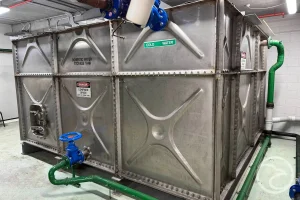
Whether used by councils, utilities, industrial facilities or remote operations, potable water reservoirs must remain structurally sound, contamination-free and regularly maintained to protect water quality and public health.
Why Drinking Water Reservoir Maintenance Matters
In Australia’s harsh climate, drinking water reservoirs are exposed to UV, temperature fluctuations, biofilm formation, sediment accumulation, chlorine degradation, and structural wear. Without ongoing maintenance, even a well-designed reservoir can experience:
- Water contamination from bacteria, biofilm, or sediment
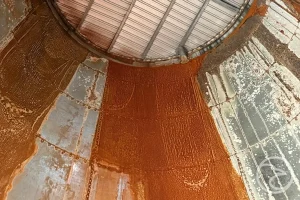
- Structural corrosion or liner deterioration
- Reduced storage capacity
- Increased operational costs
- Shorter asset lifespan
- Non-compliance with safety and health regulations
Preventative maintenance is far more cost-effective than reactive repairs — and it ensures water remains safe for human consumption.
Common Risks Affecting Drinking Water Reservoirs
1. Sediment Buildup
Sediment enters reservoirs through natural water sources or pipe networks. Over time, it settles on the tank floor, creating a nutrient-rich environment where bacteria can multiply. This threatens water clarity and potability if not removed.
2. Biofilm and Algae Growth
Even chlorinated potable water can develop biofilm if surfaces aren’t cleaned regularly. Biofilm protects bacteria colonies and can compromise tank hygiene quickly, especially in warm regions.
3. Structural Corrosion
Steel reservoirs in particular face corrosion risks from moisture, chlorine, and environmental exposure. Undetected corrosion can escalate into leaks or structural failure.
4. Degraded Liners or Coatings
Potable water tank liners, epoxy coatings, and sealants deteriorate over time. Small cracks or pinholes can allow water loss or introduce contaminants from the tank structure.
5. Inadequate Ventilation or Screens
Damaged vents or missing insect screens create easy pathways for insects, debris, or wildlife contamination — one of the most overlooked risks in potable storage.
6. Stagnation and Water Quality Fluctuations
Reservoirs with irregular turnover may develop low-chlorine zones, odours, or temperature layering (stratification), impacting overall water quality.
Key Components of Drinking Water Reservoir Maintenance
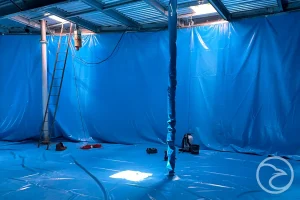
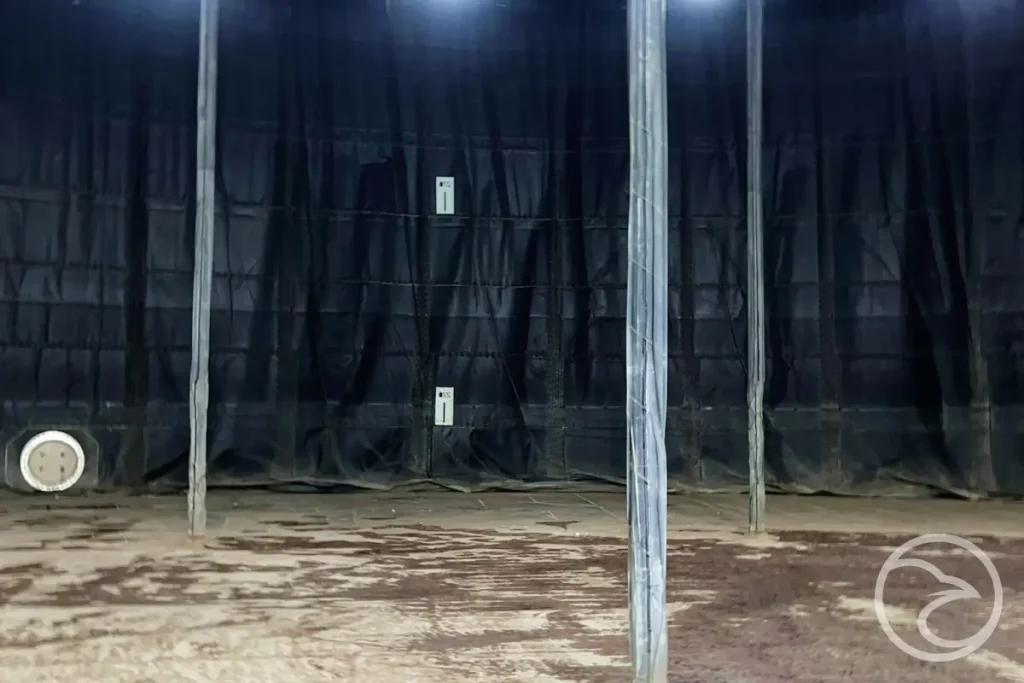
- Routine Internal Cleaning: Internal tank cleaning removes sediment, sludge, biofilm, and residue from the reservoir floor and walls. Depending on the water source, annual or biannual cleaning is recommended.
Regular potable water tank cleaning prevents sediment buildup, reduces bacteria growth and supports long-term water quality, especially in high-demand or warm-climate regions.
- Disinfection & Sanitisation: Once cleaned, the reservoir needs to be disinfected to eliminate harmful pathogens. This step ensures safe reintroduction into the potable water system.
- Structural & Integrity Inspections: Inspections detect leaks, corrosion, liner damage, cracks, and roof issues early. Many councils and utilities now rely on ROV or diver inspections to avoid draining the reservoir.
- Liner & Coating Maintenance: Reservoir liners must stay impermeable and food-grade compliant. Over time, UV exposure and water chemistry can cause blistering, tearing, or delamination.
- Vent & Screen Upgrades: Maintaining insect-proof screens and breathable vents reduces contamination risks and ensures proper pressure regulation.
- Water Quality Monitoring: Regular sampling for chlorine concentration, turbidity, and microbiological presence is essential for early detection of system issues.
How often Should You Maintain a Drinking Water Reservoir?
Although schedules vary by facility type and water usage, a typical Australian potable reservoir maintenance program includes:
- Inspection: every 12 months
- Internal cleaning: every 1–2 years
- Liner/coating assessment: every 2–5 years
- Structural audit: every 5 years or after major weather events
- Water quality testing: ongoing
Facilities in harsh climates, coastal regions, or industrial zones may require more frequent maintenance.
Signs a Reservoir Needs Immediate Attention
If any of these issues appear, prompt investigation is crucial:
- Unusual odours or taste complaints
- Visible sediment or discolouration
- Reduced chlorine levels
- Signs of roof leaks or corrosion
- Damage to internal liner
- Frequent pump blockages
- Rapid water level loss
These warning signs often indicate more significant underlying issues that need urgent remediation.
Best Practices for Preventing Contamination
- 1. Implement a regular cleaning cycle: Skipping cleanings increases bacteria growth and sediment accumulation. A predictable cycle maintains stable water quality.
- 2. Inspect linings and coatings often: A compromised liner is one of the fastest routes to contamination and structural deterioration.
- 3. Protect the reservoir from external contamination: Ensure vents, hatches, and overflow pipes have functioning mesh screens.
- 4. Maintain chlorine levels and reduce stagnation: Mixing systems or automated chemical dosing help maintain consistency.
- 5. Conduct ROV or diver inspections: These allow ongoing monitoring without draining the reservoir.
How Australian Fire Tanks by Raven Tanks Australia can Help
As a national specialist in potable water reservoirs and fire water storage, Australian Fire Tanks by Raven Tanks Australia provides end-to-end maintenance solutions, including:
- Professional cleaning and sanitisation
- ROV or diver inspections for internal assessments
- Structural integrity evaluations
- Liner repairs and full liner replacements
- Corrosion treatment and tank refurbishment
- Roof, vent, and screen upgrades
- Compliance-focused reporting for councils and utilities
With extensive experience working across Australia’s industrial, municipal, and remote regions, the team ensures reservoirs remain safe, compliant, and functioning at peak performance.
Final Thoughts
Maintaining a drinking water reservoir is essential for protecting public health and preserving asset longevity. With Australia’s demanding environmental conditions, regular cleaning, structural inspections, and proactive monitoring are the most effective ways to prevent contamination and ensure long-term reliability.
For expert support, trusted maintenance programs, and full-service potable reservoir care, Australian Fire Tanks by Raven Tanks Australia delivers reliable, compliant, and cost-effective solutions nationwide.