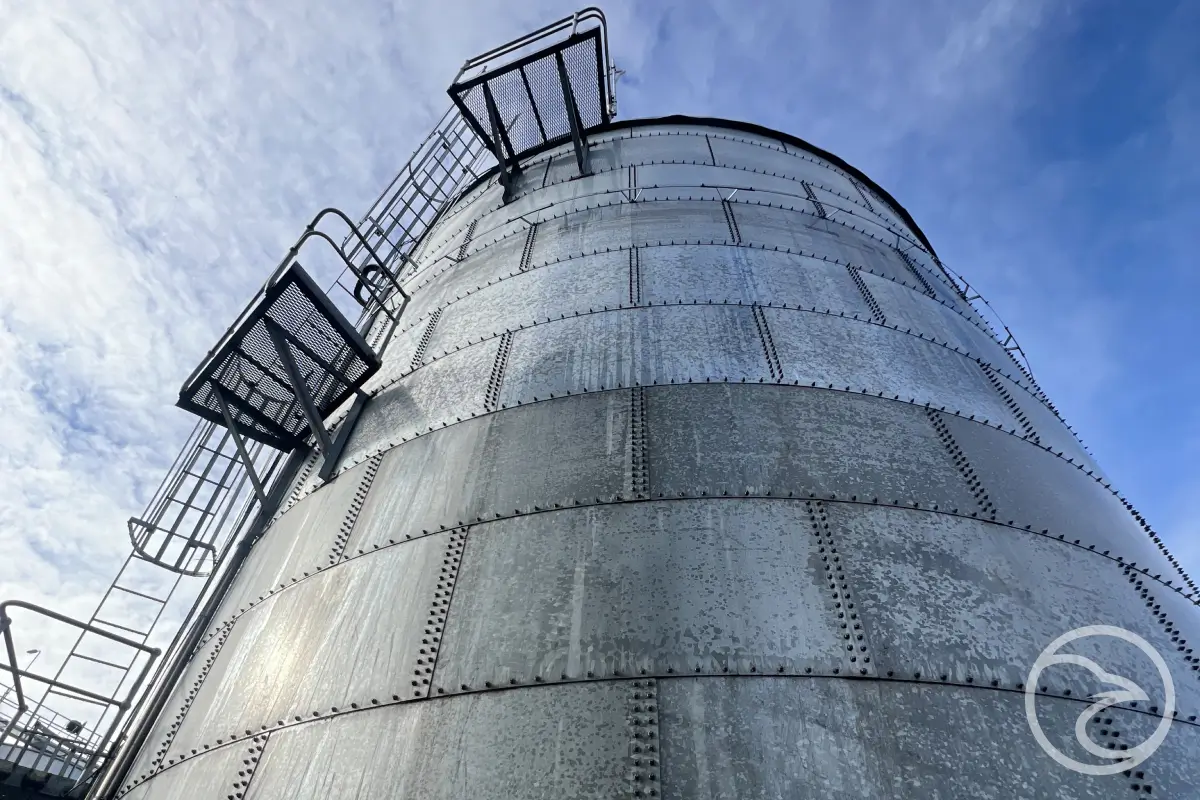
Fire water tanks are essential for reliable fire protection systems. They provide a dedicated water supply during emergencies.
One key decision is whether to install the tank above or below ground. Each option has advantages depending on site conditions and requirements.
What are Above-Ground Fire Water Tanks?
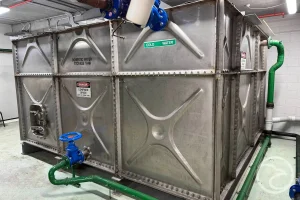
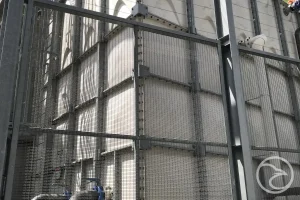
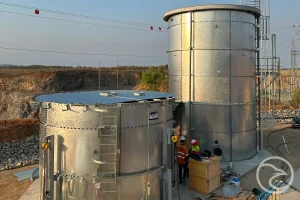
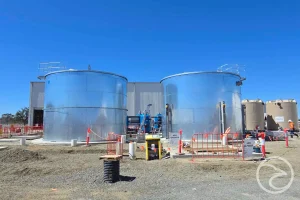
Above-ground tanks are installed on the surface. They are visible and easy to access.
These tanks are commonly used in commercial and industrial settings. They are suitable where space is available.
To understand how systems operate, see how do fire water tanks work.
What are Underground Fire Water Tanks?
Underground tanks are installed below the surface. They are hidden from view and save space.
These tanks are often used in urban or space-limited sites. They provide a discreet solution for fire protection systems.
Installation Differences
Above-ground tanks are easier and faster to install. They require less excavation and site preparation.
Underground tanks need excavation and structural support. Installation is more complex and time-consuming.
This also increases overall project cost and planning requirements.
Cost Considerations
Above-ground tanks usually have lower installation costs. They require less labor and equipment.
Underground tanks have higher upfront costs. Excavation and engineering increase expenses.
However, underground tanks may add value in space-constrained areas.
Maintenance and Accessibility
Above-ground tanks are easier to inspect and maintain. Technicians can access components without difficulty.
Underground tanks are harder to access. Maintenance may require additional time and equipment.
Accessibility plays a key role in long-term system performance.
Durability and Protection
Above-ground tanks are exposed to environmental conditions. They may require protection from UV and temperature changes.
Underground tanks are protected from weather and external damage. They offer more stable operating conditions.
However, soil conditions can affect structural integrity over time.
Space and Design Flexibility
Above-ground tanks require sufficient surface space. They may affect site layout and aesthetics.
Underground tanks save space above ground. They allow better use of the surrounding area.
This makes them ideal for urban developments or restricted sites.
Performance and System Efficiency
Both tank types can perform effectively when properly designed. Performance depends on capacity, pressure, and system integration.
Incorrect sizing can reduce system efficiency. Proper planning is essential for reliable operation.
For sizing guidance, see how to calculate fire water tank capacity.
Compliance and Standards
Both above-ground and underground tanks must meet safety standards. These standards ensure system reliability during emergencies.
In Australia, systems often follow AS 1851. Compliance is critical for safety and legal requirements.
Which Option Should You Choose?
Choose above-ground tanks for easier installation and maintenance. They are ideal for sites with available space.
Choose underground tanks when space is limited. They provide a discreet and protected solution.
The right choice depends on budget, site conditions, and system needs.
Final Thoughts
Above-ground and underground fire water tanks each offer unique benefits. Understanding their differences helps you make the right decision.
Both options can provide reliable fire protection when properly designed. Careful planning ensures long-term performance and compliance.
For a complete overview, visit fire water tanks.