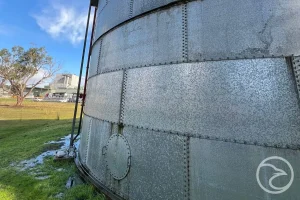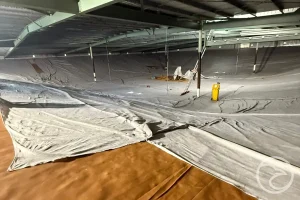
Water storage systems play an essential role in commercial, industrial, municipal, and agricultural infrastructure throughout Australia. Whether storing potable water, process water, or emergency reserves, water tanks must be designed and installed to meet relevant safety and performance requirements.
For GRP water tanks, compliance with Australian Standards helps ensure structural integrity, water quality, operational reliability, and long-term performance.
While there is no single Australian Standard that governs every aspect of GRP tank design, several standards and regulatory requirements may apply depending on the project.
This guide explains the key Australian Standards relevant to GRP water tanks and why compliance should be considered during planning, installation, and ongoing operation.
Why Standards Matter for Water Storage Tanks
Water storage tanks are long-term infrastructure assets. A poorly designed or incorrectly installed tank can lead to structural issues, water quality concerns, maintenance problems, and increased operational risks.
Australian Standards help establish consistent requirements for:
- Structural performance
- Material quality
- Water safety
- Installation practices
- Maintenance procedures
- Access and safety systems
Compliance provides confidence that a water storage system has been designed and installed according to recognised industry requirements.
What are GRP Water Tanks?
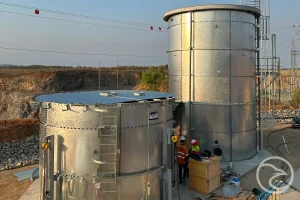
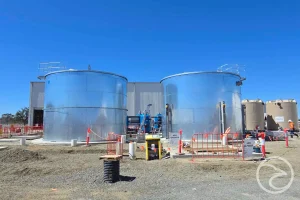
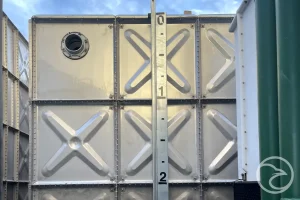
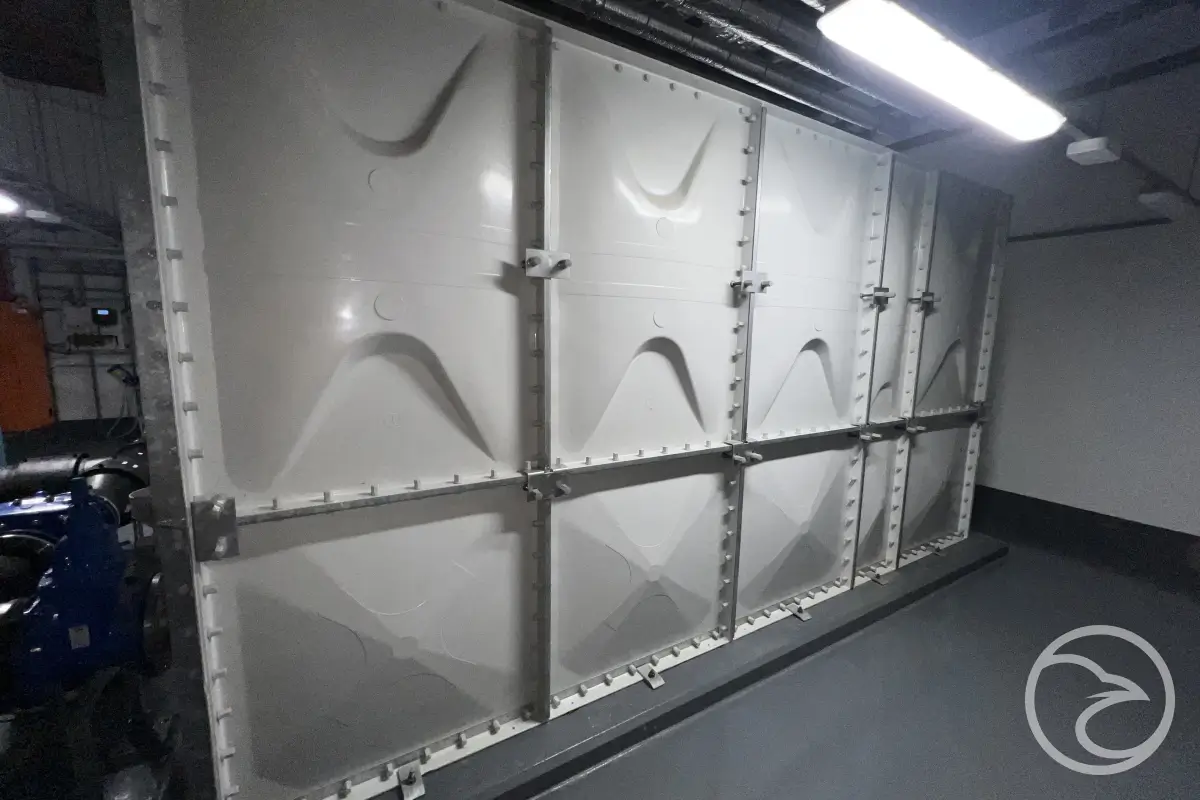
GRP stands for Glass Reinforced Plastic. GRP tanks are sectional water storage systems manufactured from modular panels reinforced with glass fibres.
These panels are assembled on site to create a complete storage structure. As explained in what are GRP panel tanks?, the modular design allows GRP tanks to be configured in various sizes and capacities while providing excellent corrosion resistance and long-term durability.
These characteristics make GRP tanks suitable for a wide range of water storage applications throughout Australia.
Australian Standards and Water Storage Compliance
Water storage compliance often involves multiple standards rather than a single regulation.
The specific requirements depend on:
- Tank application
- Water type
- Project location
- Storage capacity
- Facility classification
Understanding the relevant standards helps project teams make informed decisions throughout the design process.
AS/NZS 1170 – Structural Design Actions
The AS/NZS 1170 series is one of the most important standards for water storage infrastructure.
It establishes requirements for structural design loads, including:
- Wind loads
- Dead loads
- Live loads
- Environmental actions
For large GRP tanks, wind loading can be a particularly important design consideration. Australia’s diverse climate conditions require engineers to assess site-specific environmental factors during the design process.
National Construction Code (NCC)
The National Construction Code plays an important role in many construction projects involving water storage systems. The NCC works alongside Australian Standards and local building regulations.
Requirements may vary depending on:
- Building type
- Occupancy classification
- Project location
- Intended tank application
Project teams should ensure that tank installations align with applicable NCC requirements.
Potable Water Compliance Requirements
Many GRP tanks are used for drinking water storage. In these applications, compliance extends beyond structural considerations.
Materials that come into contact with potable water should be suitable for maintaining water quality and public health standards.
Key considerations often include:
- Material safety
- Hygienic design
- Water quality protection
- Contamination prevention
Manufacturers typically provide documentation relating to potable water suitability where required.
Access and Safety Requirements
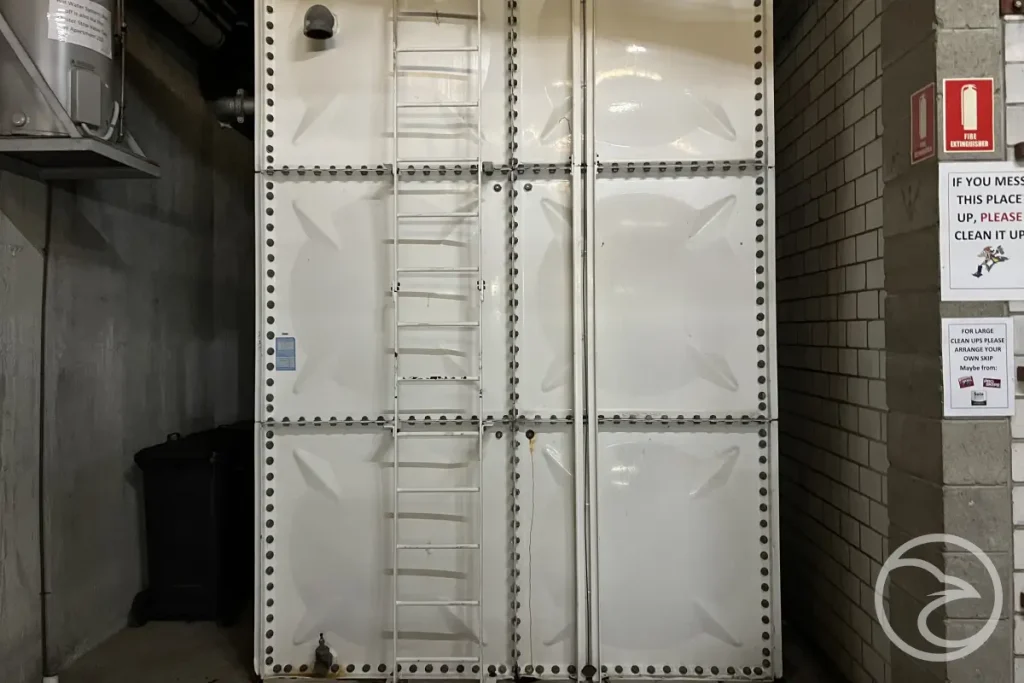
Safe access is an important consideration throughout the life of a water tank. Inspection and maintenance activities require personnel to access tank components safely.
Relevant standards may address:
- Access ladders
- Platforms
- Walkways
- Guardrails
- Safety systems
Proper access design helps improve safety and supports ongoing maintenance activities.
Installation Considerations
Compliance does not end when a tank leaves the manufacturing facility. Correct installation is equally important.
Installation planning should consider:
- Foundation design
- Site preparation
- Drainage requirements
- Structural support
- Access arrangements
Improper installation can affect performance regardless of the quality of the tank itself. For larger projects, engineering assessments are often recommended before installation begins.
GRP Tanks for Fire Protection Applications
Fire protection systems frequently require dedicated water storage. When used in emergency water reserve applications, additional design and compliance considerations may apply.
Many facilities use GRP tanks for fire protection systems because of their corrosion resistance, long service life, and ability to provide large storage capacities.
Fire protection projects often require coordination between engineers, regulatory authorities, and fire safety specialists.
Inspection and Maintenance Requirements
Australian Standards often emphasise the importance of ongoing inspections and maintenance. Regular inspections help identify issues before they affect tank performance.
Inspection programs may include reviews of:
- Panel condition
- Joint integrity
- Structural components
- Access systems
- Water quality
Routine inspections support long-term reliability and can help extend asset lifespan.
Documentation and Record Keeping
Maintaining accurate records is an important part of compliance management.
Documentation may include:
- Design specifications
- Installation records
- Inspection reports
- Maintenance history
- Repair records
Good record keeping supports asset management and can assist during audits or compliance reviews.
Choosing a Compliant GRP Water Tank Solution
Selecting a water storage system involves more than comparing capacities and costs.
Decision-makers should also evaluate:
- Applicable standards
- Water quality requirements
- Environmental conditions
- Long-term maintenance expectations
- Compliance obligations
Working with experienced manufacturers and engineering professionals can help ensure project requirements are met from design through installation.
Benefits of Standards Compliance
Compliance offers several long-term advantages.
These include:
- Improved safety
- Better water quality management
- Reduced operational risk
- Reduced operational risk
- Consistent performance
- Greater asset longevity
For critical infrastructure projects, compliance can also support regulatory approvals and simplify ongoing asset management.
Conclusion
Australian Standards play an important role in the design, installation, operation, and maintenance of GRP water tanks.
Although multiple standards and regulations may apply depending on the project, the goal remains the same: ensuring safe, reliable, and long-lasting water storage.
By understanding relevant requirements and incorporating compliance into every stage of a project, asset owners can improve performance, reduce risks, and maximise the value of their water storage infrastructure.
For commercial, industrial, municipal, and fire protection applications, compliant GRP water tanks continue to provide a dependable solution for long-term water storage needs.