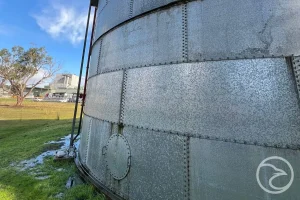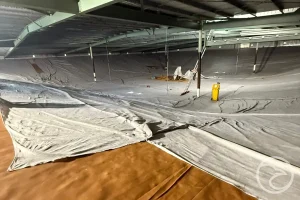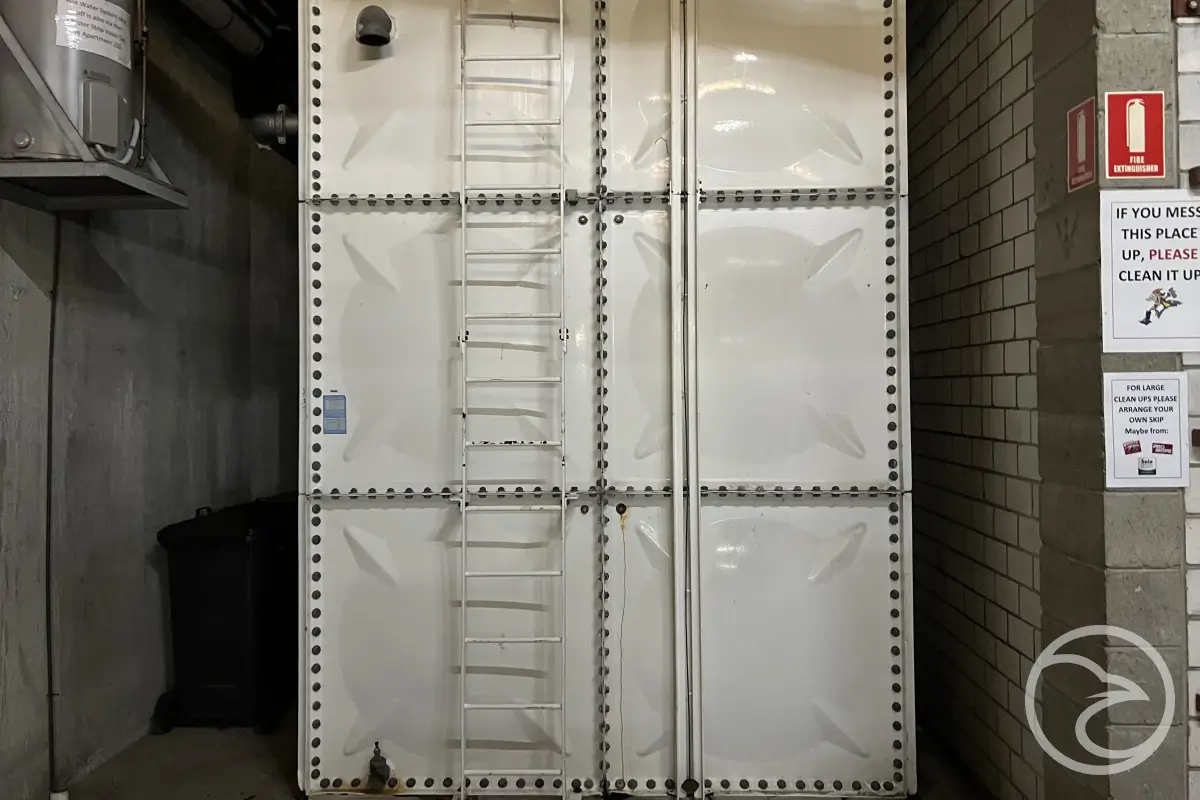
GRP water tanks are widely used throughout commercial, industrial, and municipal facilities because they offer excellent corrosion resistance, long service life, and flexible storage capacity.
Compared with many traditional storage solutions, GRP tanks require relatively little maintenance. However, this does not mean they are completely free from operational issues.
Like any water storage system, GRP tanks can develop problems over time. Environmental conditions, installation quality, water quality, and maintenance practices can all influence long-term performance.
Understanding the most common issues can help asset owners identify potential risks early and take proactive steps to maintain reliable operation.
This guide explores the most common problems found in GRP water tanks and outlines practical ways to prevent them.
Why GRP Water Tanks Experience Problems
GRP tanks are designed to provide long-term durability. Their corrosion-resistant construction helps minimise many of the issues associated with steel water storage systems.
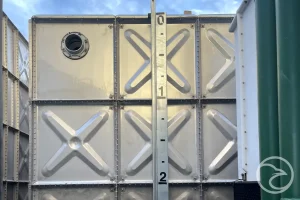
As explained in what are GRP panel tanks?, GRP tanks are manufactured using modular panels assembled on site.
While this design provides flexibility and durability, regular inspections remain important because various components can experience wear throughout the tank’s operational life.
Most issues develop gradually and can often be addressed before significant damage occurs.
Joint Deterioration
One of the most common issues found in GRP water tanks involves joint deterioration. GRP tanks are assembled using multiple panels connected through sealed joints.
Over time, these joints may experience:
- Seal ageing
- Material fatigue
- Environmental exposure
- Movement caused by thermal expansion
If left unchecked, deteriorated joints can eventually lead to leaks.
Prevention Tips
- Conduct regular visual inspections
- Monitor joints for signs of wear
- Replace ageing sealants when required
- Address minor issues before they worsen
Water Leaks
Leaks are among the most frequently reported maintenance concerns in sectional water tanks.
Leaks can develop from:
- Damaged seals
- Poor installation
- Joint deterioration
- Mechanical damage
Even small leaks should be investigated promptly. Water loss can increase operating costs and may indicate underlying structural concerns.
Prevention Tips
- Include leak checks in inspection programs
- Inspect around panel connections
- Monitor water levels for unexplained changes
- Repair damaged seals promptly
Structural Movement
Although GRP tanks are strong and durable, structural movement can sometimes occur.
This issue may be linked to:
- Foundation settlement
- Improper installation
- Uneven loading
- Environmental factors
Movement can place stress on panels, joints, and support systems.
Prevention Tips
- Inspect foundations regularly
- Monitor for panel distortion
- Review drainage conditions around the tank
- Address settlement issues early
Damage to Internal Supports
Many larger GRP tanks contain internal support systems that help maintain structural stability.
Over time, these components may experience:
- Mechanical wear
- Loosening connections
- Structural stress
Failure to identify support-related issues can affect overall tank performance.
Prevention Tips
- Schedule periodic internal inspections
- Review support condition during maintenance activities
- Replace damaged components as necessary
Sediment Accumulation
Sediment buildup is a common issue in many water storage systems.
Particles can enter tanks through:
- Incoming water supplies
- Dust contamination
- Environmental exposure
Over time, sediment can accumulate at the bottom of the tank. Excessive buildup may affect water quality and increase maintenance requirements.
Prevention Tips
- Inspect internal tank conditions regularly
- Clean tanks when necessary
- Monitor water quality
- Ensure covers and access points remain secure
Water Quality Problems
Water quality concerns are not always caused by the tank itself. External factors often contribute to water quality issues.
Potential causes include:
- Contamination
- Organic growth
- Poor maintenance practices
- Inadequate cleaning schedules
Facilities storing potable water should pay particular attention to water quality management.
Prevention Tips
- Conduct regular water quality testing
- Maintain inspection schedules
- Prevent contamination sources
- Follow cleaning recommendations
Access System Deterioration
Maintenance personnel rely on safe access systems when inspecting tanks. Over time, components such as ladders, platforms, and handrails may deteriorate.
This can create safety risks and affect maintenance activities. Australian safety requirements often emphasise the importance of maintaining safe access infrastructure.
Prevention Tips
- Inspect access systems routinely
- Repair damaged components immediately
- Verify compliance with applicable safety requirements
Roof and Cover Damage
Tank roofs play an important role in protecting stored water.
Damage to roof structures may result from:
- Weather exposure
- Impact events
- Age-related deterioration
A compromised roof can allow contaminants to enter the tank.
Prevention Tips
- Inspect roof panels regularly
- Check access covers and hatches
- Repair damaged sections promptly
Foundation Issues
The performance of a GRP tank depends heavily on its supporting foundation. Poor drainage or ground movement can affect stability.
Warning signs may include:
- Settlement
- Cracking
- Uneven support
- Drainage problems
Foundation issues should never be ignored because they can affect the entire structure.
Prevention Tips
- Inspect surrounding ground conditions
- Monitor drainage systems
- Address erosion concerns early
- Seek engineering advice if movement is detected
The Importance of Regular Inspections
Many common GRP tank problems develop gradually. Routine inspections allow organisations to identify concerns before major repairs become necessary.
Inspection programs should review:
- Joints
- Panels
- Roof structures
- Access systems
- Foundations
- Water quality indicators
A proactive maintenance approach often delivers better long-term outcomes than reactive repairs.
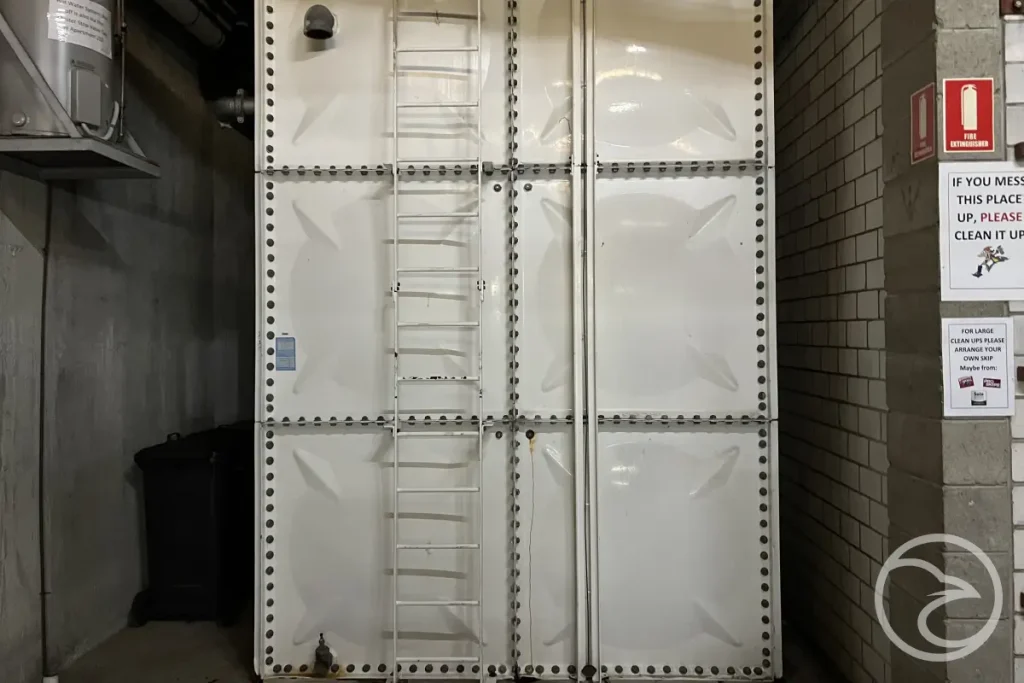
Developing a Preventive Maintenance Strategy
Preventive maintenance is one of the most effective ways to maximise tank performance.
A maintenance program should include:
- Scheduled inspections
- Documentation of findings
- Water quality monitoring
- Cleaning procedures
- Repair planning
Facilities that follow structured maintenance practices generally experience fewer operational disruptions.
Conclusion
GRP water tanks provide reliable and durable water storage for a wide range of applications. Their corrosion resistance and long service life make them a popular choice across commercial, industrial, and municipal sectors.
However, even high-quality GRP tanks can develop issues over time. Joint deterioration, leaks, structural movement, sediment accumulation, and water quality concerns are among the most common challenges.
Regular inspections and preventive maintenance remain the best ways to identify problems early and maintain long-term performance.
By understanding these common issues and implementing appropriate maintenance practices, asset owners can improve reliability, reduce repair costs, and extend the lifespan of their water storage systems.