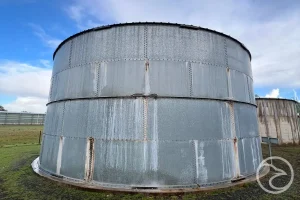
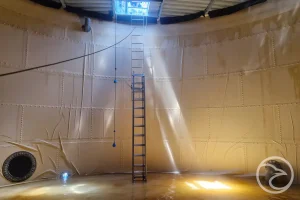
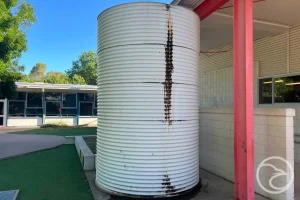
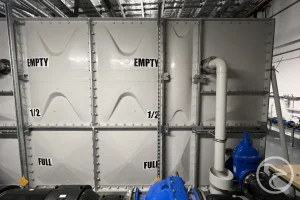
Steel tanks are widely used in industrial infrastructure, water storage systems, and various commercial applications due to their strength, adaptability, and durability. However, long-term performance depends not only on material selection but also on proper structural design. Engineering considerations such as load distribution, environmental exposure, corrosion protection, and fabrication standards play a crucial role in maintaining structural integrity.
Understanding structural design principles for steel tanks helps explain how engineering decisions influence durability, reliability, and overall lifespan.
Material Selection and Structural Strength
Material choice is one of the most important aspects of steel tank design. Different grades of steel offer varying strength, flexibility, and resistance to environmental stress. Engineers evaluate factors such as load requirements, storage conditions, and operating environments when selecting materials.
High-quality steel combined with appropriate thickness and reinforcement helps ensure tanks maintain stability under pressure, temperature fluctuations, and environmental exposure. Material selection directly affects both performance and longevity.
Load Distribution and Structural Stability
Steel tanks must withstand several types of loads, including liquid pressure, external forces, wind exposure, and temperature changes. Proper load distribution is essential to prevent structural deformation or failure.
Engineering design often incorporates:
- Reinforcement rings or stiffeners
- Balanced wall thickness
- Foundation support considerations
- Structural bracing systems
These features help maintain tank shape and prevent stress concentrations that could lead to long-term deterioration.
Corrosion Protection Considerations
Corrosion is a major factor affecting steel tank lifespan. Structural design often integrates corrosion protection strategies such as protective coatings, surface treatments, and environmental exposure mitigation.
Protective coatings act as barriers against moisture, chemicals, and pollutants. Proper drainage, ventilation, and environmental monitoring also support corrosion prevention. Engineering design considers these factors early to help maintain structural integrity over time.

Environmental and Operational Factors
Environmental conditions significantly influence structural design decisions. Outdoor tanks may face wind loads, temperature fluctuations, UV exposure, and humidity, while industrial environments can introduce chemical exposure or mechanical stress.
Design strategies often include:
- Flexible joints for thermal expansion
- Weather-resistant coatings
- Structural reinforcements for wind resistance
- Adequate ventilation and drainage systems
These considerations help ensure safe and reliable operation under varying conditions.
Inspection and Maintenance Accessibility
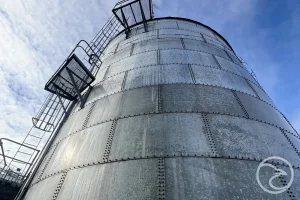
Another important structural design principle is accessibility for inspection and maintenance. Tanks designed with inspection points, access platforms, and monitoring features allow easier evaluation of structural condition.
Regular inspections help identify early signs of wear, corrosion, or structural stress. Maintenance accessibility supports long-term durability and operational safety.
Understanding the performance of steel storage tank systems can provide useful context when evaluating structural durability and engineering design factors.
Conclusion
Structural design principles for steel tanks play a critical role in durability, safety, and long-term performance. Material selection, load distribution, corrosion protection, and environmental considerations all contribute to structural integrity.
Understanding these engineering factors helps explain how properly designed steel tanks achieve reliable performance across industrial, infrastructure, and storage applications.