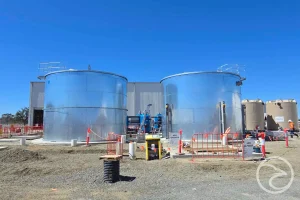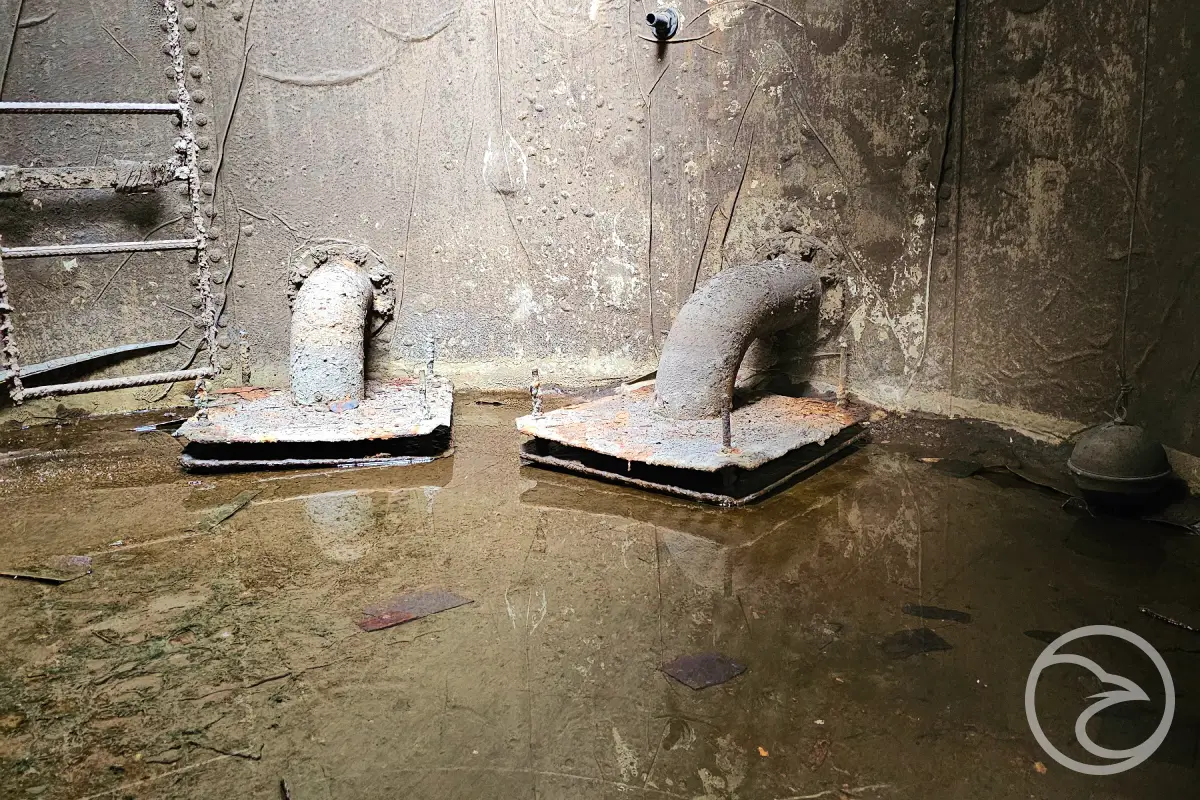
Sediment accumulation is one of the most common issues affecting water storage systems in industrial, commercial, and fire protection environments. While it develops slowly, sediment buildup can significantly reduce system performance, impact water quality, increase operational costs, and shorten the lifespan of the tank. Understanding how sediment forms and how it influences overall performance is essential for maintaining a reliable and compliant water storage system.
This article explains the main ways sediment buildup affects water tanks, why it occurs, and which system components are most at risk.
What Causes Sediment Build-Up in Water Tanks?
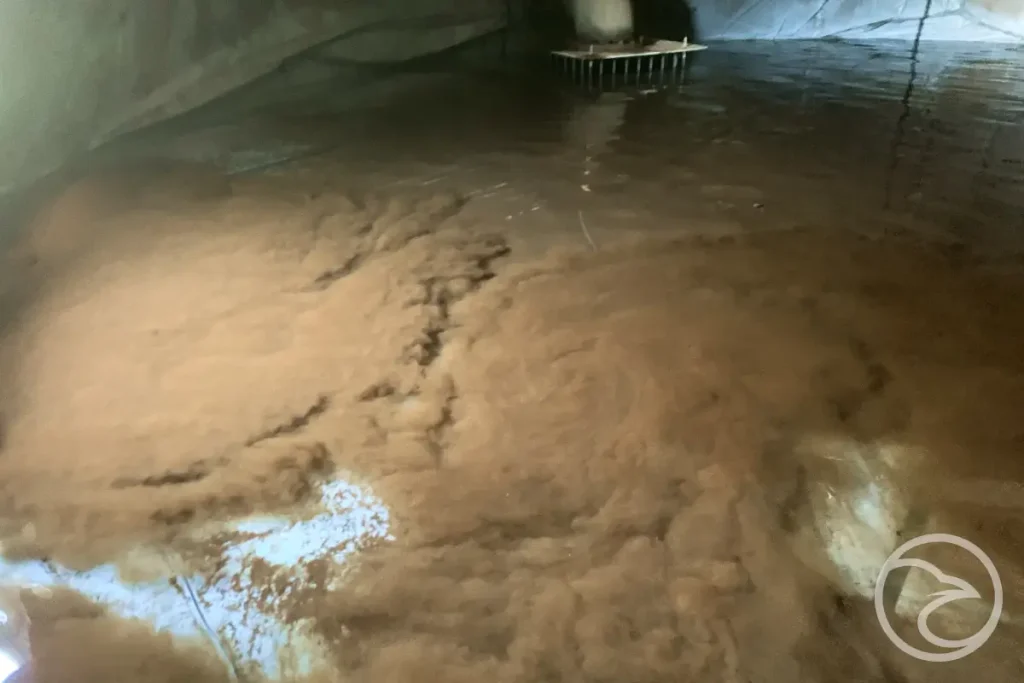
Sediment consists of natural and introduced particles that settle at the bottom of a water tank over time. Common contributors include:
- minerals present in the water supply
- rust particulates from ageing internal surfaces,
- organic matter or biological growth
- airborne debris entering through vents or damaged seals
- residue from pipework and fittings
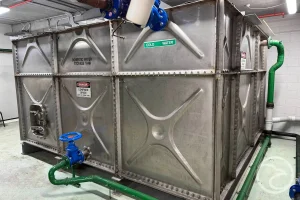
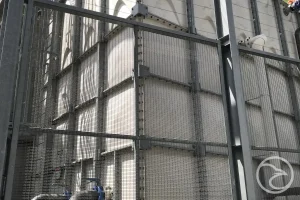
All tank types—steel, concrete, GRP, and modular panel systems—experience sediment accumulation to some extent. The rate and severity depend on water quality, system usage, tank design, and maintenance frequency.
Reduced Effective Storage Capacity
As sediment settles at the bottom of the tank, it gradually reduces the usable storage volume. This creates several operational challenges:
- less water is available during peak demand
- the tank may refill more frequently
- pumps and connected equipment may operate under unnecessary strain
- emergency water (such as for fire protection) may be reduced
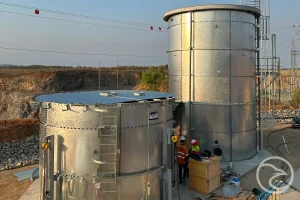
In fire tanks, even moderate sediment buildup can affect the system’s ability to maintain the required volume for safety compliance.
Impact on Water Quality
Sediment encourages conditions that negatively affect stored water:
- bacterial growth, as sediment traps nutrients and organic matter
- increased turbidity, reducing clarity
- unpleasant odours or discoloration, especially in low-turnover systems
- higher risk of contamination, because sediment can shield microorganisms from disinfectants
Over time, this can compromise both safety and operational reliability, especially in facilities relying on clean process water.
Corrosion and Structural Stress
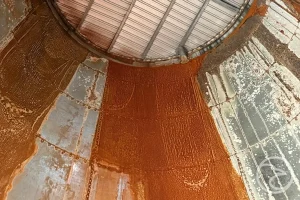
Sediment can hold moisture against the tank floor, accelerating corrosion in metal tanks. In other systems, such as concrete or GRP tanks, sediment buildup increases internal wear and contributes to structural degradation.
This leads to:
- pitting and surface deterioration
- weakening of joints or seams
- greater risk of leaks
- reduced tank lifespan
Even tanks with protective linings can experience accelerated coating wear if sediment remains undisturbed for long periods.
Reduced Pump and System Efficiency
Sediment affects the mechanical components connected to the tank:
1. Blocked or restricted inlets and outlets
Sediment near fittings can reduce flow capacity and disrupt distribution efficiency.
2. Pump strain
Pumps may work harder to overcome restricted flow, increasing energy use and mechanical wear.
3. Damage to valves and screens
Particles entering pipework can clog components, damage seals, or reduce the accuracy of flow-control devices.
4. Inaccurate level readings
Heavy sediment can interfere with level sensors, leading to false readings or irregular refill cycles.
These issues compromise system stability and may increase operating costs.
Increased Risk of Contamination Events
Sediment provides an ideal environment for microorganisms, biofilm formation, and chemical reactions. When disturbed, these materials can mix into the stored water and lead to contamination issues within the facility.
In many industrial and fire protection systems, specialised cleaning or underwater removal is required.
In cases where sediment becomes difficult to remove, facilities may rely on specialised in-tank cleaning services performed by certified technicians.
Compliance and Performance Issues
In regulated environments—such as facilities with fire protection tanks, process water storage, or potable water systems—sediment buildup can result in:
- reduced hydraulic performance
- difficulty meeting water quality standards
- non-compliance with inspection requirements
- higher risk of operational failure during an emergency
Inspection reports may identify sediment as a critical item requiring immediate corrective action.
How Sediment Build-Up Is Managed
Although sediment accumulation is unavoidable over time, it can be controlled through effective system management:
- periodic internal inspections
- scheduled sediment removal
- cleaning before heavy buildup occurs
- monitoring of water quality indicators
- reviewing tank design to improve circulation
- ensuring sealed access points and proper ventilation
Routine monitoring helps extend the life of the tank and ensures stable system performance.
Conclusion
Sediment buildup has a measurable impact on the performance, reliability, and safety of industrial and fire water storage systems. From reducing capacity and degrading water quality to increasing mechanical wear and causing compliance issues, sediment affects nearly every part of a tank’s operation. Understanding how sediment forms and the problems it creates helps facility managers take proactive steps to maintain system efficiency and preserve long-term asset health.