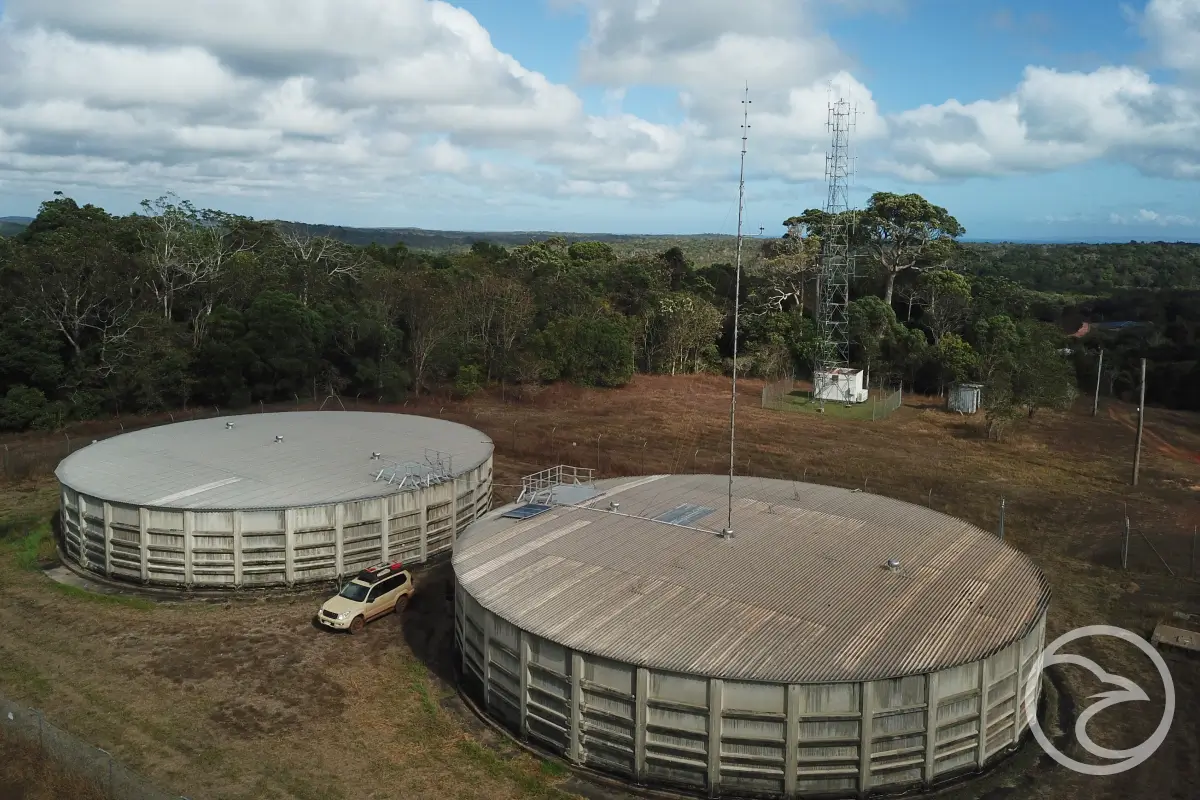
Industrial facilities depend on reliable water storage systems to support daily operations, fire protection, drinking water reserves, and long-term site resilience. As demand increases and infrastructure ages, traditional monitoring methods are no longer enough to ensure consistent performance. Manual checks, visual inspections and basic level sensors provide only partial insight. Modern facilities now require real-time visibility, early fault detection and automated reporting to minimise risks and reduce operational costs.
This is where industrial smart monitoring transforms the entire approach to water storage management. By combining sensors, digital analytics and automated alarms, smart monitoring systems provide continuous insight into tank conditions, allowing facility owners to maintain performance, prevent failures and optimise long-term operations.
1. Real-Time Visibility Improves Operational Reliability
Smart monitoring systems provide instant access to key tank data, including water levels, temperature, pressure, turnover rates and internal conditions. Instead of relying on scheduled inspections, operators receive continuous updates that highlight changes in performance.
Real-time visibility helps teams:
- prevent unexpected water shortages
- reduce the chance of tank overflows
- stabilise flow rates
- track daily consumption patterns
- monitor demand during peak usage
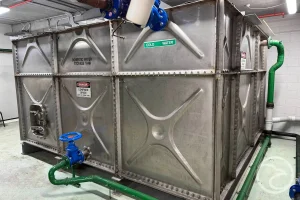
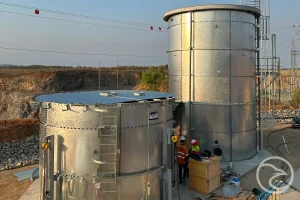
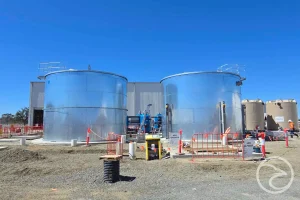
This level of insight is especially beneficial for facilities that rely on fire water tanks, where consistent water availability is essential for safety-critical infrastructure.
2. Early Detection Helps Prevent Structural Damage
One of the greatest advantages of industrial smart monitoring is the ability to detect issues early—long before they develop into structural problems. Sensors can identify subtle changes such as:
- unexpected level fluctuations
- unusual temperature changes
- abnormal pressure readings
- reduced turnover
- warning signs of internal contamination
These indicators often signal problems like leaks, valve malfunctions or sediment buildup. By acting early, facilities can prevent long-term damage and avoid costly repairs. For more complex issues, facilities can rely on professional repair and maintenance support designed for industrial applications.
3. Enhanced Safety for Critical Water Systems
In high-risk environments—such as sites storing drinking water, fire water or industrial process water—smart monitoring greatly improves safety. Automated alerts instantly notify operators when water levels drop below safe thresholds or when contamination risks rise.
This level of system intelligence helps organisations stay compliant with operational, environmental and health standards.
4. Reduced Maintenance Costs and Downtime
Manual checks and reactive maintenance are both time-consuming and expensive. Smart monitoring shifts operations to a predictive maintenance model, reducing:
- labour time
- emergency callouts
- unplanned shutdowns
- energy waste
- premature component failure
With real-time data, maintenance teams can schedule servicing based on actual performance, not guesswork. This targeted approach helps lower overall operational costs while extending the lifespan of storage assets.
5. Improved Water Efficiency and Resource Management
Smart monitoring helps facilities optimise water usage by tracking demand trends, identifying inefficiencies and reducing avoidable losses. This is especially important for industrial operations that must maintain significant water reserves or manage high turnover rates.
The system provides insight into:
- water consumption patterns
- seasonal demand changes
- abnormal usage spikes
- areas of potential waste
For facilities that rely on large fire water reserves, maintaining efficient water storage ensures the system is always ready for emergency use without unnecessary overfilling or energy-heavy pumping cycles.
6. Automated Reporting Supports Compliance
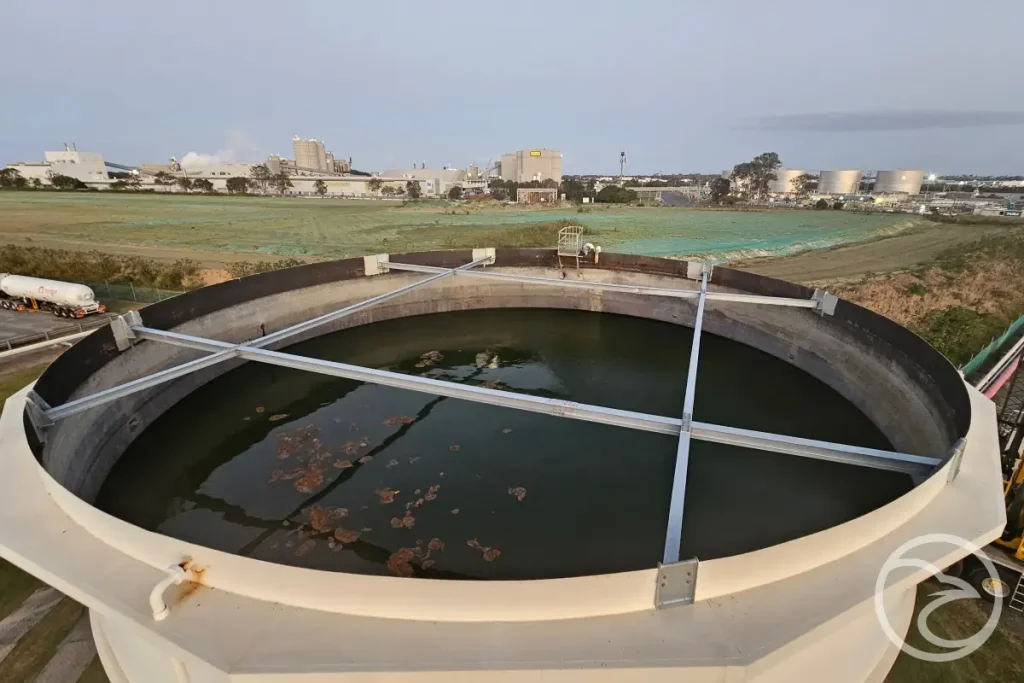
Industrial sites face strict regulatory requirements, especially when storing water for fire protection, environmental management or drinking water. Smart monitoring simplifies compliance by generating:
- performance reports
- level and turnover logs
- maintenance history summaries
- alarm and alert records
These digital records support audits, inspections and operational transparency, reducing the administrative workload for facility managers.
7. Strengthened Long-Term Asset Performance
By preventing failures, reducing manual errors and improving system oversight, smart monitoring significantly extends the lifespan of storage tanks. Facilities that implement digital monitoring experience fewer system interruptions and more predictable operating conditions, especially for large-scale fire water storage systems that must remain reliable year-round.
Final Recommendation
Industrial facilities looking to improve efficiency, reduce risk and maintain consistent performance benefit greatly from adopting industrial smart monitoring systems. With accurate data, predictive insights and automated reporting, organisations can protect their critical water assets, minimise downtime and improve operational safety.
For the most resilient results, partnering with specialists who understand industrial water requirements ensures your monitoring system delivers long-term value and reliability.