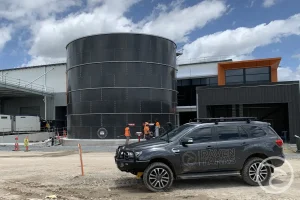
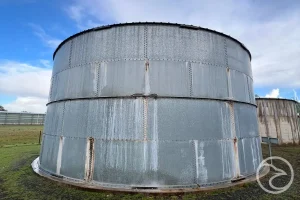
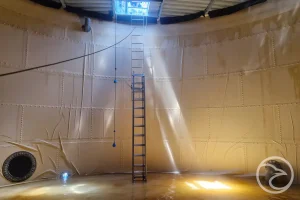
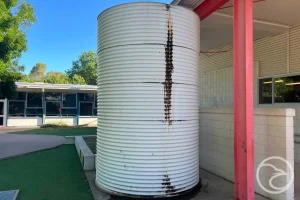
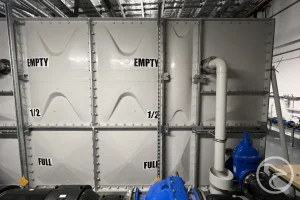
Fire reservoirs play an important role in fire protection systems by providing a reliable water supply during emergencies. These reservoirs store large volumes of water that can be used by firefighting equipment when immediate access to water is required. However, over time, contaminants such as sediment, debris, algae, and organic materials can accumulate inside these storage systems.
Without regular maintenance, these contaminants may affect water quality, reduce effective storage capacity, and potentially interfere with the performance of fire protection systems. Understanding the difference between conditions before and after fire reservoir cleaning helps illustrate why proper maintenance is essential for safe and reliable operation.
Conditions Before Cleaning
Before cleaning takes place, fire reservoirs may experience gradual contamination that often develops unnoticed. Because these systems are designed to store water for long periods, particles and debris naturally settle at the bottom over time.
Some of the most common conditions found before cleaning include:
- Sediment accumulation at the bottom of the reservoir
- Organic debris such as leaves, dust, or dirt entering through vents or openings
- Algae growth caused by sunlight exposure
- Reduced water clarity due to suspended particles
- Slime or biofilm formation along internal surfaces
Sediment buildup is particularly common in reservoirs that have not been inspected or cleaned for extended periods. As layers of sediment grow thicker, they can reduce the usable capacity of the reservoir and create conditions where bacteria or microorganisms may develop.
In addition to water quality concerns, excessive sediment may affect pump intake points. During emergency situations, this buildup could potentially interfere with the proper flow of water to firefighting equipment.
Operational Risks of Contaminated Reservoirs
When fire reservoirs accumulate contaminants, several operational risks may arise. Even if the system appears to function normally, internal conditions may gradually deteriorate over time.
Some potential risks include:
- Reduced storage capacity due to sediment layers
- Blocked intake pipes or valves from debris
- Increased bacterial growth in stagnant areas
- Surface corrosion or material deterioration
- Decreased efficiency of fire protection systems
These issues may remain hidden until an inspection reveals internal buildup. Because fire protection systems are designed for emergency use, maintaining proper reservoir conditions is critical for ensuring reliable performance.
The Cleaning Process
Cleaning a fire reservoir involves removing accumulated sediment, organic material, and other contaminants from the interior of the storage system. The process typically includes draining or isolating the reservoir, inspecting internal surfaces, and removing debris from the tank floor and walls.
During the cleaning process, technicians may also inspect structural components such as coatings, joints, and fittings. Identifying early signs of wear or damage allows facility managers to address potential problems before they develop into larger structural issues.
Professional Fire Tank Cleaning helps ensure that storage systems remain free from excessive buildup and operate efficiently as part of the fire protection infrastructure.
Accumulated contaminants can affect stored water, which is why regular reservoir cleaning procedures are essential for system reliability.
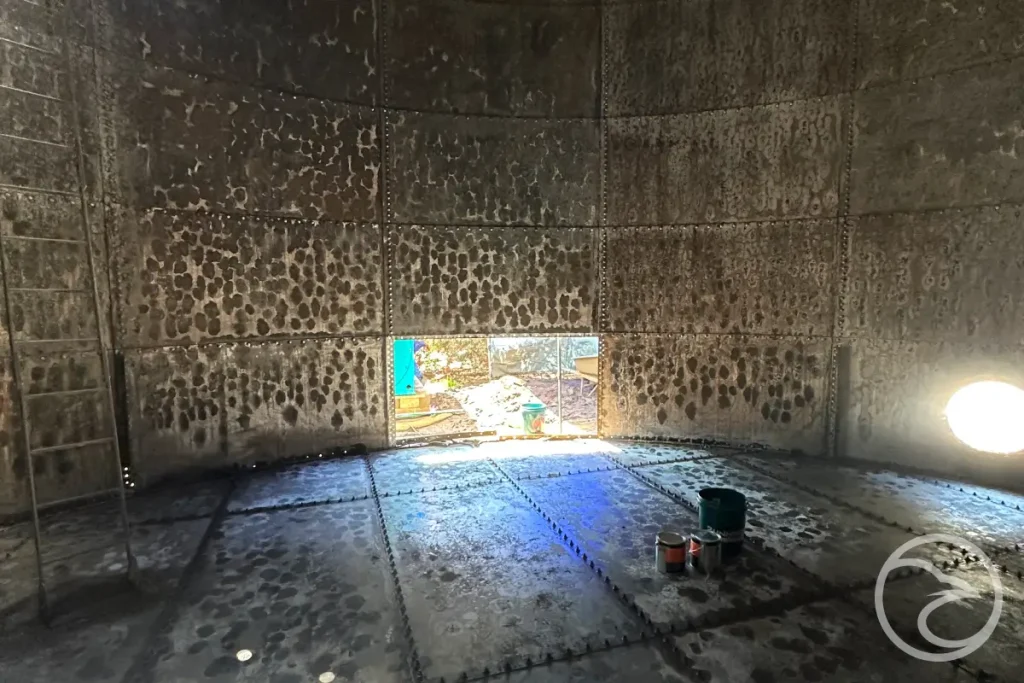
Conditions After Cleaning
Once a fire reservoir has been properly cleaned, the internal environment of the tank changes significantly. Removing sediment and contaminants improves both water quality and system performance.
After cleaning, reservoirs typically show several improvements:
- Clearer water with fewer suspended particles
- Removal of sediment layers from the tank floor
- Reduced risk of bacterial growth
- Improved accessibility to intake pipes and valves
- Restored storage capacity
These improvements help ensure that the reservoir can deliver water effectively when needed. Maintaining a clean storage environment also reduces the likelihood of long-term deterioration within the system.
The Importance of Regular Reservoir Maintenance
Fire reservoirs are often overlooked because they operate quietly in the background of fire protection systems. However, maintaining their condition is essential for ensuring system readiness during emergencies.
Regular inspections, monitoring, and maintenance help identify contamination before it becomes a serious issue. Understanding the differences before and after fire reservoir cleaning highlights the importance of proper upkeep and preventive maintenance.
By maintaining clean and well-functioning reservoirs, facility managers can help ensure that fire protection systems remain reliable, effective, and ready to perform when they are needed most.