Fire protection systems rely on reliable water supply and distribution. Fire water tanks and hydrant systems play different roles in this process.
Understanding their differences helps improve system design and performance. It also supports better decision-making for fire safety planning.
What are Fire Water Tanks?
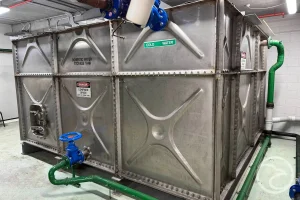
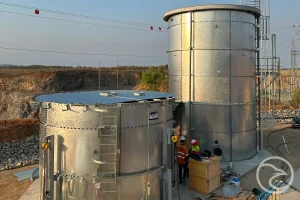
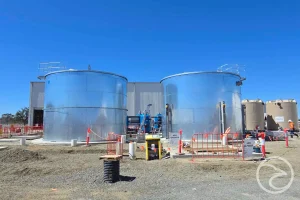
Fire water tanks store water for emergency use. They provide a dedicated and reliable water supply.
These tanks ensure water is available when needed. They are critical where mains supply is limited.
To understand system basics, see how do fire water tanks work.
What are Hydrant Systems?
Hydrant systems are used to deliver water during firefighting. They consist of pipes, valves, and hydrant outlets.
Firefighters connect hoses to hydrants to access water. These systems rely on consistent pressure and flow.
Hydrants do not store water themselves. They depend on an external supply source.
Key Difference: Storage vs Distribution
The main difference is their function. Fire water tanks store water, while hydrants distribute it. A tank ensures water availability. A hydrant system ensures water delivery.
Both systems are often used together. They form a complete fire protection solution.

How they Work Together
Fire water tanks supply water to hydrant systems. Pumps move water from the tank into the network. Hydrants then allow firefighters to access this water. This setup ensures a reliable and controlled response.
To understand capacity requirements, see how to calculate fire water tank capacity.
Installation and Design Considerations
Fire water tanks require space and structural support. They must be sized based on system demand.
Hydrant systems require pipe networks and access points. They must be designed for efficient water distribution.
Both systems must be properly integrated. Poor design can reduce overall performance.
Performance and Reliability
Fire water tanks improve system reliability. They provide water even if mains supply fails.
Hydrant systems depend on pressure and flow conditions. Without a reliable source, their performance may drop.
Together, they ensure consistent and effective fire response.
When Each System is Used
Fire water tanks are used where water supply is limited. They are common in industrial and remote locations.
Hydrant systems are used in buildings and urban areas. They provide direct access for firefighting operations.
Most fire protection systems include both components. This ensures complete coverage and functionality.
Compliance and Standards
Both systems must meet fire safety standards. These standards ensure proper operation during emergencies.
In Australia, systems often follow AS 1851. Compliance is essential for safety and legal requirements.
Choosing the Right System
Choosing between systems is not always necessary. In most cases, they are used together. The key is proper design and integration. This ensures reliable water supply and delivery.
Site conditions and risk level influence system design. Professional planning helps achieve the best results.
Final Thoughts
Fire water tanks and hydrant systems serve different roles. One stores water, while the other delivers it.
Understanding their differences improves system performance. It also supports better fire protection planning.
For a complete overview, visit fire water tanks.