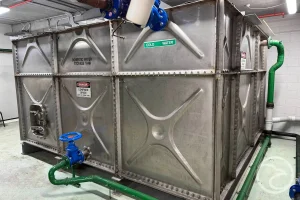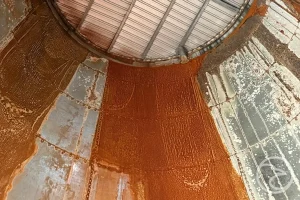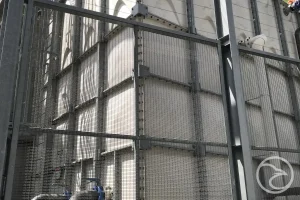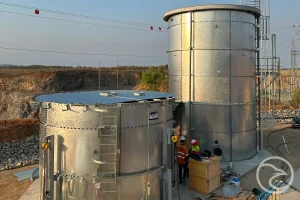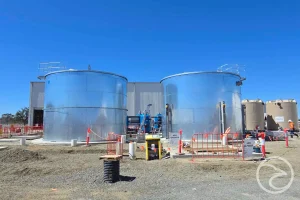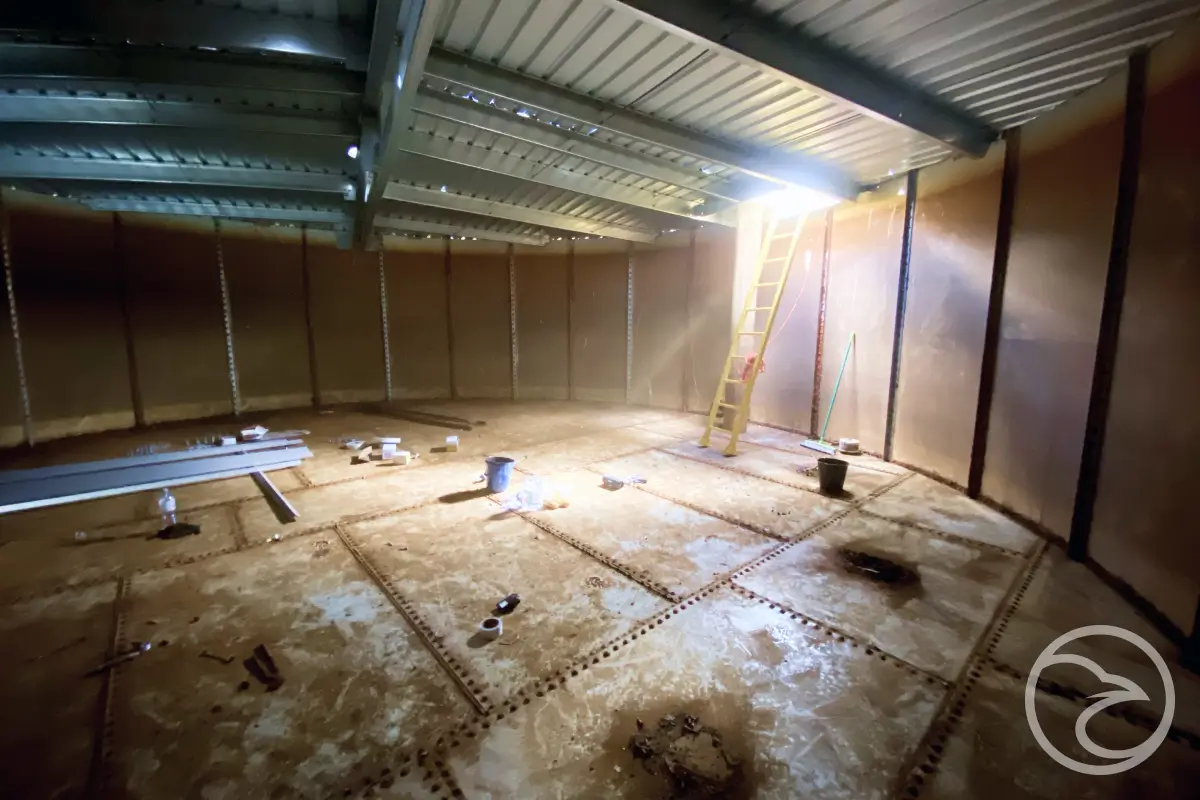
Fire tanks play a vital role in emergency water supply systems. But over time, these tanks can accumulate sediment, debris, and biological contaminants that reduce efficiency and compromise safety. That’s why routine fire water tank cleaning essential — not only for maintaining water purity but also for meeting strict AS1851 compliance standards in Australia.
Why Fire Tank Cleaning Is Essential
Even when fire water tanks are not in daily use, they must remain clean and functional at all times. Sludge buildup, microbial growth, or rust particles can clog outlets, damage pumps, or cause system failure during a fire emergency.
Key risks of dirty fire tanks:
- Reduced water flow or pressure.
- Blocked sprinkler heads or hydrants.
- Damage to fire pumps and valves.
- Non-compliance with fire safety standards.
- Health risks from stagnant or contaminated water.
Routine cleaning improves system reliability and ensures tanks are ready when lives and property are on the line.
Australian Standards for Fire Tank Cleaning
In Australia, AS1851:2012 sets the benchmark for inspection and maintenance of fire protection systems, including fire tanks. The standard requires:
- Monthly visual inspections.
- Six-monthly and yearly cleaning or internal condition assessment.
- Five-yearly detailed inspections with confined space entry.
- Proper documentation and reporting of cleaning activities.
Working with certified professionals ensures your site meets all regulatory obligations.
Our Fire Tank Cleaning Process
At Australian Fire Tanks, we offer complete cleaning solutions for steel, concrete, and panel fire water tanks. Our service includes:
- Initial Inspection – Assessment of tank condition, access points, and cleaning method selection (manual or robotic).
- Confined Space Entry Preparation – We implement strict safety protocols including gas testing, permits, ventilation, and standby rescue personnel.
- Sludge and Sediment Removal – Using submersible pumps, vacuums, and manual extraction to remove sludge without draining the entire tank (if needed).
- Surface Cleaning – High-pressure or chemical washing of tank walls, floors, and roof using food-safe agents.
- Disinfection (if potable) – Application of chlorine or approved biocides to eliminate microbial contamination.
- Final Inspection & Reporting – Detailed report, compliance documentation, and before/after photo evidence provided.

Suitable for All Types of Fire Tanks
We clean tanks in various sectors, including:
- Commercial and industrial buildings.
- Hospitals and aged care facilities.
- Government infrastructure.
- Remote mining or agricultural sites.
- Shopping centres and warehouses.
Fire Water Tank Cleaning: How Often is it Necessary?
- Visual checks: Monthly.
- Internal inspection/cleaning: At least once per year.
- Post-bushfire or contamination event: Immediately.
- If water is discoloured or smells: As soon as possible.
Proper maintenance not only ensures operational readiness but also helps extend the life of your tank.
Keep Your Fire Tank Compliant and Clean
Don’t wait for system failure or a failed inspection. At Australian Fire Tanks, we specialise in fire tank cleaning servicesthat keep your facility safe and compliant — across NSW, QLD, VIC, and beyond.
Get in touch with our team today for a free quote or to schedule your next fire tank cleaning service.