Sustainable water storage has become an important focus for infrastructure development across industries, municipalities, and environmental projects. Steel water storage systems are increasingly recognized for their durability, recyclability, and adaptability, making them a practical option for long-term water management.
Understanding sustainable steel water storage solutions helps planners and engineers design infrastructure that balances performance, environmental responsibility, and operational efficiency.
Why Sustainability Matters in Water Storage
Water storage infrastructure plays a significant role in environmental management. Efficient storage systems help reduce water waste, support conservation efforts, and ensure reliable supply during fluctuating demand. Sustainable design also considers long-term environmental impact, including material lifecycle, energy consumption, and maintenance requirements.
Steel storage systems can support sustainability goals because they are typically recyclable, durable, and adaptable to changing infrastructure needs.
Material Durability and Environmental Impact
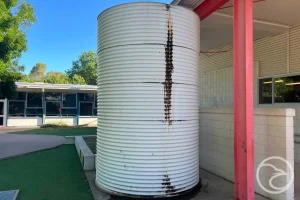
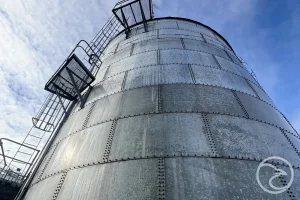
Durability is a key sustainability factor. Tanks that last longer reduce resource consumption by minimizing replacement frequency. Modern steel alloys, protective coatings, and advanced fabrication methods contribute to extended service life.
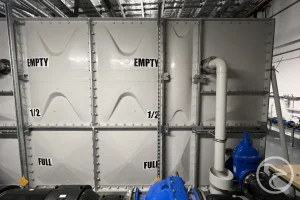
Some modern systems, including Stainless Steel Panel Tanks, are often referenced in technical discussions due to their corrosion resistance and hygienic surface characteristics. Regardless of specific material choices, long-term performance depends on proper design, installation, and maintenance practices.
Adaptability and Infrastructure Flexibility
One of the strengths of steel water storage systems is their adaptability. Modular construction allows tanks to be expanded, relocated, or modified as operational needs evolve. This flexibility reduces the need for entirely new infrastructure, supporting both economic and environmental sustainability.
Adaptable systems also help address changing climate conditions, population growth, and evolving industrial requirements.
Energy Efficiency in Manufacturing and Operation
Advancements in manufacturing technology have improved energy efficiency in steel tank production. Modern fabrication processes often require less energy and produce fewer emissions compared with older methods.
Operational efficiency is also important. Proper insulation, efficient water management practices, and optimized tank design help reduce energy consumption associated with pumping, treatment, and distribution.

Maintenance and Lifecycle Sustainability
Regular maintenance contributes directly to sustainability. Preventive inspections, cleaning, and protective coating maintenance extend tank lifespan while maintaining water quality. Early identification of corrosion or structural issues reduces environmental risks and operational disruptions.
Lifecycle planning — including eventual recycling or refurbishment — further enhances sustainability outcomes.
Environmental Compatibility and Water Quality
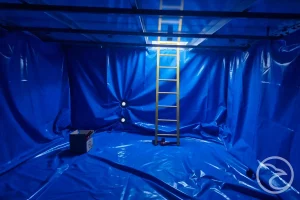
Sustainable water storage also involves protecting water quality. Well-designed tanks reduce contamination risks, support safe water storage, and minimize environmental impact. Protective linings, proper ventilation, and secure access points all contribute to maintaining water quality over time.
Environmental compatibility is especially important in regions where water conservation and environmental protection are critical priorities.
For a broader technical overview, it can be helpful to explore modern engineered water storage system solutions used across various industries.
Long-Term Sustainability Perspective
Sustainable steel water storage solutions result from a combination of durable materials, efficient design, adaptable infrastructure, and consistent maintenance. No single feature defines sustainability; rather, it is the integrated performance of these elements over time that determines environmental impact.
With careful planning, modern steel water storage systems can provide reliable, environmentally responsible storage solutions that support both operational needs and sustainability goals for decades.