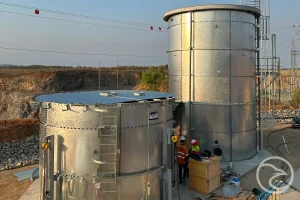
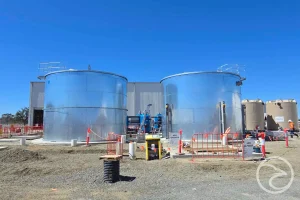
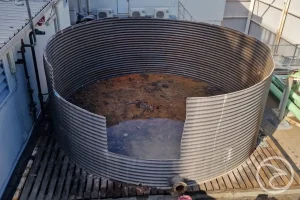
Steel storage tanks are widely used across water infrastructure, industry, agriculture, and municipal systems due to their durability and structural strength. However, corrosion remains one of the most significant challenges affecting long-term tank performance.
Understanding corrosion protection factors in steel tanks helps engineers, facility managers, and infrastructure planners maintain reliable storage systems and extend operational lifespan.
Why Corrosion Protection Matters
Corrosion can compromise structural integrity, reduce storage efficiency, and potentially affect water quality. Environmental exposure, chemical interactions, and operational conditions all contribute to corrosion risks. Effective protection strategies are essential for maintaining safety, minimizing maintenance costs, and supporting long-term infrastructure reliability.
Corrosion prevention begins during the design phase and continues through installation, operation, and maintenance.
Material Selection and Surface Treatments
The type of steel used plays a major role in corrosion resistance. Modern steel alloys often incorporate improved resistance to environmental stress. Surface treatments such as galvanization, passivation, and protective coatings further enhance durability.
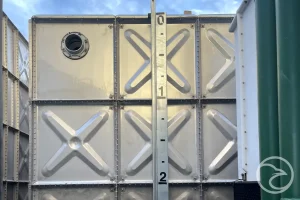
Some advanced storage systems, including Stainless Steel Panel Tanks, are frequently referenced in technical discussions due to their inherent corrosion resistance and hygienic surface properties. However, regardless of material choice, ongoing monitoring and maintenance remain essential.
Environmental Exposure Factors
Environmental conditions significantly influence corrosion rates. Tanks installed near coastal areas, industrial zones, or regions with high humidity may experience accelerated corrosion due to salt exposure, airborne pollutants, or chemical contaminants.
Temperature fluctuations can also affect protective coatings and structural materials. Expansion and contraction cycles may gradually weaken protective layers if not properly managed.
Protective Coatings and Linings
Coatings and internal linings are widely used to protect steel surfaces. Modern coating technologies offer improved durability, resistance to chemical exposure, and enhanced adhesion to metal surfaces.
Regular inspection of coatings is essential because even small areas of damage can allow corrosion to develop. Preventive maintenance helps maintain coating effectiveness over time.
Installation and Structural Design
Proper installation plays an important role in corrosion protection. Stable foundations, correct drainage, and appropriate sealing help prevent moisture accumulation around tank bases and joints.
Design features such as ventilation systems, access points for inspection, and protective roofing can also reduce environmental exposure and improve long-term durability.

Maintenance and Inspection Practices
Routine maintenance is one of the most effective corrosion prevention strategies. Typical practices include:
- Visual inspections for coating degradation
- Monitoring environmental exposure
- Cleaning sediment buildup
- Addressing minor corrosion early
Preventive maintenance reduces long-term repair costs and supports consistent tank performance.
Operational Factors Affecting Corrosion
Operational conditions also influence corrosion risk. Stored liquid characteristics, fill cycles, pressure variations, and water turnover rates all affect internal tank conditions. Maintaining stable operating parameters helps minimize stress on protective coatings and materials.
Proper documentation of maintenance and inspections supports compliance with safety standards and long-term infrastructure planning.
Long-Term Corrosion Management Perspective
Corrosion protection in steel tanks depends on a combination of material selection, environmental awareness, design quality, installation standards, and ongoing maintenance. No single factor guarantees corrosion resistance. Instead, consistent monitoring and proactive management ensure reliable performance over time.
With appropriate corrosion protection strategies, steel storage tanks can provide safe, efficient liquid storage for decades while maintaining structural integrity and operational reliability.
Additional insights can come from reviewing different modular water storage system designs and how they support long-term durability.