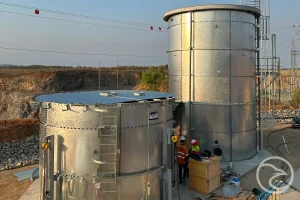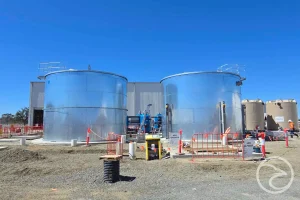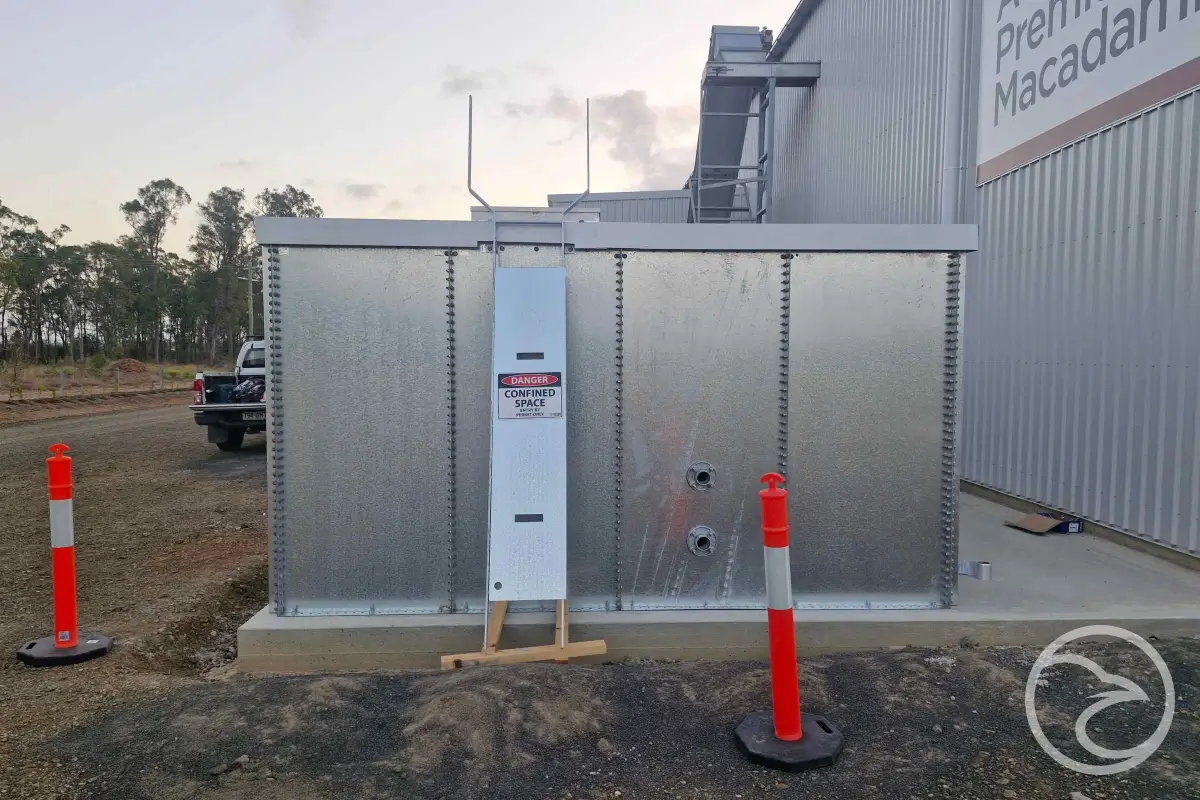
Fire protection systems depend on reliable access to water. In many commercial, industrial, and municipal facilities, a dedicated water reserve is essential for emergency response.
A fire protection system is only as effective as its water supply. If sufficient water is unavailable during an emergency, the consequences can be severe. This is why selecting the right storage solution is a critical part of fire safety planning.
Among the available options, galvanised steel tanks have become a popular choice for fire water storage. Their durability, corrosion resistance, and long service life make them suitable for a wide range of applications.
This guide explains why galvanised water tanks are widely used in fire protection systems and what factors should be considered when selecting a storage solution.
Why Fire Protection Systems Require Dedicated Water Storage
Many facilities cannot rely solely on municipal water supplies during a fire event. Water demand during emergency situations can exceed available supply capacity. In remote locations, a municipal connection may not be available at all.
Dedicated fire water storage helps ensure:
- Reliable emergency water access
- Consistent system performance
- Compliance with local regulations
- Protection of people and property
- Reduced operational risk
For these reasons, fire water storage tanks are often integrated into comprehensive fire protection strategies.
What are Galvanised Water Tanks?
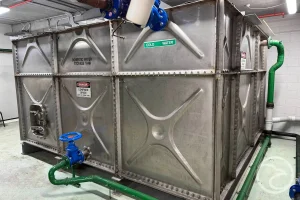
Galvanised water tanks are steel storage systems protected by a zinc coating. The zinc layer helps shield the steel from corrosion and environmental exposure. This protective barrier significantly extends the lifespan of the tank.
The effectiveness of this protection is largely due to the process known as hot dip galvanising explained, where steel components are immersed in molten zinc to create a durable metallurgical bond.
This coating system allows galvanised tanks to perform reliably in demanding outdoor environments.
Benefits of Galvanised Water Tanks for Fire Protection
Fire protection infrastructure must remain dependable for many years. Galvanised steel tanks offer several advantages that support long-term reliability.
Excellent Corrosion Resistance
Water storage systems are constantly exposed to moisture. Without proper protection, corrosion can weaken steel components and reduce service life.
The zinc coating used in galvanised tanks helps protect steel from rust and deterioration. This makes galvanised tanks particularly suitable for long-term outdoor installations.
Long Service Life
Fire protection assets are designed for long operational lifecycles. Galvanised tanks can provide decades of service when properly designed and maintained.
This longevity helps reduce replacement costs and supports long-term asset management goals.
Low Maintenance Requirements
Maintenance costs can significantly impact the total cost of ownership. Galvanised coatings require minimal ongoing maintenance compared with some alternative protection systems.
Routine inspections are still important, but major maintenance interventions are often less frequent.
High Structural Strength
Steel provides excellent structural integrity. This strength allows galvanised tanks to accommodate large storage volumes while maintaining reliability under demanding conditions.
Large-capacity tanks are often required for industrial facilities, warehouses, manufacturing plants, and infrastructure projects.
Common Applications for Fire Water Storage Tanks
Fire protection water tanks are used across many sectors.
Common applications include:
- Industrial facilities
- Manufacturing plants
- Warehouses
- Distribution centres
- Mining operations
- Agricultural sites
- Commercial developments
Each facility has unique storage requirements based on risk profiles and regulatory obligations.
Why Material Selection Matters
Choosing the right tank material is an important decision. Several factors influence long-term performance.
These include:
- Environmental conditions
- Water quality
- Storage capacity requirements
- Maintenance expectations
- Budget considerations
- Regulatory compliance
While different tank materials are available, many organisations select hot-dipped galvanised tanks because they provide a balance between durability, corrosion resistance, and cost-effectiveness.
The suitability of any storage system should always be evaluated according to project-specific requirements.
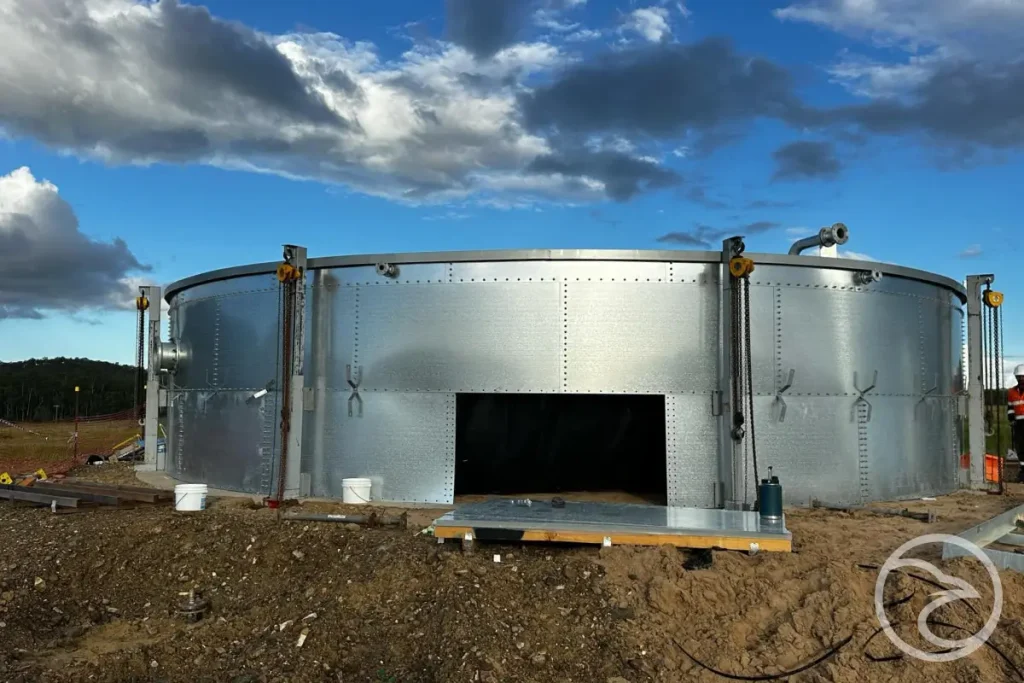
Factors to Consider When Selecting a Fire Water Tank
Selecting a fire water storage tank involves more than choosing a storage volume. Several technical considerations should be reviewed during the planning process.
Required Water Capacity
The required storage volume depends on fire protection system design.
Factors may include:
- Building size
- Occupancy type
- Hazard classification
- Fire suppression system requirements
Proper capacity calculations are essential for effective protection.
Installation Environment
Environmental conditions influence tank performance. Projects located in coastal or industrial environments may require additional design considerations.
Understanding local conditions helps support long-term reliability.
Future Expansion Requirements
Many facilities grow over time. Planning for future expansion can prevent costly upgrades later.
Scalable storage solutions may provide additional flexibility.
Inspection and Maintenance Access
Safe access for inspections should be considered during design and installation. Regular assessments help identify potential issues before they affect system performance.
Compliance Considerations
Fire protection systems are typically subject to regulatory requirements. Specific standards vary depending on jurisdiction and project type.
Compliance may involve:
- Tank design requirements
- Water storage capacity
- Inspection schedules
- Structural considerations
- Fire system integration
Project teams should consult relevant local standards and fire protection professionals during planning and design.
The Importance of Long-Term Reliability
Unlike many other infrastructure assets, fire water tanks may sit unused for extended periods. However, when an emergency occurs, immediate performance is essential. Reliability is therefore one of the most important selection criteria.
A properly designed and maintained galvanised water tank can provide dependable water storage for many years while supporting overall fire protection objectives.
Conclusion
Fire protection systems depend on reliable water storage infrastructure. Selecting the right tank can significantly influence long-term performance, maintenance requirements, and operational resilience.
Galvanised water tanks offer a combination of corrosion resistance, durability, structural strength, and cost efficiency. These characteristics make them a practical solution for a wide range of fire protection applications.
Whether used in industrial facilities, commercial developments, or critical infrastructure projects, galvanised steel tanks continue to play an important role in supporting effective fire protection strategies.