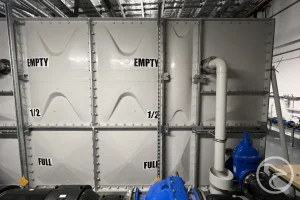
Fire water tanks play a critical role in emergency response systems. They must remain reliable at all times. Over time, however, even well-built tanks begin to show signs of wear.
Understanding when a fire tank needs refurbishment helps prevent system failures. It also supports long-term performance and safety.
Fire tank refurbishments are often required to restore structural integrity and ensure reliable long-term performance.
Why Fire Tank Condition Matters
Fire tanks are designed to store water for emergency use. If the tank fails, the consequences can be serious. This is why regular monitoring and maintenance are essential.
Environmental exposure, water quality, and usage patterns all affect tank condition. Over time, materials may degrade or lose strength. Without proper attention, small issues can develop into larger problems.
Recognizing early warning signs allows for timely action. This reduces the risk of unexpected failures.
Visible Structural Damage
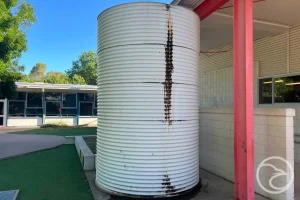
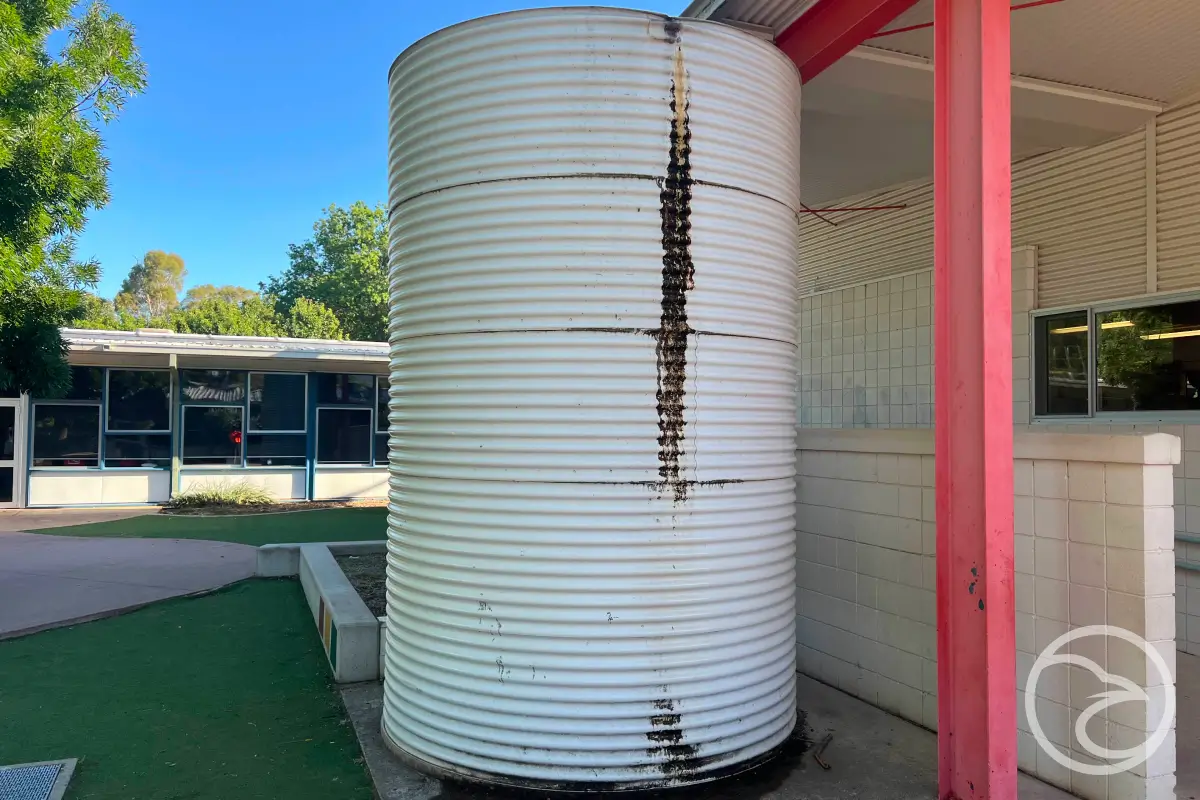
One of the most obvious signs that a fire tank needs refurbishment is visible damage. This may include cracks, corrosion, or surface deterioration.
In steel tanks, corrosion can weaken structural components. In concrete tanks, cracks may allow water leakage or contamination.
Even minor damage should not be ignored. It often indicates underlying issues that require further assessment.
Fire tank refurbishments often begin after these visible signs are identified.
Water Leakage and Seepage
Leakage is another key indicator. If water is escaping from the tank, it can affect both storage capacity and system reliability. Leaks may develop due to worn materials, damaged liners, or structural defects. In some cases, they are difficult to detect at first.
Signs of leakage include damp areas, water loss, or changes in surrounding ground conditions. Addressing leaks early helps prevent more extensive damage.
Fire tank leak detection plays an important role in identifying hidden leaks before they lead to more serious structural issues.
Internal Liner Deterioration
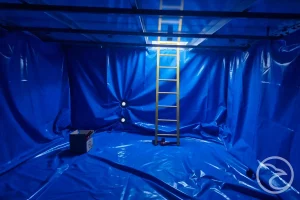
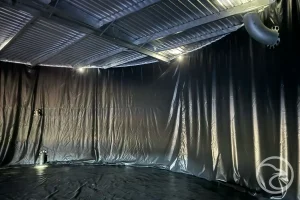
Many fire tanks use internal liners to protect the structure and maintain water quality. Over time, these liners can degrade.
Common signs include:
- Peeling or separation
- Cracks in the liner material
- Discoloration or surface wear
When liners fail, the tank becomes more vulnerable to corrosion and contamination. Fire tank refurbishments often involve repairing or replacing internal liners.
Corrosion and Material Degradation
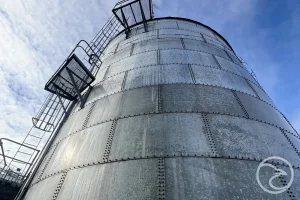
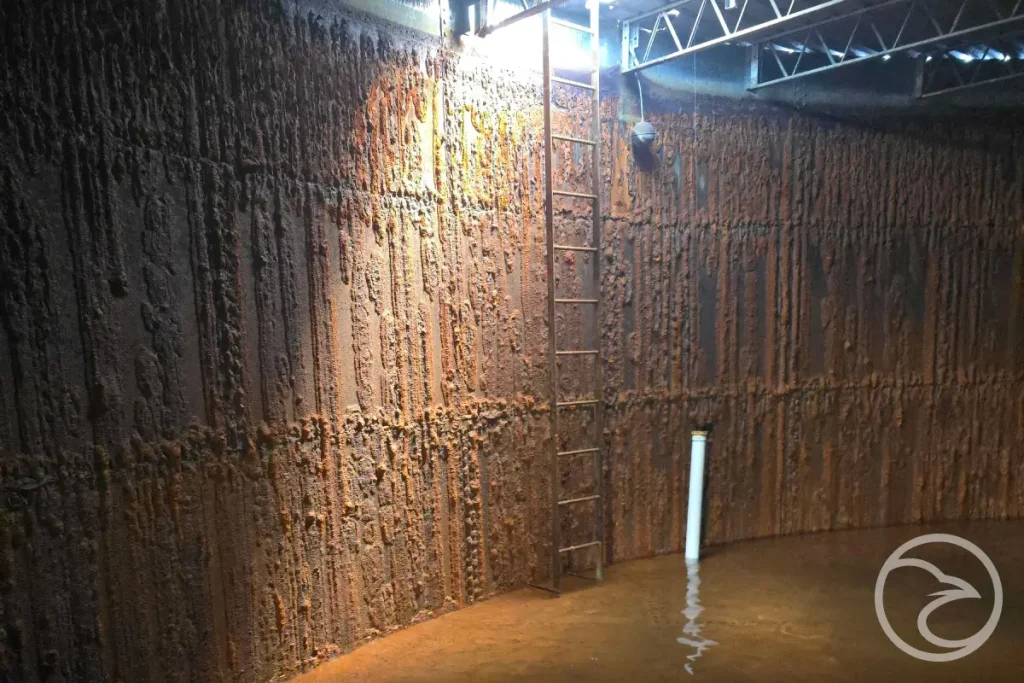
Corrosion is a major concern in metal tanks. It can reduce structural strength and lead to leaks. Factors such as moisture, oxygen, and chemical exposure accelerate corrosion. Over time, affected areas may become thinner or weakened.
Concrete tanks can also degrade. Chemical reactions and environmental conditions may affect the material.
Monitoring these changes helps determine when refurbishment is needed.
Reduced Water Quality
Changes in water quality can also signal underlying problems. This may include discoloration, unusual odor, or visible particles. These issues may be linked to internal damage or contamination. For example, a damaged liner may allow contact between water and the tank surface.
Maintaining water quality is essential for system reliability. Poor conditions may affect performance during emergencies.
Fire tank refurbishments help restore proper storage conditions.
Outdated Design or Components
Some fire tanks remain in use for many years. During this time, standards and requirements may change. Older tanks may no longer meet current expectations. This does not always mean they are unsafe, but improvements may be needed.
Upgrading components or systems can improve performance. It can also help align the tank with modern requirements.
Refurbishment provides an opportunity to make these updates.
Results of Routine Inspections
Regular inspections provide valuable information about tank condition. These inspections may include visual checks and more advanced assessments. Inspection reports often highlight areas of concern. They may also identify hidden defects that are not visible from the outside.
Based on these findings, a decision can be made about refurbishment. This approach ensures that actions are based on actual conditions.
Fire tank refurbishments are often scheduled after inspection results are reviewed.
Environmental and Operational Factors
External conditions can influence how quickly a fire tank deteriorates. Tanks exposed to harsh environments may require attention sooner.
Factors include:
- Temperature changes
- Humidity and moisture
- Chemical exposure
- Frequency of use
Operational stress can also affect the structure. Tanks that are frequently filled and emptied may experience more wear.
Understanding these factors helps in planning maintenance and refurbishment.
The Importance of Timely Refurbishment
Delaying refurbishment can increase the risk of failure. It can also lead to higher repair costs in the future. Addressing issues early helps maintain system reliability. It also extends the service life of the tank.
Timely fire tank refurbishments support safer operation. They ensure that the tank remains ready for emergency use.
Regular fire tank maintenance helps identify early signs of damage and reduces the need for major refurbishment over time.
Conclusion
Fire tanks are essential for emergency preparedness, but they require ongoing care. Over time, signs of wear and damage become more noticeable.
Visible damage, leakage, corrosion, and reduced water quality are key indicators. Inspection results and environmental factors also play a role.
Understanding when a fire tank needs refurbishment helps prevent failures and maintain performance. Fire tank refurbishments are most effective when based on regular monitoring and early detection.