Fire water storage tanks are critical components of fire protection systems, ensuring a reliable water supply in emergency situations. However, over time, these tanks can deteriorate due to corrosion, environmental exposure, and internal wear. This is where fire tank lining plays a crucial role.
Understanding what fire tank liners is and how it works can help facility managers and property owners maintain system reliability, safety, and compliance.
What is Fire Tank Lining?
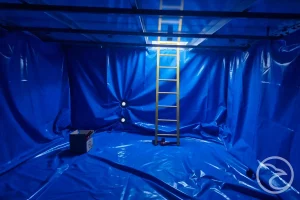
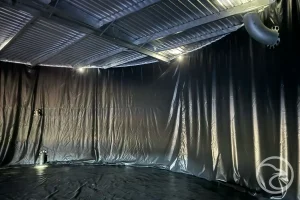
Fire tank liners is the process of applying a protective internal layer inside a fire water storage tank. This lining acts as a barrier between the stored water and the tank structure, preventing corrosion, leaks, and contamination.
The lining is typically made from durable, water-resistant materials designed to withstand constant exposure to moisture and varying environmental conditions.
By protecting the internal surface, fire tank lining helps extend the lifespan of the tank and ensures it remains functional when needed most.
Why Fire Tank Lining is Important
Without proper lining, fire tanks are vulnerable to a range of issues that can compromise their performance.
Key risks include:
- Corrosion of internal surfaces
- Water leakage and structural damage
- Contamination of stored water
- Reduced system efficiency
Fire tank lining addresses these risks by creating a protective layer that maintains both the integrity of the tank and the quality of the stored water.
Common Materials Used in Fire Tank Lining
Different materials are used depending on the tank type, application, and environmental conditions. Each offers specific advantages.
1. PVC Liners
PVC is widely used due to its flexibility, durability, and resistance to chemicals and moisture. It is a cost-effective solution for many fire water tanks.
2. Polyethylene Liners
Polyethylene liners provide strong resistance to corrosion and are suitable for a variety of storage environments. They are also lightweight and easy to install.
3. Epoxy Coatings
Epoxy linings are applied as coatings that bond directly to the tank surface. They offer excellent adhesion and are commonly used in steel tanks.
4. Reinforced Membrane Liners
These liners are designed for heavy-duty applications and provide enhanced strength and durability, especially in large industrial tanks.
Choosing the right material depends on factors such as tank size, location, and water quality requirements.
How the Fire Tank Lining Process Works
The fire tank lining process involves several steps to ensure proper installation and long-term performance.
Inspection and Assessment
Before installation, the tank is inspected to identify damage, corrosion, or structural issues. This helps determine the most suitable lining solution.
Surface Preparation
The internal surface of the tank is cleaned and prepared. This may involve removing rust, debris, or old coatings to ensure proper adhesion.
Liner Installation or Application
Depending on the material, the lining is either installed as a membrane or applied as a coating. Precision is essential to ensure a secure and leak-proof finish.
Sealing and Testing
All seams and joints are sealed, and the system is tested to confirm there are no leaks or defects.
Final Inspection
A final check ensures the lining meets safety and performance standards before the tank is returned to service.

Signs Your Fire Tank May Need Lining
Recognizing early warning signs can help prevent serious issues.
Look for:
- Visible corrosion inside the tank
- Leaks or unexplained water loss
- Discoloration or contamination
- Cracks or structural wear
If any of these issues are present, it may be time to consider fire tank lining or relining.
Benefits of Fire Tank Lining
Fire tank lining provides multiple advantages that improve both performance and longevity.
- Extended Tank Lifespan: By protecting the internal structure, lining significantly reduces wear and delays the need for replacement.
- Improved Water Quality: A proper lining prevents contamination, ensuring the stored water remains clean and safe for use.
- Reduced Maintenance Costs: With less corrosion and damage, ongoing maintenance requirements are minimized.
- Enhanced System Reliability: A well-maintained tank ensures water is available when needed, which is critical for fire protection systems.
- Compliance with Safety Standards: Proper lining helps meet industry regulations and safety requirements, reducing the risk of non-compliance.
Fire Tank Lining vs. Tank Replacement
In many cases, lining an existing tank is more cost-effective than replacing it entirely.
Lining is ideal when:
- The tank structure is still sound
- Damage is limited to internal surfaces
- Budget constraints require a cost-efficient solution
Replacement may be necessary if the tank has severe structural damage or has reached the end of its lifespan.
Final Thoughts
Fire tank liner is a vital process that protects water storage systems from corrosion, leaks, and long-term damage. By creating a durable internal barrier, it ensures that fire tanks remain reliable, efficient, and compliant with safety standards.
Understanding what fire tank lining is – and when it’s needed—can help you take a proactive approach to maintenance and avoid costly failures in the future.