Fire water reservoirs are critical components of fire protection systems, providing a reliable water supply during emergency situations. While their role is often discussed in terms of compliance and operational readiness, long-term reliability depends on regular and well-planned condition assessment. Understanding the purpose and scope of fire water reservoir condition assessment helps facility owners and asset managers make informed decisions without prematurely committing to refurbishment or replacement actions.
What is Fire Water Reservoir Condition Assessment?
Fire water reservoir condition assessment is the structured evaluation of a reservoir’s physical, structural, and operational condition over time. Rather than focusing on individual defects, assessment aims to identify patterns of degradation, emerging risks, and performance trends that may affect reliability.
This approach supports informed planning by highlighting how a reservoir is aging and how its condition aligns with current fire protection requirements. Condition assessment is not a corrective activity; it is an analytical process that informs future decision-making.
Structural Integrity and Material Condition
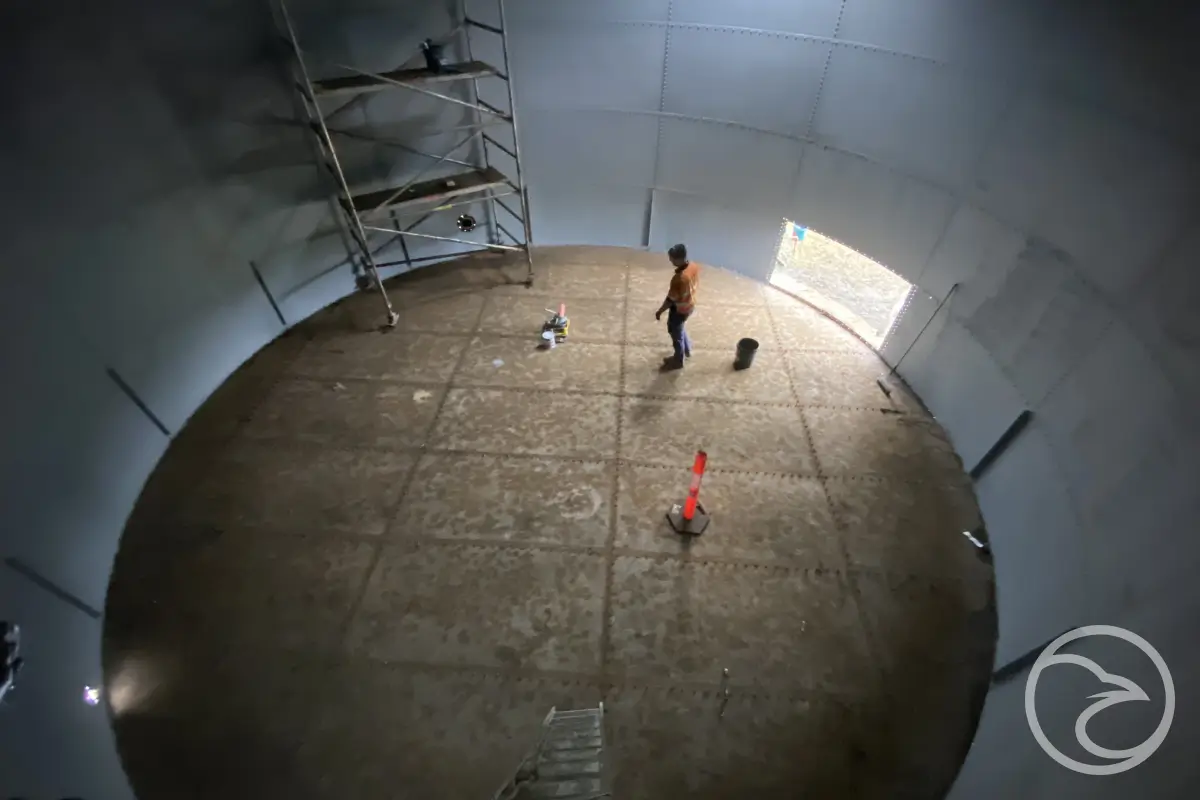
One of the primary objectives of condition assessment is evaluating structural integrity. This includes reviewing reservoir walls, base structures, joints, and internal linings where applicable. Over time, materials may degrade due to environmental exposure, water chemistry, or mechanical stress.
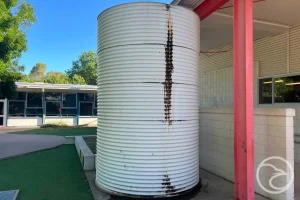
Early signs of structural deterioration can include surface wear, material thinning, cracking, or loss of protective coatings. While these indicators do not always require immediate intervention, they provide valuable insight into how the reservoir is performing relative to its expected service life.
Environmental and Operational Influences
Fire water reservoirs are exposed to a wide range of environmental conditions that can influence long-term performance. Temperature fluctuations, humidity, and external weather exposure can accelerate material fatigue. In some cases, surrounding soil conditions or foundation movement may introduce additional structural stress.
Operational factors also play a role. Reservoirs that remain static for extended periods may experience sediment accumulation or internal surface changes that affect overall condition. A comprehensive assessment considers how both environmental and operational factors interact over time.
Identifying Performance Risks
Condition assessment focuses not only on visible defects but also on potential performance risks. These risks may include reduced structural reliability, compromised water containment, or limitations that could affect system readiness during an emergency.
By identifying risks early, facility managers can prioritize monitoring and planning efforts rather than responding reactively to failures. This proactive perspective supports continuity of fire protection while reducing uncertainty around future performance.
Role of Condition Assessment in Asset Planning
Fire water reservoir condition assessment plays a key role in broader asset planning strategies. Rather than treating reservoirs as static infrastructure, assessment recognizes that condition evolves gradually and requires periodic evaluation.
Asset planning benefits from understanding how current condition aligns with expected operational demands. This allows stakeholders to plan upgrades, adjustments, or refurbishment activities at appropriate intervals, based on evidence rather than assumptions.
Importantly, assessment outcomes should be documented and reviewed over time. Comparing historical condition data provides valuable insight into degradation trends and helps refine long-term planning decisions.
In many cases, condition assessment findings are used to inform long-term fire water reservoir improvement planning, particularly where structural performance and reliability need to be addressed.

Differentiating Assessment from Action
A common misconception is that condition assessment directly leads to immediate corrective action. In practice, assessment and action are separate stages. Assessment provides information, while decisions about refurbishment or upgrades depend on broader considerations such as risk tolerance, operational priorities, and system redundancy.
Separating these stages helps avoid unnecessary interventions while ensuring that emerging issues are not overlooked. This distinction is particularly important for fire water reservoirs, where reliability must be balanced with long-term asset management objectives.
Supporting Long-Term Reliability
Consistent condition assessment supports long-term reliability by creating a clear understanding of how fire water reservoirs perform throughout their lifecycle. By identifying structural trends, environmental impacts, and performance risks, assessment enables informed planning that aligns with safety and operational goals.
As facilities evolve and fire protection requirements change, condition assessment remains a foundational element of responsible fire water reservoir management. It ensures that decisions are guided by data, context, and long-term perspective rather than reactive responses.