Fire tank systems are designed to provide a reliable water supply when emergency situations arise. While these systems are often installed and maintained according to specific requirements, their readiness can gradually decline if potential issues are not identified early. Fire tank system verification helps confirm that key components remain functional and that the system is prepared to perform as intended.
Rather than focusing on repairs or routine maintenance, verification provides a structured way to evaluate overall system condition and highlight early warning signs that may affect performance.
What is Fire Tank System Verification?
Fire tank system verification is a process used to review the condition, configuration, and operational readiness of a fire water storage system. Its purpose is to confirm that the system continues to meet functional expectations and remains capable of supporting fire protection requirements.
Unlike inspections, which are often linked to scheduled checks or standards, verification focuses on system-level readiness. It evaluates whether components work together effectively and whether any visible or operational issues could compromise performance. Verification is typically carried out as a preventive measure rather than a response to failure.
Key Aspects Reviewed During System Verification
A comprehensive fire tank system verification considers several interconnected elements. Together, these factors provide insight into overall readiness:
- Water availability and capacity, ensuring sufficient volume for fire protection needs
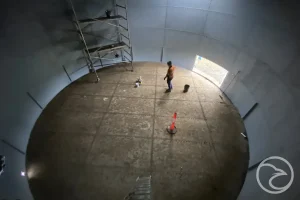
- Structural condition, including walls, base, roof, and access points
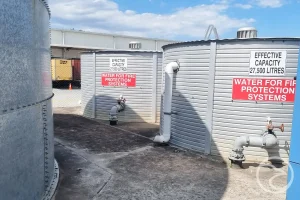
- System components and connections, such as inlet and outlet points, valves, and fittings
- Signs of leakage or material deterioration, which may indicate developing issues
- Access and safety conditions, supporting safe monitoring and assessment
Reviewing these aspects helps identify risks that may not be apparent during normal operation.
Common Issues Identified Through Verification
Fire tank system verification often reveals early-stage issues that could affect system reliability if left unaddressed. Common findings include reduced water levels, corrosion or liner degradation, restricted access, and minor structural concerns.
Environmental exposure and long-term operation without assessment can also contribute to gradual deterioration. By identifying these issues early, system owners can plan corrective actions before readiness is compromised.
Why System Readiness Depends on Verification
Fire protection systems are expected to function immediately during emergencies, leaving little tolerance for uncertainty. Verification supports readiness by confirming that systems remain aligned with operational requirements and capable of delivering water when needed.
Regular verification also contributes to long-term asset management. It helps reduce the likelihood of unexpected failures, supports informed maintenance planning, and minimizes the risk of costly downtime caused by overlooked issues.

When Fire Tank System Verification is Typically Performed
Fire tank system verification is commonly carried out in situations such as:
- After system modifications, upgrades, or configuration changes
- Following extended periods of operation without formal assessment
- Prior to scheduled inspections or performance testing
- When changes in operating conditions raise concerns about reliability
In such scenarios, relying on appropriate technical expertise supports accurate system verification and consistent performance assessment.
Conclusion
Fire system verification plays an important role in maintaining readiness and reliability. By focusing on system condition, component interaction, and early risk identification, verification helps ensure that fire water storage systems remain prepared for critical situations. Incorporating verification into ongoing system management supports proactive decision-making and reinforces confidence in fire protection infrastructure.