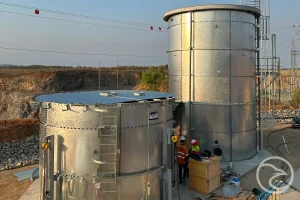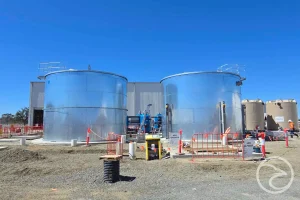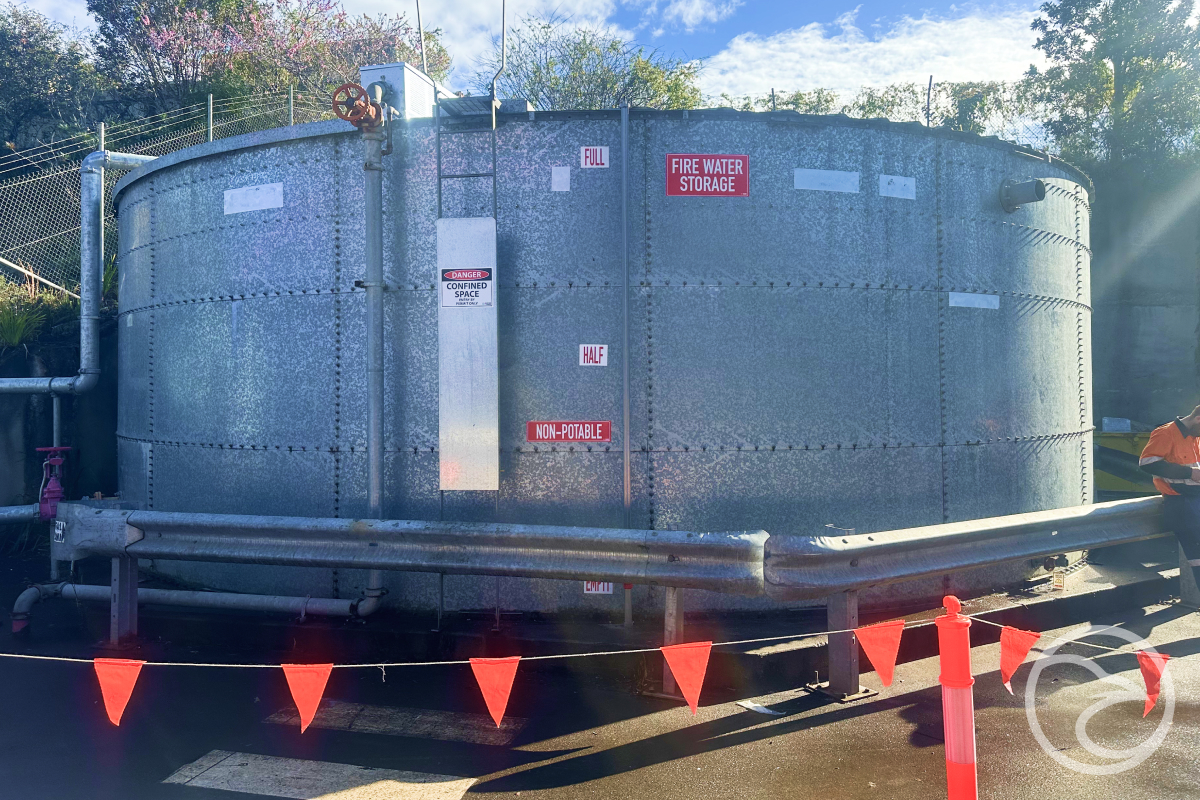
Steel is widely used in water-related infrastructure due to its strength and versatility. However, when exposed to moisture, minerals, and fluctuating temperatures, unprotected steel is vulnerable to corrosion. Corrosion protection zinc coating methods play a critical role in extending the service life of steel components used in water storage and industrial environments.
Rather than focusing on specific products, this article explains how zinc coatings protect steel, how the process works, and why it remains a reliable corrosion protection approach across many applications.
How Zinc Coating Protects Steel From Corrosion
Zinc coatings protect steel using a dual-action mechanism. First, zinc forms a physical barrier that limits contact between steel and corrosive elements such as water and oxygen. Second, zinc provides sacrificial protection, meaning it corrodes preferentially if the coating is damaged, shielding the underlying steel.
This combination is what makes zinc coating particularly effective in environments where long-term exposure to moisture cannot be avoided.
Common Zinc Coating Methods
Several techniques are used to apply zinc coatings to steel, depending on performance requirements and application conditions.
Hot-dip galvanising involves immersing prepared steel into molten zinc, forming metallurgically bonded layers that offer long-term durability. Other methods include electroplating, thermal spraying, and mechanical plating. While each approach differs in coating thickness and application process, all aim to deliver consistent corrosion resistance.
Among these methods, hot-dip galvanising is often selected for demanding environments due to its uniform coverage and robust adhesion.
Barrier and Sacrificial Protection Mechanisms
The effectiveness of corrosion protection zinc coating systems lies in their ability to provide both barrier and cathodic protection. Even when minor surface damage occurs, zinc continues to protect exposed steel by corroding first.
This self-protecting behaviour is particularly valuable in applications where abrasion, handling, or environmental wear may occur over time.
Performance in Moisture-Exposed Environments
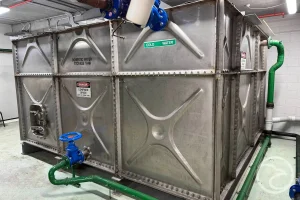
Zinc-coated steel is commonly used in settings where prolonged moisture exposure is unavoidable. In water storage infrastructure, agricultural facilities, industrial plants, and civil construction, zinc coatings help maintain structural integrity under continuous environmental stress.
Predictable corrosion behaviour allows engineers and operators to estimate service life and plan maintenance activities more effectively.
Durability and Long-Term Reliability
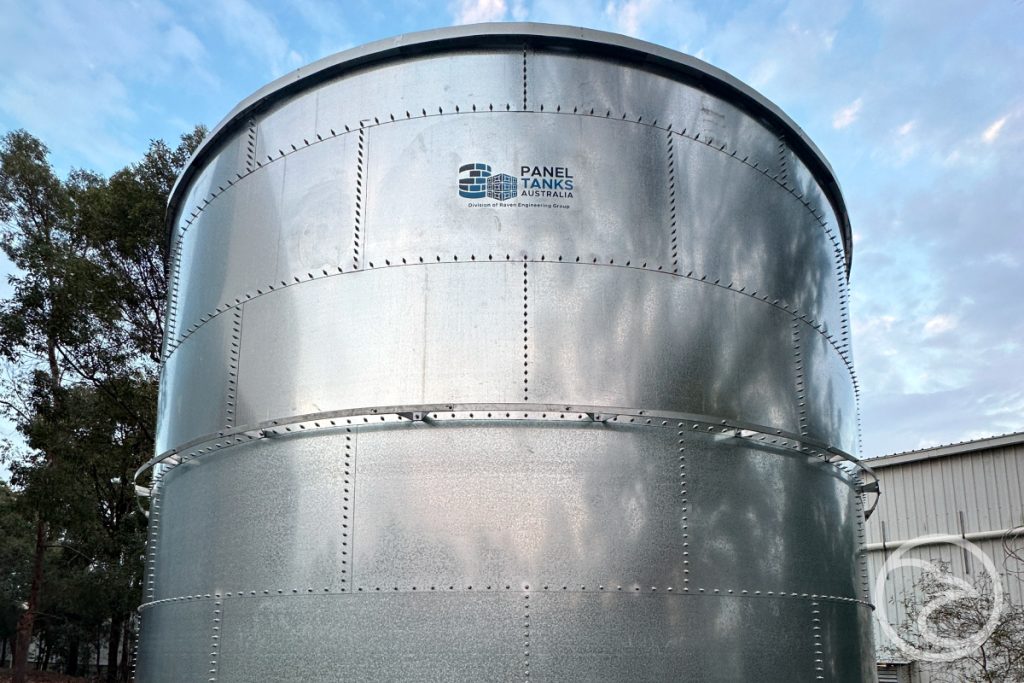
One of the advantages of zinc coating systems is their long service life. Depending on coating thickness and environmental conditions, zinc can protect steel for decades with minimal maintenance.
Because zinc forms a strong metallurgical bond with steel, the coating resists peeling, flaking, and mechanical wear better than many surface-applied protective layers.
Comparison With Other Protective Approaches
Compared to paint-based coatings, zinc offers deeper protection through metallurgical bonding rather than surface adhesion alone. While stainless steel provides excellent corrosion resistance, zinc-coated steel offers a cost-effective alternative with predictable performance in many environments.
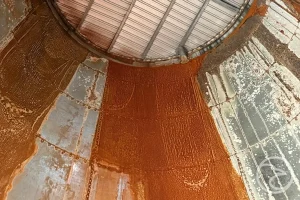
Untreated steel, by contrast, corrodes rapidly when exposed to moisture, making zinc coatings a practical and widely adopted solution for corrosion protection.
Why Zinc Coating Remains a Preferred Protection Method
The continued use of zinc coatings is driven by their proven performance, ease of application, and reliability across a wide range of industries. From water storage infrastructure to industrial facilities and civil engineering projects, corrosion protection zinc coating methods provide long-term stability where environmental exposure is unavoidable.
By combining barrier protection, sacrificial action, and strong adhesion, zinc coatings remain one of the most effective strategies for protecting steel in moisture-rich environments.
Summary
Zinc coating technology plays a vital role in protecting steel from corrosion in water-related and industrial applications. Its ability to provide both physical and sacrificial protection ensures consistent performance over extended service periods.
Understanding how zinc coatings work helps engineers and facility managers make informed decisions about corrosion protection strategies without relying on product-specific solutions.