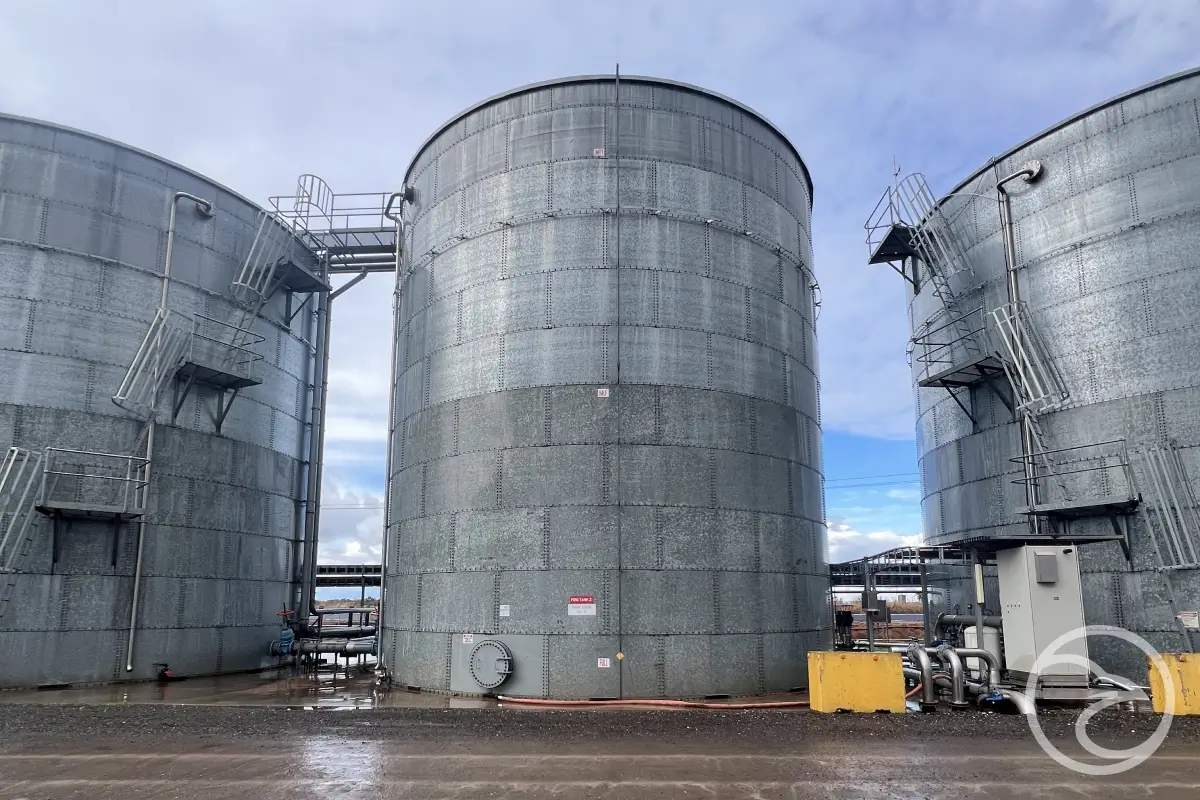
Reliable access to water is one of the most important elements in any fire protection strategy. While fire extinguishers, sprinklers, and alarms are essential tools, none of them can function effectively without a well-designed fire water supply system. These systems ensure that an adequate volume of water is available, at the right pressure and flow rate, whenever a fire emergency occurs.
Fire water supply systems are used across commercial facilities, industrial sites, agricultural operations, and public infrastructure. This article explores how these systems work, why they are critical for fire safety, and how different components contribute to a dependable water delivery network.
What are Fire Water Supply Systems?
Fire water supply systems are engineered networks designed to provide water for firefighting. They include the structures, pipes, pumps, valves, and storage units that ensure a continuous, immediate water source during an emergency.
Unlike everyday plumbing or irrigation systems, fire water supply systems are built to withstand high-demand scenarios. Their purpose is not regular water delivery but the rapid, sustained output needed to control or suppress fires.
Key objectives of these systems include:
- maintaining sufficient water volume
- holding pressure levels that support firefighting equipment
- delivering water quickly and continuously
- ensuring redundancy in case one component fails
Core Components of a Fire Water Supply System
Although system designs differ across industries and facility types, most fire water supply systems share several essential elements.
1. Water Source
Systems may rely on municipal networks, dedicated reservoirs, natural bodies of water, or engineered storage systems. The source must offer a stable and predictable water supply.
2. Water Storage
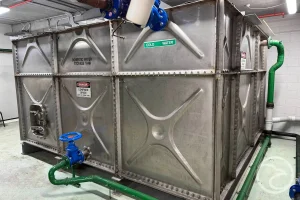
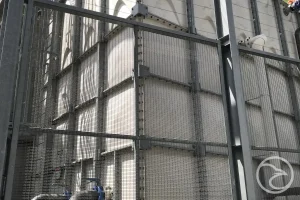
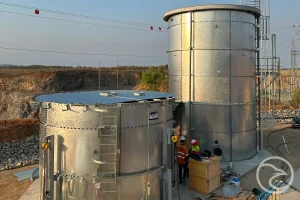
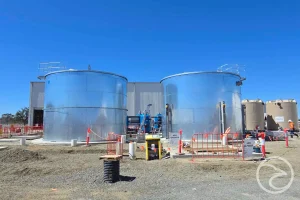
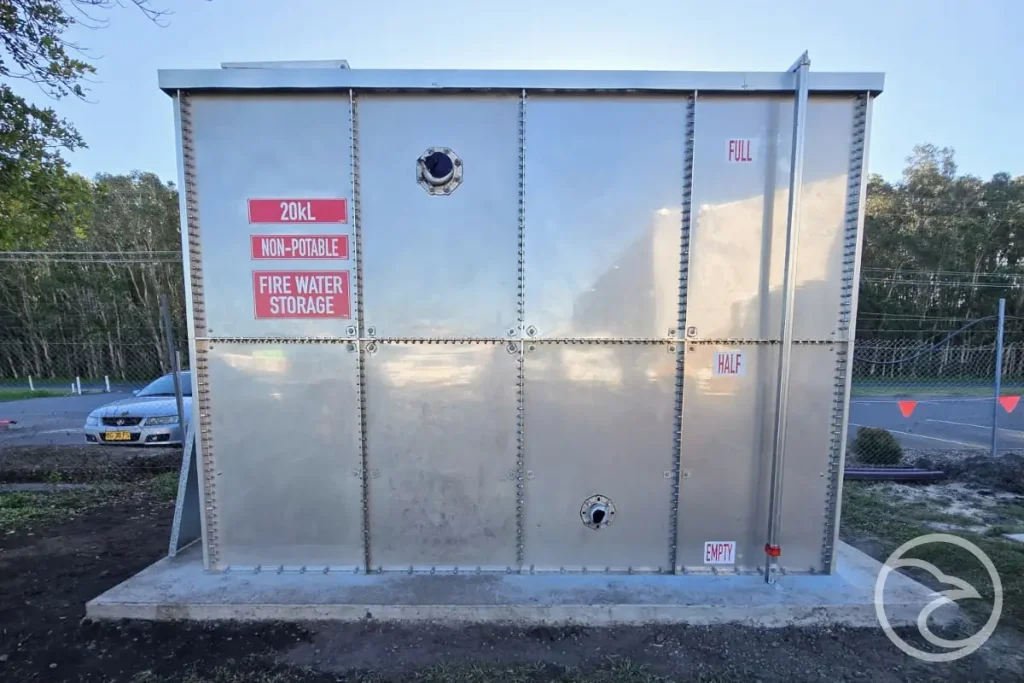
In areas with limited access to municipal water, storage units provide the backup supply needed to support hydrants, sprinklers, and hose reels. Storage capacity is determined by risk assessments and fire-flow requirements.
3. Pumps and Pumping Stations
Fire pumps maintain the pressure and flow required during high-demand conditions. They may be electrically driven, diesel-powered, or part of combined pressure-boosting systems.
4. Distribution Network
Pipes, mains, and valves deliver water from storage or the primary source to fire suppression equipment. The network must be robust enough to maintain pressure even during peak demand.
5. Output Appliances
These include hydrants, sprinkler heads, deluge systems, and hose connections. Their placement depends on building layout, occupancy type, and fire-risk profile.
How Fire Water Supply Systems Ensure Reliability
Reliability is a core requirement of any fire protection system. Fire water supply systems are engineered with multiple layers of redundancy to reduce the risk of failure during an emergency.
Key design features include:
Backup water sources
Facilities may use combined municipal and on-site storage systems to prevent supply interruption.
Multiple pumps
Using primary and secondary pumps ensures continuous performance even if one pump fails.
Pressure regulation
Systems incorporate pressure-reducing valves and control mechanisms that stabilise flow throughout the network.
Durable materials
Pipes, valves, couplings, and structural components must withstand corrosion, high pressure, and varying temperature conditions.
Clear separation from other systems
Fire water supply networks typically operate independently from domestic water or irrigation to ensure uninterrupted performance.
Where Fire Water Supply Systems are Used
Fire water supply systems are integral to many industries and facility types:
- Commercial buildings: To support hydrants, sprinklers, and roof-mounted fire suppression equipment.
- Industrial facilities: Manufacturing plants, refineries, warehouses, and processing centres depend heavily on reliable fire water delivery due to elevated fire risks.
- Agricultural operations: Systems support farm structures, fuel storage areas, and machinery sheds where fire outbreaks can spread quickly.
- Public infrastructure and utilities: Pump stations, treatment plants, and transport hubs require robust fire water systems due to their critical role in community safety.
- Remote sites: Mines, energy facilities, and regional areas often rely on dedicated on-site storage and independent water networks.
Factors that Influence System Performance
Several environmental and operational factors affect the efficiency of fire water supply systems:
- Water availability: Seasonal changes or limited supply sources may influence required storage capacity.
- Infrastructure design: The layout of the distribution network determines flow rate, response time, and coverage.
- Environmental conditions: Corrosion, sediment, and water quality variations can impact system components over time.
- Building or site layout: Height, size, and occupancy type contribute to water demand in emergencies.
Understanding these factors helps engineers design systems that perform reliably under real-world conditions.
Why Fire Water Supply Systems are Essential
Fire water supply systems ensure that firefighting operations have uninterrupted access to the water needed to protect lives, property, and critical infrastructure. Their effectiveness depends on careful planning, engineered redundancy, and thoughtful integration with other fire protection mechanisms.
By delivering consistent water volume and pressure, these systems provide the backbone for hydrants, sprinklers, and suppression equipment — making them indispensable for buildings and industrial operations across Australia.
For readers interested in how these concepts apply to broader fire water systems, you can learn more about fire water infrastructure here.