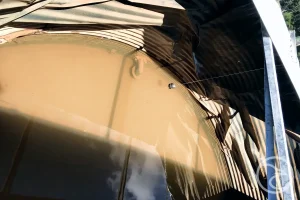
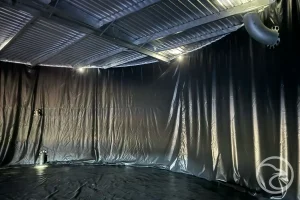
Steel tanks are widely used across industries such as water infrastructure, agriculture, manufacturing, and fire protection systems. Their durability, structural strength, and adaptability make them a reliable option for long-term liquid storage. However, steel tank longevity does not depend on a single feature. Instead, a combination of material quality, environmental conditions, engineering design, and maintenance practices determines how well a tank performs over time.
Understanding the factors influencing steel tank longevity helps facility managers, engineers, and infrastructure planners maintain safe and efficient storage systems while reducing long-term operational risks.
Material Quality and Protective Finishes
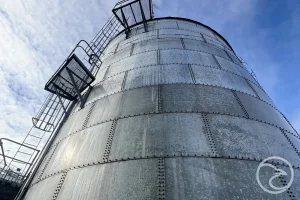
The type of steel and protective treatments used in tank construction significantly affect lifespan. Corrosion resistance is especially important for tanks exposed to moisture, chemicals, or fluctuating environmental conditions. Protective coatings, galvanization, and specialized surface treatments help reduce deterioration and maintain structural integrity.
Some modern storage systems, including Stainless Steel Tanks, are often referenced in technical discussions due to their corrosion resistance and hygienic properties. Still, even advanced materials require monitoring and maintenance to achieve their full service life.
Environmental Conditions
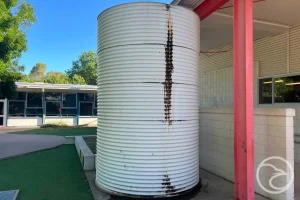
External environmental exposure is one of the most influential longevity factors. Tanks located near coastal areas, industrial zones, or regions with high humidity may experience faster corrosion or coating degradation. Airborne pollutants, salt exposure, and temperature extremes can gradually impact tank performance.
Climate variations also influence structural stability. Expansion and contraction caused by temperature changes may stress tank joints, seals, and foundations. Understanding local environmental conditions allows operators to implement suitable protective measures.
Engineering Design and Construction Quality
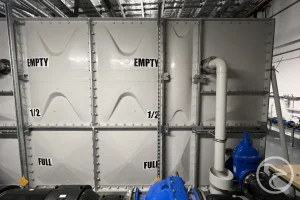
Tank design plays a critical role in long-term reliability. Proper structural calculations, reinforced connections, and well-designed access points improve durability and maintenance accessibility. Modular panel construction can support easier inspection and replacement of components compared with some traditional tank designs.
Installation quality also matters. Stable foundations, correct panel alignment, and appropriate sealing techniques reduce structural strain and help prevent premature wear.

Operational Usage Patterns
How a tank is used directly affects longevity. Frequent filling cycles, fluctuating pressure conditions, and exposure to aggressive stored liquids may accelerate wear. Maintaining stable operating conditions and avoiding overloading helps preserve structural integrity.
Water turnover rates can also influence internal conditions. Stagnant storage may lead to biological growth or sediment buildup, while consistent circulation supports system stability.
Technological Advances and Future Considerations
Modern engineering approaches increasingly focus on sustainability, durability, and lifecycle performance. Improved coatings, advanced corrosion protection systems, and smarter monitoring technologies continue to enhance tank longevity. Digital inspection tools and predictive maintenance strategies also help identify potential issues before they develop into structural problems.
These developments reflect a broader shift toward infrastructure resilience and long-term operational efficiency.
Long-Term Perspective on Tank Durability
Steel tank longevity is shaped by a combination of material selection, environmental exposure, engineering design, installation standards, and ongoing maintenance. No single factor determines durability. Instead, consistent monitoring, proper design decisions, and responsible operational practices work together to support reliable performance over time.
A wider understanding can be gained by exploring various modular water storage system configurations commonly applied in modern infrastructure.
With the right approach, steel tanks can provide safe, efficient liquid storage for decades while meeting evolving industry requirements and environmental expectations.